Introduction
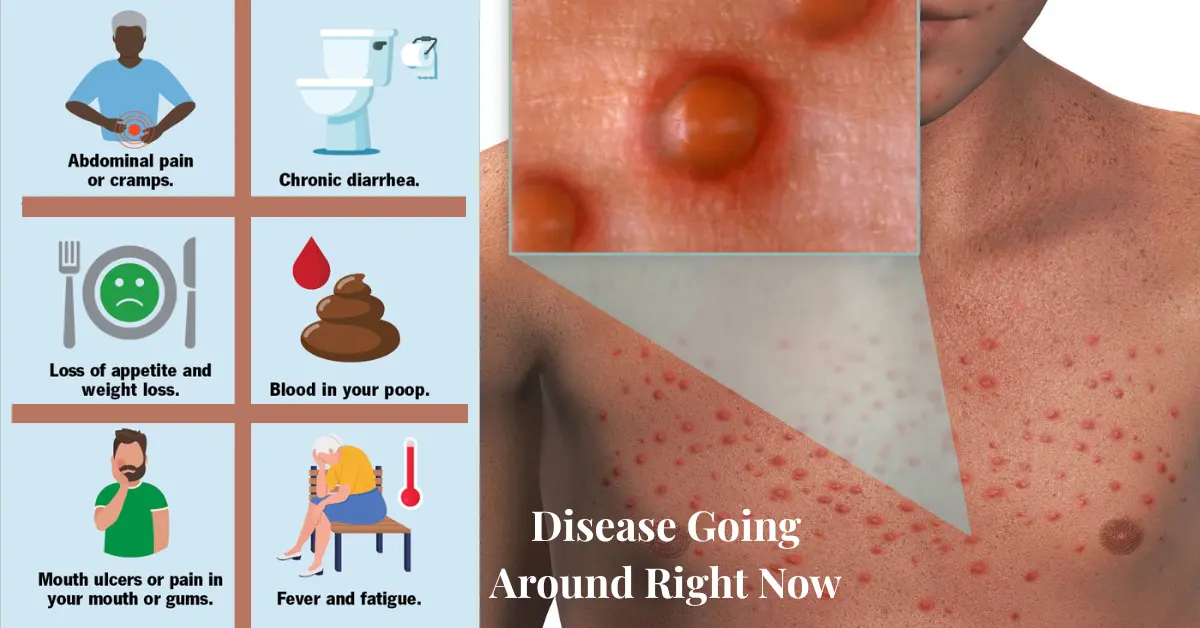
As we move through the final months of 2025, public health officials are closely monitoring a rise in current illnesses affecting communities across the globe. From seasonal viruses to more unexpected outbreaks, there’s growing concern about the disease going around right now—and how quickly it’s spreading in some areas.
Staying informed about emerging health threats is more important than ever. Understanding the early symptoms, transmission patterns, and ways to protect yourself can make a significant difference in preventing illness and reducing the spread within families, workplaces, and schools.
Currently, reports are highlighting a resurgence in respiratory infections, including a particularly aggressive flu strain, a spike in RSV cases among children, and localized outbreaks of norovirus in several countries. In some regions, health agencies are also tracking a new viral infection with flu-like symptoms that has not yet been fully identified.
Overview of the Disease Going Around Right Now
As of October 2025, several current illnesses are making headlines across different parts of the world. Health agencies like the CDC and WHO are tracking multiple viral and bacterial infections, but one particular disease going around right now is drawing special attention: a fast-spreading respiratory virus that closely mimics the flu and COVID-19 in its early stages.
Global and Local Trends
In the United States and parts of Europe, this unnamed virus has been linked to rising emergency room visits and school absences. Meanwhile, countries in Southeast Asia are reporting a spike in dengue fever cases, while some African regions are dealing with localized outbreaks of cholera following recent flooding.
In many regions, hospitals are also seeing increased admissions due to:
- A more severe flu strain (Influenza B variant)
- A rise in RSV (Respiratory Syncytial Virus), especially among children
- Cases of norovirus linked to contaminated food and water sources
What Makes This Illness Different?
The symptoms of the primary disease being reported right now include:
- Sudden high fever
- Severe fatigue
- Persistent dry cough
- Loss of appetite
- Muscle aches and headaches
Unlike typical seasonal viruses, this new strain appears to cause more rapid dehydration and can lead to complications in both healthy adults and high-risk groups.
Public health experts are urging people to stay vigilant, monitor their symptoms, and seek medical advice early—especially if they live in areas where outbreaks are active.
Symptoms to Watch Out For
Recognizing the symptoms early is one of the most effective ways to reduce the spread of the disease going around right now and protect both yourself and those around you. While many of the current illnesses share similar characteristics, health experts have identified several common warning signs to pay attention to.
Most Common Symptoms:
- High fever (often 101°F / 38.5°C or higher)
- Dry, persistent cough
- Sore throat and nasal congestion
- Headache and body aches
- Extreme fatigue or weakness
- Loss of appetite
- Occasional gastrointestinal symptoms (nausea, vomiting)
Symptoms That May Signal a More Serious Infection:
- Shortness of breath or chest pain
- Confusion or dizziness
- Dehydration (dry mouth, low urine output)
- Persistent high fever that doesn’t respond to medication
Many people initially mistake these symptoms for the common cold or seasonal flu, but the virus going around right now has shown a tendency to worsen rapidly in some cases—especially among the elderly, young children, and those with weakened immune systems.
How It Compares to Other Current Illnesses:
| Illness | Key Symptoms | Duration |
|---|---|---|
| Influenza (Flu) | Fever, chills, muscle pain, cough | 5–7 days |
| COVID-19 | Fever, fatigue, cough, loss of taste/smell | 5–10 days |
| RSV | Wheezing, coughing, runny nose | 3–8 days |
| Norovirus | Nausea, vomiting, diarrhea | 1–3 days |
If you’re experiencing any of the symptoms listed above, especially if they appear suddenly or severely, it’s important to isolate, monitor your condition closely, and consult with a healthcare provider.
Who Is Most at Risk?
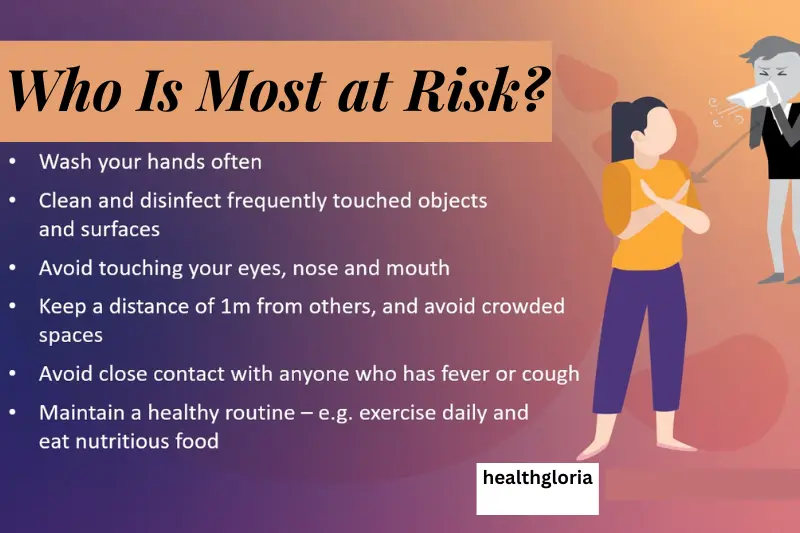
While many people recover from the disease going around right now with mild to moderate symptoms, certain groups face a higher risk of developing severe complications. Understanding who is most vulnerable helps target prevention efforts and ensure the right people get timely care.
High-Risk Groups Include:
- Older adults (age 65+) – Aging immune systems are less responsive, making it harder to fight off viral infections.
- Children under 5, especially infants – Their immune systems are still developing, and they’re more prone to dehydration.
- People with chronic health conditions – This includes individuals with asthma, diabetes, heart disease, or weakened immune systems (e.g., cancer patients or organ transplant recipients).
- Pregnant women – Immune changes during pregnancy can increase vulnerability to certain infections.
- Healthcare workers and caregivers – Due to frequent exposure to sick individuals.
High-Risk Environments:
- Schools and daycare centers – Viruses spread rapidly among children and staff.
- Nursing homes and assisted living facilities – Outbreaks can quickly affect a large number of high-risk residents.
- Public transportation and crowded indoor spaces – Close contact in poorly ventilated areas increases the risk of exposure.
Why It Matters
Targeting protective measures for high-risk individuals can significantly reduce hospitalizations and save lives. This includes promoting vaccination, encouraging early symptom recognition, and reinforcing hygiene and distancing practices in vulnerable settings.
How to Protect Yourself
With the disease going around right now spreading in many communities, taking proactive steps to protect yourself and others is essential. While no method is 100% foolproof, combining preventive actions can significantly reduce your risk of infection.
Practice Good Hygiene
- Wash your hands frequently with soap and water for at least 20 seconds, especially after being in public places or touching shared surfaces.
- Use alcohol-based hand sanitizer when soap and water aren’t available.
- Avoid touching your face, especially your eyes, nose, and mouth.
Wear a Mask in High-Risk Settings
- Use a high-quality mask (e.g., KN95 or surgical mask) in crowded indoor spaces, especially if current illnesses are spreading in your area.
- Consider masking if you’re sick, even at home, to protect family members.
Maintain Physical Distance
- Stay at least 6 feet away from people who are coughing, sneezing, or showing other visible symptoms.
- Avoid large gatherings if there’s an outbreak in your community.
Stay Up to Date on Vaccinations
- Check with your healthcare provider about seasonal flu vaccines, COVID-19 boosters, and other relevant immunizations.
- Some regions may offer vaccines for newly emerging viruses; follow guidance from local health departments.
Keep Your Environment Clean
- Regularly disinfect high-touch surfaces like doorknobs, phones, and light switches.
- Ventilate indoor spaces when possible by opening windows or using air purifiers.
Boost Your Immune System
- Get adequate sleep (7–9 hours per night)
- Eat a balanced diet rich in fruits, vegetables, and whole grains
- Stay hydrated
- Manage stress through relaxation techniques like meditation or exercise
Taking these precautions seriously not only protects you but also helps limit the spread of the virus to those who may be more vulnerable.
When to Seek Medical Attention
While many people recover from the disease going around right now with rest and basic care at home, it’s important to recognize when symptoms may indicate a more serious problem that requires professional medical attention.
Red Flag Symptoms – Don’t Ignore These:
Seek medical care immediately if you or someone you know experiences:
- Difficulty breathing or shortness of breath
- Persistent high fever (above 102°F / 39°C) that doesn’t respond to medication
- Chest pain or pressure
- Confusion, dizziness, or difficulty staying awake
- Severe dehydration (dry mouth, very low urine output, dizziness)
- Bluish lips or face (in children or adults)
These signs could indicate complications such as pneumonia, severe respiratory distress, or another secondary infection.
When to Get Help for Children:
For children, especially infants and toddlers, contact a doctor if you notice:
- Trouble breathing or rapid breathing
- Refusing to eat or drink
- Fewer than 3 wet diapers in 24 hours
- Unusual sleepiness or irritability
- Rash along with a fever
Where to Go:
- Call your doctor first for non-emergencies — many clinics offer virtual visits
- Urgent care for moderate symptoms that can’t wait
- Emergency room for life-threatening symptoms or rapid deterioration
National & Local Health Hotlines:
If you’re unsure, call your local health department or national helpline for guidance on whether to seek immediate care. Many health authorities provide 24/7 COVID-19 and general virus support lines.
What Health Authorities Are Saying
Leading health organizations and government agencies are closely monitoring the disease going around right now and providing frequent updates to help the public stay safe and informed.
World Health Organization (WHO)
The WHO has issued alerts regarding the spread of several current illnesses, including respiratory viruses, dengue outbreaks, and norovirus surges. They are working with global partners to:
- Track the transmission of emerging viruses
- Coordinate vaccine development and distribution
- Share real-time data to inform public health responses
They emphasize the importance of early symptom recognition, vaccination, and hygiene measures to limit the spread of disease.
Centers for Disease Control and Prevention (CDC)
In the U.S., the CDC has noted increased hospital visits related to respiratory illnesses, particularly among young children and the elderly. Their current guidance includes:
- Staying home when sick
- Testing for known viruses like COVID-19 and influenza
- Reporting unusual clusters of illness to local health departments
The CDC is also encouraging people to get updated flu and COVID-19 booster shots for the 2025–2026 season.
Local Health Departments
Many local and regional health authorities have set up real-time dashboards and alerts showing where cases are rising. These resources often include:
- Outbreak maps and statistics
- Testing site locations
- School or workplace safety recommendations
Trusted Sources for Updates:
Following guidance from trusted health authorities can help you make informed decisions and reduce the risk of infection in your home, workplace, or community.
Frequently Asked Questions (FAQ)
What is the disease going around right now?
As of late 2025, a highly contagious respiratory virus with flu-like symptoms is spreading in several regions, along with spikes in RSV, norovirus, and seasonal flu. Health authorities are closely monitoring its spread and encouraging prevention through hygiene and vaccination.
What are the symptoms of the current illness?
The most common symptoms include high fever, dry cough, body aches, fatigue, sore throat, and sometimes gastrointestinal issues. Severe cases may involve shortness of breath, chest pain, or confusion — especially in high-risk individuals.
Is there a new virus spreading in 2025?
Yes, in addition to recurring seasonal viruses, a newly identified respiratory virus has been reported in parts of the U.S., Europe, and Asia. It shares characteristics with influenza and COVID-19 but is still under investigation.
How is the disease spreading?
The disease going around right now is primarily spread through respiratory droplets, contaminated surfaces, and close contact with infected individuals — particularly in crowded or poorly ventilated environments.
How can I protect myself and my family?
To reduce your risk:
Wash hands frequently
Wear a mask in crowded places
Avoid close contact with sick individuals
Stay up to date with flu and COVID-19 vaccines
Monitor for symptoms and stay home if you feel sick
When should I see a doctor?
You should seek medical attention if you experience high fever, trouble breathing, severe dehydration, or if symptoms worsen suddenly. Children, elderly individuals, and people with chronic conditions should be evaluated promptly if they show signs of illness.
Conclusion
Staying informed about the disease going around right now is crucial for protecting yourself, your loved ones, and your community. With several current illnesses circulating—including a newly identified respiratory virus and seasonal infections like flu and RSV—recognizing the early symptoms and following preventive measures can make all the difference.
Remember to practice good hygiene, stay up to date on vaccinations, and seek medical care when necessary. Keeping an eye on updates from trusted health authorities such as the CDC and WHO will help you stay one step ahead of outbreaks in your area.
By staying vigilant and proactive, we can all contribute to slowing the spread of these illnesses and keeping our communities healthier throughout 2025 and beyond.