Introduction
The spine is one of the most vital structures in the human body—it provides support, stability, and flexibility while protecting the spinal cord, which connects the brain to the rest of the body. Maintaining spinal health is essential for overall well-being, mobility, and quality of life. Unfortunately, many people develop diseases of the spine at some point, often due to aging, injury, poor posture, or lifestyle factors.
Spine diseases encompass a wide range of conditions that affect the bones, discs, nerves, and surrounding tissues of the spinal column. From mild discomfort to severe pain and limited mobility, these problems can significantly impact daily activities if left untreated. Because the spine supports nearly every movement we make, even minor issues can lead to long-term complications.
The good news is that early diagnosis and proper care can prevent many spine disorders from progressing. Through regular checkups, correct posture, exercise, and timely medical intervention, individuals can maintain a healthy spine and avoid chronic pain or disability. Understanding the causes, symptoms, and treatments of spinal conditions is the first step toward lifelong spinal health.
Anatomy of the Spine
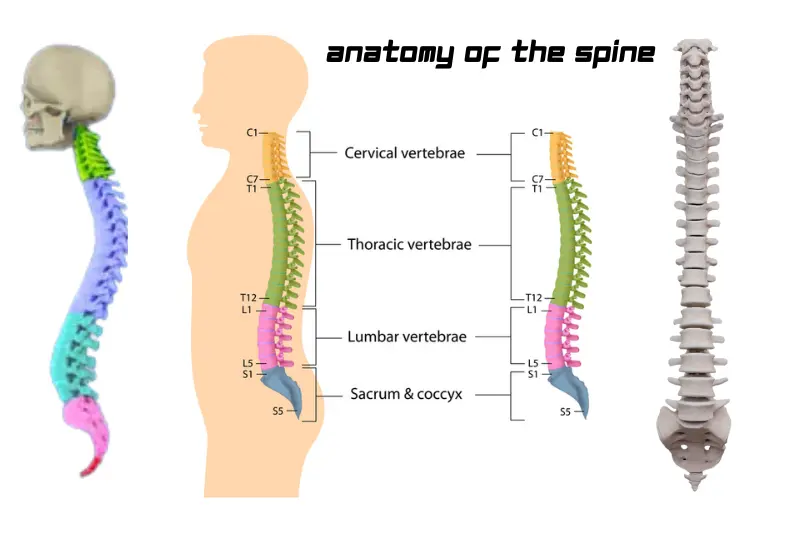
To understand diseases of the spine, it’s important to first know how the spine is structured. The human spine, also known as the vertebral column, is a remarkable framework made up of 33 small bones called vertebrae. These vertebrae are stacked one on top of another and divided into several key regions:
- Cervical spine (neck region) — supports the head and allows for flexible movement.
- Thoracic spine (mid-back) — connects to the rib cage and protects vital organs.
- Lumbar spine (lower back) — bears most of the body’s weight and is prone to wear and tear.
- Sacral and coccygeal spine — form the base of the spine and help stabilize the pelvis.
Between each vertebra lies a spinal disc, a cushion-like structure that absorbs shock and allows smooth movement. Running through the center of the vertebral column is the spinal cord, a bundle of nerves responsible for transmitting signals between the brain and body. Surrounding muscles, ligaments, and tendons provide strength, support, and flexibility.
When any of these components are damaged or degenerate over time, various spine conditions and spinal diseases can develop. For instance, the discs may bulge or rupture (as in a herniated disc), vertebrae may weaken (as in osteoporosis), or the spinal canal may narrow (as in spinal stenosis). Understanding how these structures function helps explain why back pain and other spine disorders are so common—and why maintaining spinal health is essential for a pain-free life.
Common Spinal Diseases
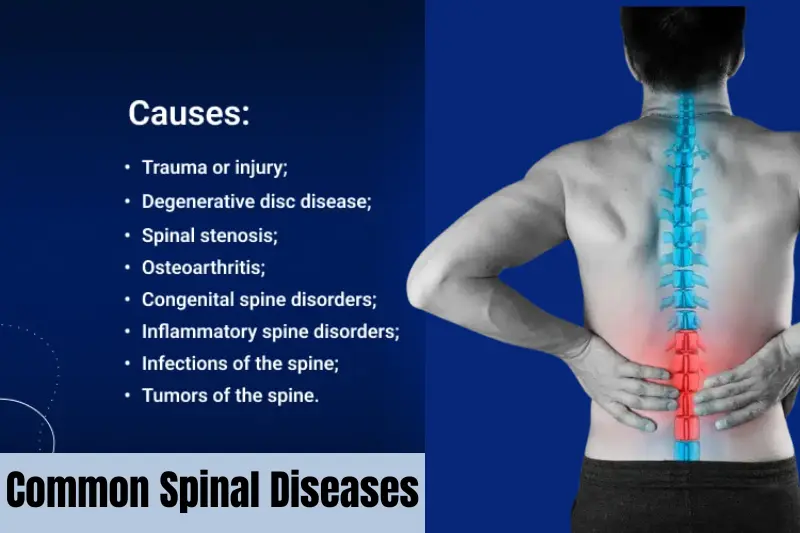
The spine is vulnerable to several disorders that can cause pain, stiffness, and mobility issues. These common spinal diseases affect people of all ages and can develop gradually or suddenly due to injury, poor posture, or underlying medical conditions. Understanding these spine disorders helps in identifying symptoms early and seeking timely treatment.
Degenerative Disc Disease
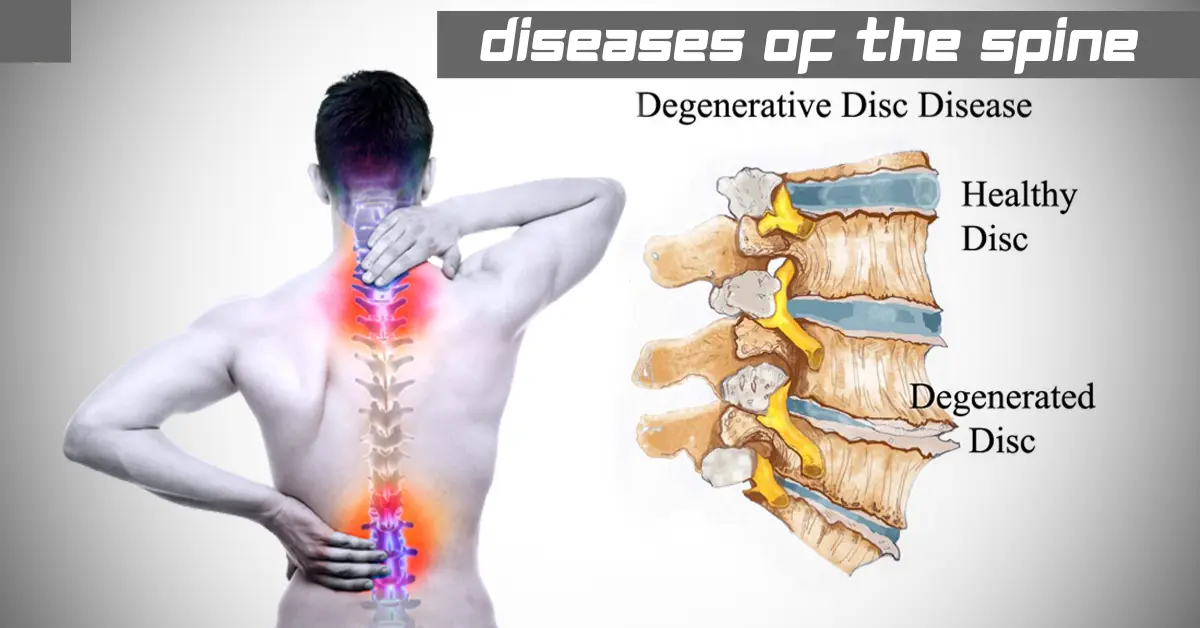
- One of the most frequent spine diseases is degenerative disc disease, a condition where the spinal discs lose flexibility and cushioning over time. As the discs dry out and shrink, friction increases between vertebrae, causing pain, numbness, or tingling.
- Causes: Aging, repetitive motion, smoking, or obesity.
- Treatment: Physical therapy, posture correction, and in advanced cases, surgical intervention.
Herniated Disc
- A herniated disc (or slipped disc) occurs when the soft inner core of a spinal disc pushes through a crack in its outer layer. This can press on nearby nerves, leading to sharp back pain, sciatica, or weakness in the limbs.
- Causes: Heavy lifting, improper posture, or natural wear and tear.
- Treatment: Rest, physiotherapy, pain management, and sometimes minimally invasive surgery.
Spinal Stenosis
- Spinal stenosis refers to the narrowing of the spinal canal, which compresses the spinal cord and nerves. It’s among the most disabling spinal diseases in older adults.
- Symptoms: Numbness, tingling, or difficulty walking.
- Treatment: Anti-inflammatory medications, exercise, and surgery for severe cases.
Scoliosis
- Scoliosis is a spine disorder characterized by an abnormal sideways curvature of the spine. It often develops during childhood or adolescence but can worsen with age.
- Causes: Genetic factors, congenital deformities, or unknown (idiopathic) causes.
- Treatment: Bracing, physiotherapy, or corrective spinal surgery.
Osteoarthritis of the Spine
- A degenerative spine condition, osteoarthritis occurs when the cartilage between spinal joints wears down, leading to stiffness and inflammation.
- Symptoms: Morning stiffness, localized pain, and reduced range of motion.
- Treatment: Pain relievers, physiotherapy, and low-impact exercise to strengthen back muscles.
These common spinal diseases can significantly affect daily life, but with proper diagnosis and management, most patients can maintain mobility and reduce pain. Early detection is key—ignoring symptoms can lead to chronic spine disorders and long-term complications.
Symptoms and Early Warning Signs
Recognizing the early signs of spine diseases is crucial for preventing long-term damage and maintaining spinal health. Many people ignore mild back pain or stiffness, assuming it’s temporary, but these symptoms can be early indicators of more serious spine disorders. Identifying these red flags early allows for timely treatment and better recovery outcomes.
Persistent Back or Neck Pain
Continuous pain in the back, neck, or shoulders may signal underlying spinal diseases such as herniated discs or degenerative conditions. Pain that worsens after activity or while resting could indicate nerve compression or inflammation.
Stiffness and Reduced Flexibility
Difficulty bending, twisting, or maintaining good posture often points to early spine conditions. Stiffness, especially in the morning, may be associated with arthritis of the spine or degenerative disc disease.
Numbness or Tingling Sensations
Tingling, burning, or numbness in the arms, legs, or fingers is a common sign of nerve involvement. When spinal nerves are compressed due to spine disorders like spinal stenosis or a slipped disc, these sensations often appear.
Muscle Weakness
Weakness in the back, arms, or legs can result from nerve compression or spinal cord irritation. In severe cases, it may lead to difficulty walking or performing daily tasks.
Balance or Coordination Problems
When spinal diseases affect nerve function, they can disrupt balance and coordination. This is particularly common in advanced stages of spinal stenosis or when the spinal cord is compressed.
Radiating Pain
Pain that travels from the back down to the legs or arms (sciatica) is another common symptom of spine diseases. This type of pain usually indicates pressure on the spinal nerves.
Diagnosis and Tests
Accurate diagnosis is the first step toward effective treatment of spinal diseases. Because many spine disorders share similar symptoms—such as pain, stiffness, and numbness—comprehensive evaluation is essential to determine the exact cause and severity of the problem.
Medical History and Physical Examination
A spine specialist begins by reviewing your medical history, lifestyle habits, and any recent injuries. During the physical exam, the doctor checks your posture, reflexes, muscle strength, and range of motion to identify signs of spine diseases such as disc degeneration or nerve compression.
X-rays
X-rays provide a clear view of the spine’s bone structure. They can reveal fractures, misalignments, or the narrowing of spaces between vertebrae—often seen in spine disorders like osteoarthritis or scoliosis.
Magnetic Resonance Imaging (MRI)
MRI scans are among the most powerful tools for detecting spinal diseases. They use magnetic fields and radio waves to produce detailed images of spinal discs, nerves, and soft tissues. This helps doctors identify conditions such as herniated discs, spinal stenosis, or tumors.
Computed Tomography (CT) Scans
CT scans provide a cross-sectional view of the spine and are often used when MRI results are unclear. They can detect subtle bone or disc abnormalities and help plan surgical procedures if needed.
Nerve Conduction Studies (Electromyography – EMG)
For spine disorders involving nerve damage, an EMG test measures how well electrical signals travel through the muscles. This helps determine whether symptoms like tingling or weakness are caused by spinal nerve compression.
Bone Scans and DEXA Tests
In cases where spinal diseases may be linked to bone loss or infection, bone scans and DEXA (bone density) tests help identify osteoporosis or other metabolic bone disorders affecting the spine.
Treatment Options
The treatment for spinal diseases depends on the type, severity, and cause of the condition. In most cases, doctors start with conservative (non-surgical) methods before considering surgery. Combining medical treatment with healthy lifestyle habits often provides the best long-term results for managing spine disorders and maintaining spinal health.
a. Non-Surgical Treatments
Non-surgical approaches are typically the first line of defense against spine conditions. These methods help relieve pain, improve mobility, and strengthen the muscles that support the spine.
- Physical Therapy: A customized exercise plan helps restore flexibility, strengthen core muscles, and correct posture.
- Medications: Pain relievers, muscle relaxants, and anti-inflammatory drugs can reduce pain and swelling caused by spinal diseases.
- Heat and Cold Therapy: Alternating between heat and cold packs can ease inflammation and stiffness.
- Lifestyle Modifications: Maintaining a healthy weight, avoiding smoking, and using ergonomic furniture can reduce stress on the spine.
- Injections: Corticosteroid injections may be recommended for severe inflammation or nerve pain.
b. Surgical Treatments
When non-surgical methods fail to provide relief, surgery may be necessary to correct structural problems or relieve nerve pressure caused by spine disorders. Modern surgical techniques are less invasive and promote faster recovery.
- Discectomy: Removal of part of a herniated disc that’s pressing on a nerve.
- Laminectomy: Removal of bone or tissue to relieve pressure in cases of spinal stenosis.
- Spinal Fusion: Joining two or more vertebrae to stabilize the spine and reduce movement-related pain.
- Artificial Disc Replacement: A modern procedure that replaces a damaged disc with an artificial one, preserving flexibility.
Surgery is usually recommended only when pain or neurological symptoms persist despite months of conservative treatment.
c. Lifestyle and Home Care
Adopting the right habits can play a major role in preventing and managing spine conditions.
- Regular Exercise: Activities like swimming, yoga, and walking help strengthen back muscles and improve flexibility.
- Good Posture: Sitting and standing with a straight back reduces strain on the spinal column.
- Proper Lifting Techniques: Always lift with your knees, not your back.
- Balanced Diet: Calcium- and vitamin D-rich foods strengthen bones and prevent spine disorders linked to osteoporosis.
- Stress Management: Chronic stress can tighten back muscles, so relaxation techniques like meditation can help.
With the right combination of medical care, physical therapy, and daily discipline, most spinal diseases can be effectively managed or even prevented. The goal is not just pain relief, but long-term spinal stability and improved quality of life.
Preventing Spine Disorders
While not all spinal diseases can be completely avoided, many spine disorders are preventable through proper posture, regular exercise, and mindful lifestyle choices. A healthy spine is essential for overall mobility and well-being — and small daily habits can make a big difference in keeping your back strong and pain-free.
Maintain Good Posture
Poor posture is one of the leading causes of spine conditions. Whether sitting at a desk, driving, or standing, keeping the spine in a neutral position reduces unnecessary pressure on discs and joints.
Tip: Use an ergonomic chair, keep your feet flat on the floor, and avoid slouching.
Strengthen Core Muscles
Your core muscles — including the abdomen and lower back — provide essential support for your spine. Strengthening these muscles helps prevent spinal diseases caused by imbalance or strain.
Tip: Engage in low-impact exercises like yoga, Pilates, or swimming to build core strength safely.
Lift Properly
Improper lifting is a common cause of spine disorders such as herniated discs.
Tip: Bend your knees, keep your back straight, and hold objects close to your body while lifting. Never twist your spine while carrying heavy loads.
Maintain a Healthy Weight
Excess body weight puts added stress on the lower back, increasing the risk of spine conditions and joint degeneration.
Tip: Combine balanced nutrition with regular exercise to reduce strain on spinal structures.
Stay Active
Sedentary lifestyles contribute to muscle weakness and spinal stiffness. Staying active helps keep the spine flexible and nourished.
Tip: Incorporate stretching, walking, or gentle aerobic exercises into your daily routine to prevent spine disorders.
Sleep Smart
Your sleeping position and mattress can affect spinal alignment.
Tip: Choose a supportive mattress and sleep on your back or side with a pillow that keeps your neck in line with your spine.
Avoid Smoking
Smoking reduces blood flow to spinal discs, accelerating degeneration and leading to spine diseases like degenerative disc disease.
Tip: Quitting smoking not only benefits your lungs and heart but also your spinal health.
Taking preventive steps today can reduce the risk of developing chronic spine disorders later in life. By maintaining a strong, flexible spine and practicing good daily habits, you can protect your back and enjoy an active, pain-free lifestyle for years to come.
When to See a Spine Specialist
Many people ignore back pain or discomfort until it becomes severe — but consulting a spine specialist early can prevent minor spine conditions from turning into serious spinal diseases. Understanding when to seek professional help is essential for effective treatment and long-term spinal health.
Persistent or Chronic Pain
If back or neck pain lasts for more than a few weeks, it’s a sign that something may be wrong. Continuous pain could indicate underlying spine disorders such as herniated discs, arthritis, or spinal stenosis.
Numbness, Tingling, or Weakness
These symptoms often point to nerve compression, which can occur in spine diseases like disc herniation or spinal stenosis. Early evaluation helps prevent nerve damage and restores normal function.
Pain Radiating to Arms or Legs
Pain that travels down the arms or legs (sciatica) usually means a spinal nerve is being pinched. A spine specialist can perform diagnostic imaging to locate and treat the source of the problem.
Loss of Balance or Coordination
Difficulty walking or maintaining balance may indicate spinal cord involvement — a serious symptom that needs immediate medical attention.
After an Accident or Injury
Any back pain following a fall, accident, or sports injury should be evaluated promptly. Even minor trauma can cause spine conditions that worsen over time if untreated.
Limited Range of Motion
If you find it hard to bend, twist, or move comfortably, it’s best to consult a doctor. Restricted movement may suggest degenerative spine diseases or inflammation.
Early intervention by a qualified spine specialist can prevent complications, relieve pain, and restore mobility. Whether the issue is mild discomfort or severe nerve pain, seeking expert care ensures an accurate diagnosis and the most effective treatment plan.
Conclusion
The spine plays a central role in every movement we make — from standing and walking to bending and lifting. Unfortunately, many people experience diseases of the spine at some point in their lives due to factors like aging, poor posture, injury, or lifestyle habits. Understanding the causes, symptoms, and treatments of spinal diseases is the first step toward maintaining long-term spinal health.
While spine disorders such as herniated discs, spinal stenosis, and arthritis can cause significant pain and limit mobility, most conditions can be managed or even prevented through early diagnosis, proper posture, and consistent care. Simple habits like exercising regularly, lifting safely, and maintaining a healthy weight go a long way in preventing spine conditions from developing or worsening.
If you experience persistent back pain, numbness, or reduced mobility, don’t ignore the signs — consult a spine specialist for timely evaluation and treatment. With the right medical guidance and lifestyle changes, you can protect your spine, reduce the risk of spinal diseases, and enjoy a healthy, active life free from chronic pain.