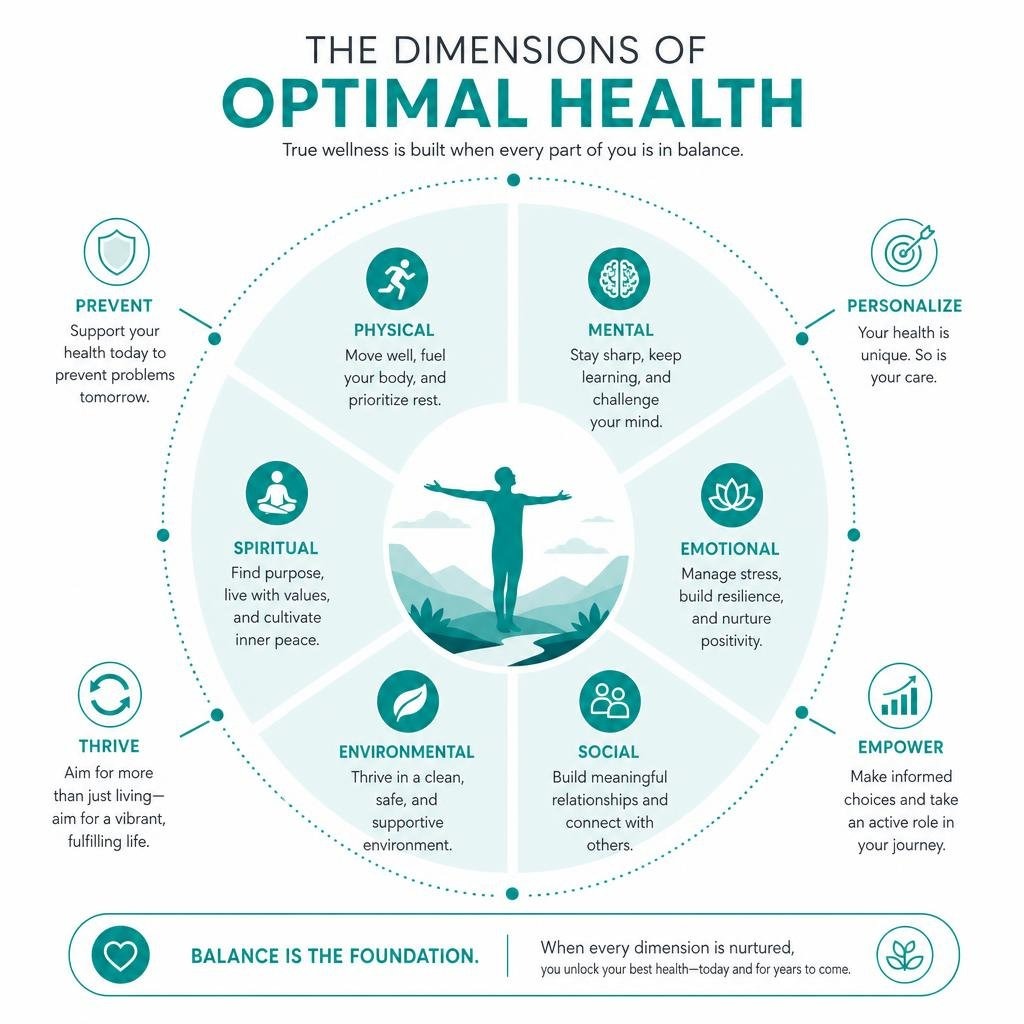
To truly appreciate the value of specialized medical and wellness care, it’s crucial to understand how it diverges from the traditional primary care model most of us are familiar with. While both are vital components of our healthcare system, their approaches, philosophies, and outcomes often differ significantly.
Traditional primary care typically focuses on acute illness management, routine check-ups, and addressing immediate health concerns. It’s reactive, often waiting for symptoms to manifest before intervention. While invaluable for general health maintenance and initial diagnoses, it can sometimes fall short in addressing the complex, interconnected nature of long-term well-being and chronic conditions.
Specialized medical and wellness care, in contrast, embraces a more proactive, holistic, and patient-centered philosophy. Our approach is often rooted in root-cause resolution, aiming to identify and address the underlying reasons for health issues rather than merely treating symptoms. This means looking beyond a single ailment to understand how various bodily systems, lifestyle choices, and environmental factors interact.
We emphasize whole-person health, recognizing that physical, mental, emotional, and even spiritual well-being are inextricably linked. This integrated perspective drives our focus on lifestyle modification as a cornerstone of treatment. Instead of relying solely on medication, we empower patients with tools and strategies for sustainable changes in diet, exercise, stress management, and sleep. This fosters greater patient accountability and engagement in their own health journey.
A key aspect of this specialized approach is a longevity-forward philosophy. We don’t just aim to extend life, but to enhance “healthspan” – the period of life spent in good health, free from chronic disease and disability. This involves advanced preventive strategies, personalized risk assessments, and ongoing support to optimize health for years to come.
Here’s a comparison to illustrate these distinctions:
This shift represents a fundamental rethinking of healthcare, moving from a disease-centric model to one that champions comprehensive wellness and proactive health management.
Core Services Offered by Modern Health and Wellness Centers
Modern health and wellness centers offer a diverse array of specialized services designed to cater to the complex and individualized needs of patients seeking a holistic approach to their health. These centers go beyond the scope of traditional primary care, integrating various disciplines under one roof to provide comprehensive support.
Our focus extends to physical rehabilitation and injury recovery, often incorporating physical therapy and chiropractic care to address musculoskeletal issues, improve mobility, and reduce pain. For those seeking advanced healing and repair, many centers offer regenerative medicine options, including PRP therapy (Platelet-Rich Plasma), which utilizes the body’s own growth factors to accelerate healing in damaged tissues.
Beyond physical modalities, we recognize the importance of micronutrient balance and cellular health. Services like IV therapy and NAD+ therapy are increasingly popular for boosting energy, improving cognitive function, and supporting overall cellular repair. For specialized needs, podiatric care addresses foot and ankle health, crucial for overall mobility and well-being, while comprehensive sports injury recovery programs are tailored to help athletes regain peak performance and prevent future injuries.
Furthermore, many specialized centers integrate aesthetic and dermatological health into their wellness offerings. This includes services such as medical and cosmetic dermatology, which can range from skin cancer screenings and acne treatment to anti-aging procedures, reflecting the understanding that external health often mirrors internal well-being.

Integrating Specialized Medical and Wellness Care for Chronic Conditions
One of the most impactful areas where specialized medical and wellness care shines is in the management of chronic conditions. Unlike traditional models that might manage symptoms in isolation, we adopt an integrated approach to chronic disease management, understanding that conditions like diabetes, heart disease, autoimmune disorders, and chronic pain require multifaceted interventions.
Our centers often employ a team of specialists who collaborate to create unified treatment plans. For instance, individuals suffering from persistent pain can benefit immensely from multidisciplinary pain management strategies. This approach combines various therapies, such as physical therapy, massage, acupuncture, psychological support, and medication management, to address pain from multipleangles and improve quality of life. This integrated strategy is particularly effective for complex cases, including those resulting from auto accident injury treatment, which often involve intricate spinal issues and rehabilitation needs.
We also focus heavily on spinal health and comprehensive rehabilitation programs, recognizing their central role in overall physical function and preventing further complications. Many of these specialized services are becoming more accessible in various regions, including the Northern Chicago area, with centers providing care in communities like Niles, IL, and Skokie, IL. This localized availability ensures that patients can access sophisticated, integrated care close to home.
Mental Health, Stress Management, and the Vagus Nerve
In a truly holistic wellness approach, mental health is not an afterthought but a central pillar. Specialized centers deeply integrate mental health and stress management services, recognizing their profound impact on physical well-being. We understand that the mind and body are not separate entities, and this connection is beautifully illustrated by the vagus nerve and the gut-brain connection.
The vagus nerve, often called the “wandering nerve,” is a crucial communication pathway between the brain and many vital organs, including the gut. It plays a significant role in regulating mood, immune response, digestion, and heart rate. Dysfunction in this pathway can contribute to stress-induced conditions such as anxiety, depression, irritable bowel syndrome, and chronic inflammation.
Our centers offer various interventions to support vagal tone and overall mental resilience. Mind-body medicine techniques, including mindfulness, meditation, yoga, and biofeedback, are often incorporated to help patients manage stress, improve emotional regulation, and enhance their body’s natural healing capabilities. We also provide counseling, therapy, and psychiatric support, often through an integrated behavioral health model, where mental health professionals work directly alongside medical doctors and other wellness practitioners. This collaborative approach, exemplified by organizations like Clinica Family Health & Wellness, ensures seamless care and helps destigmatize mental health support. In times of crisis, resources like the 988 lifeline are also emphasized as critical support systems.
Advanced Diagnostics and Longevity Planning
The future of specialized medical and wellness care is deeply intertwined with advanced diagnostics and a proactive approach to longevity planning. We leverage cutting-edge technology to gain a deeper understanding of an individual’s unique physiological makeup and future health risks, moving beyond standard lab tests.
One powerful tool is comprehensive biomarker analysis, which examines a wide range of indicators in blood, urine, and other samples to assess inflammation, nutritional deficiencies, hormonal imbalances, and metabolic health. This granular data allows for highly personalized interventions.
Epigenetic age tracking is another diagnostic, measuring biological age rather than chronological age. By analyzing changes in DNA methylation, we can understand how lifestyle and environmental factors are impacting cellular aging and then implement strategies to potentially reverse or slow down this process. Similarly, monitoring heart rate variability (HRV) provides insights into the autonomic nervous system’s balance, reflecting stress levels, recovery capacity, and overall resilience.
For cardiovascular health, AI-powered cardiovascular imaging offers non-invasive, highly detailed assessments of heart health, detecting early signs of disease that might be missed by conventional methods. This allows for targeted preventive cardiovascular care to mitigate risks before they become critical.
Furthermore, we focus on metabolic optimization through tests like continuous glucose monitoring and VO2 max testing, which measures aerobic capacity. These diagnostics help tailor nutrition and exercise plans to maximize energy, improve body composition, and enhance overall physical performance, all contributing to a longer, healthier life.
The Rise of Concierge and Membership-Based Wellness Models
In response to the desire for more personalized, attentive, and proactive healthcare, concierge medicine and membership-based wellness models have seen a significant rise in popularity. These models are designed to restore the deep, enduring relationship between patient and physician, a hallmark of medicine that has often been diluted in traditional high-volume practices.
At its core, concierge medicine operates on a subscription or membership fee, which allows clinics to maintain limited patient panels. This reduction in patient volume is transformative. It means physicians can dedicate significantly more time to each individual, offering unhurried, in-depth consultations that delve into all aspects of health and lifestyle. Patients benefit from extended appointment times, often 30-60 minutes or more, fostering a deeper understanding of their health concerns and goals.
A key benefit of these models is 24/7 access to care, often directly with their physician via phone, text, or virtual visits. This accessibility provides peace of mind and allows for timely interventions, potentially preventing emergency room visits for non-urgent issues.
The focus shifts entirely to the patient, resulting in truly personalized treatment plans. These plans are not one-size-fits-all but are meticulously crafted based on individual needs, preferences, and advanced diagnostic insights. This level of attention extends to comprehensive private health management, where the physician acts as a central coordinator, managing referrals, liaising with specialists, and ensuring seamless continuity of care.
These models cultivate unhurried clinical relationships, built on trust and mutual respect. Patients feel heard, understood, and actively involved in their healthcare decisions, leading to better adherence to treatment plans and improved long-term outcomes. This approach is particularly appealing to individuals who prioritize proactive health management, preventive care, and a highly personalized healthcare experience.

Community-Based Wellness Centers and Health Equity
While specialized medical and wellness care often conjures images of exclusive, high-end services, an equally vital and growing segment focuses on addressing health disparities and improving access for vulnerable populations. Community-based wellness centers play a critical role in bridging these gaps, proving that comprehensive, preventive care can be both specialized and accessible.
These centers often strategically locate their facilities within or very close to the communities they serve, removing significant barriers such as transportation, childcare, and time off work. Their approach is not just about providing medical services but about building community trust through engagement and understanding. They recognize that health outcomes are deeply influenced by social determinants of health, such as housing, food security, and education.
A core component of these models is the integration of health navigators. These dedicated professionals act as crucial liaisons, helping patients navigate complex healthcare systems, understand treatment plans, connect with social services, and adhere to lifestyle changes. They provide personalized support that goes beyond the clinical setting, addressing practical challenges that often hinder health progress.
Organizations like Urgent Wellness LLC have demonstrated the profound impact of this community-embedded approach. By focusing on wellness and disease management within vulnerable communities, they have achieved remarkable results, including a 35% reduction in ER costs and a 16% decrease in hospital expenses. These statistics, from July 2026, highlight the economic as well as humanitarian benefits of proactive, community-focused care.
These initiatives are integral to broader public health initiatives, shifting the paradigm from reactive illness treatment to proactive wellness and prevention. By investing in accessible, integrated care at the community level, we can significantly improve health equity and foster healthier populations overall.
Selecting the Right Provider for Your Health Journey
Choosing the right specialized medical and wellness center is a deeply personal decision that can significantly impact your health trajectory. With a growing number of options available, approach this choice with careful consideration. We believe that an informed decision involves looking for several key indicators of quality and compatibility.
First and foremost, seek centers that prioritize evidence-based treatments. While innovative therapies are exciting, ensure they are grounded in scientific research and proven efficacy. This commitment to evidence should extend to their use of advanced medical technology, ensuring you benefit from the latest diagnostic tools and therapeutic modalities.
A multidisciplinary care approach is another critical factor. The best centers bring together a team of experienced medical professionals from various specialties—doctors, nutritionists, physical therapists, mental health counselors, and alternative medicine practitioners—who collaborate seamlessly. This integrated team ensures that all aspects of your health are considered and addressed in a coordinated manner.
Geographic convenience can also be a factor, especially for ongoing care. Many specialized centers are expanding their reach to serve more communities, including in areas like the Northern Chicago area, with options in Glenview, IL, Park Ridge, IL, Morton Grove, IL, and Des Plaines, IL, and Mount Prospect, IL. Accessibility ensures that consistent engagement with your chosen center is feasible.
Key Factors in Choosing Specialized Medical and Wellness Care
When evaluating potential specialized wellness centers or programs, consider these specific factors:
- Patient-Focused Care Philosophy: Does the center truly prioritize your individual needs and goals? Look for signs of personalized attention, unhurried appointments, and a commitment to understanding your unique health story.
- Clinic Credentials and Accreditation: Verify that the center and its practitioners hold appropriate licenses, certifications, and accreditations. A strong track record and positive patient testimonials are also good indicators. Many established centers boast over 20 years of experience in their field, signifying deep expertise.
- Comprehensive Evaluation Process: A good specialized center will begin with a thorough, comprehensive evaluation. This should include detailed medical history, advanced diagnostics, and an in-depth discussion of your lifestyle and aspirations.
- Personalized Recovery Goals: Ensure the center works with you to establish clear, realistic, and personalized recovery goals. The treatment plan should be tailored to these goals, with measurable outcomes and regular progress assessments.
- Ease of Scheduling and Communication: Consider the practical aspects of engaging with the center. Is scheduling an appointment straightforward? Are communication channels open and responsive? Easy access to your care team is a hallmark of quality specialized care.
By carefully evaluating these aspects, you can confidently select a specialized medical and wellness center that aligns with your values and supports your journey toward optimal health.
Frequently Asked Questions about Specialized Wellness Care
Here, we address some common questions patients have about specialized medical and wellness care, shedding light on its benefits and practical applications.
How does specialized wellness care lower overall healthcare expenses?
Specialized wellness care, despite its often premium services, can paradoxically lead to significant long-term cost savings. This is primarily due to its strong emphasis on preventive screenings and proactive chronic disease management. By identifying health risks early through advanced diagnostics and implementing personalized interventions, we can often prevent conditions from escalating into costly medical emergencies or requiring extensive, long-term treatments.
For instance, robust chronic disease management programs help patients control conditions like diabetes or hypertension, reducing the likelihood of complications such as heart attacks, strokes, or kidney failure, which incur massive hospital bills. As highlighted by recent data from July 2026, integrated wellness services have been associated with a remarkable 35% reduction in ER costs and a notable 16% decrease in hospital expenses. These figures underscore how proactive health initiatives can mitigate the financial burden on individuals and the healthcare system by focusing on sustained well-being rather than reactive crisis management.
What is the role of a health navigator in integrated care?
A health navigator plays a pivotal role in an integrated care model, acting as a patient’s guide and advocate throughout their health journey. Their responsibilities extend far beyond traditional administrative tasks. Health navigators provide crucial support for treatment adherence, ensuring patients understand and follow their prescribed plans, including medication schedules and therapy recommendations.
They are instrumental in facilitating lifestyle modification, offering practical advice and connecting patients with resources for nutrition, exercise, and stress management. Essentially, they serve as a bridge between the clinical recommendations of various specialists and the patient’s daily life. This includes comprehensive care coordination, where they help schedule appointments, manage referrals, and ensure seamless communication among different providers within a multidisciplinary team. Health navigators provide invaluable patient support, helping to overcome barriers to care, answering questions, and empowering individuals to take an active role in their health. Their work is critical in bridging clinical gaps and ensuring a truly holistic and continuous care experience.
How do advanced diagnostics like HRV and epigenetic tracking improve health outcomes?
Advanced diagnostics such as Heart Rate Variability (HRV) and epigenetic tracking offer profound insights that significantly improve health outcomes by enabling highly personalized and preventive care.
Heart Rate Variability (HRV) measures the subtle variations in time between successive heartbeats. It’s a powerful, non-invasive indicator of your autonomic nervous system’s balance, reflecting your body’s ability to adapt to stress and recover. A higher HRV generally indicates better cardiovascular health, greater resilience to stress, and improved overall well-being. By monitoring HRV, we can identify chronic stress, overtraining, or early signs of illness, allowing for timely interventions to optimize recovery, improve sleep, and enhance mental clarity.
Epigenetic tracking, on the other hand, delves into how lifestyle and environmental factors influence gene expression without changing the underlying DNA sequence. This technology allows us to determine your biological age, which can be different from your chronological age. By analyzing specific epigenetic markers, we can identify areas where lifestyle choices (diet, exercise, sleep, stress) are accelerating or decelerating the aging process. This provides actionable data for personalized interventions aimed at reversing or slowing down biological aging.
Together, these diagnostics facilitate early disease detection and enable precise metabolic performance optimization. They move us beyond generic health advice to a truly individualized approach, allowing us to proactively manage health, prevent disease, and ultimately enhance both the quantity and quality of life.
Conclusion
The landscape of healthcare is evolving, and specialized medical and wellness care stands at the forefront of this transformation. As we’ve explored, these advanced models offer a profound shift from reactive symptom treatment to proactive wellness and comprehensive, whole-person healing. By integrating diverse medical disciplines, leveraging advanced diagnostics, and fostering deep patient-provider relationships, we are empowering individuals to achieve long-term health and an enhanced quality of life.
Whether you’re seeking to manage a chronic condition, optimize your longevity, or simply embrace a more holistic approach to your well-being, understanding these specialized options is your first step. We encourage you to explore the possibilities and consider how a personalized, integrated care plan could transform your health journey.