Introduction
Losing a back tooth might seem less noticeable than losing a front one, but its impact on our oral health and overall well-being is profound. The back teeth, often called molars and premolars, are essential for proper chewing, maintaining bite alignment, and supporting facial structure. When one or more of these crucial teeth are missing, it can trigger a cascade of issues, from difficulty eating to the shifting of remaining teeth and even bone loss in the jaw.
Understanding the significance of these posterior teeth is the first step toward reclaiming a healthy, functional smile. In this extensive guide, we will explore everything you need to know about Dentures for back teeth. We’ll delve into what these appliances are, why their replacement is so vital, and the various types available to suit different needs.
We will also walk you through the process of getting dentures for your back teeth, highlight the numerous benefits they offer, and discuss potential drawbacks or complications. Furthermore, we’ll provide essential care instructions, examine alternatives to dentures, and address common questions about longevity and eating habits. Our aim is to provide a comprehensive overview of restorative dental care, empowering you with the knowledge to make informed decisions about your oral health in August 2026 and beyond.
The Role of Restorative Dental Care in Oral Health
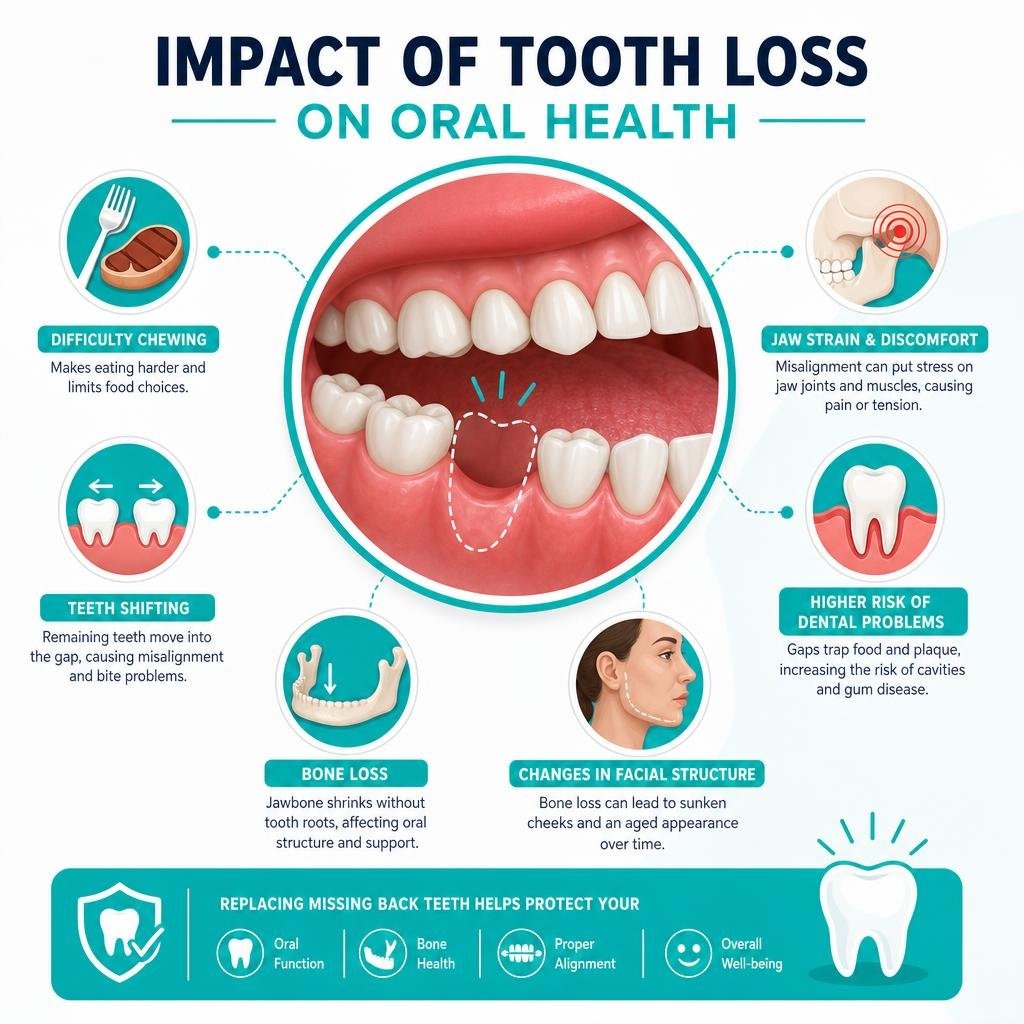
The loss of a single back tooth, or multiple posterior teeth, initiates a complex chain reaction within the oral cavity that can compromise not only dental function but also overall health. Our back teeth play a pivotal role in the chewing process, bearing the brunt of the forces required to break down food. Beyond their primary masticatory function, they are integral to maintaining proper jawbone density, ensuring stable bite alignment, and preserving the natural contours of our facial structure. When these essential components of the posterior arch are absent, the delicate balance of the oral system is disrupted, leading to a cascade of problems including tooth shifting, increased muscle strain, and even changes in facial appearance. Addressing these issues through comprehensive restorative dental care is not merely about aesthetics; it’s about safeguarding long-term oral health and quality of life.
Preventing Bone Loss and Arch Collapsing
One of the most critical consequences of missing back teeth is the potential for jawbone deterioration. Our jawbone relies on the stimulation it receives from the roots of our teeth during chewing. When a tooth is extracted, the underlying socket bone no longer receives this vital stimulation, leading to a process known as resorption. Over time, the alveolar bone, which supports the teeth, begins to shrink and recede. This bone loss can have far-reaching effects, including weakening the support for adjacent teeth, altering facial contours, and making future tooth replacement more challenging.
The absence of back teeth can also lead to the collapse of the dental arch. Remaining natural teeth may begin to drift or tilt into the empty spaces, disrupting bite alignment and creating new gaps where food can become trapped, increasing the risk of decay and gum disease. This shifting can also place undue strain on the temporomandibular joints (TMJ), potentially leading to discomfort or dysfunction. Restorative solutions for back teeth are designed to fill these voids, maintaining ridge integrity and preventing the progressive bone loss and arch instability that can otherwise occur.
Restoring Masticatory Function
The primary function of our back teeth is mastication – the process of chewing food. Molars and premolars are equipped with broad, strong surfaces designed to exert significant molar pressure, effectively grinding and breaking down food into smaller, more digestible pieces. When these teeth are missing, individuals often find it difficult to chew certain foods, especially tougher meats, fibrous vegetables, or crunchy items. This reduction in chewing efficiency can lead to several problems.
Firstly, it can force individuals to swallow larger pieces of food, placing extra strain on the digestive system. Secondly, it can limit dietary choices, potentially leading to nutritional deficiencies if essential food groups are avoided due to chewing difficulties. Restoring the ability to chew effectively is paramount for overall health and enjoyment of meals. Dentures for back teeth are specifically engineered to reinstate this crucial function, allowing for proper food breakdown, improved digestion, and access to a wider, more nutritious diet. By re-establishing a balanced bite, these appliances help distribute chewing forces evenly, protecting remaining natural teeth from excessive wear and tear.
Comprehensive Solutions for Replacing Back Teeth
When it comes to replacing missing back teeth, the array of available options can seem daunting. However, each solution is designed to address specific needs, ranging from removable appliances to fixed bridges and dental implants. The choice often depends on the number of missing teeth, the condition of remaining natural teeth, bone density, and individual preferences regarding cost, convenience, and permanence. The goal of any restorative dental care is to provide robust posterior support, ensuring optimal function and aesthetics. For those exploring their options for replacing missing back teeth, understanding the nuances of each treatment is key to making an informed decision. Further details on these comprehensive solutions can often be found through dedicated resources on restorative dental care.
Partial and Full Dentures for Posterior Restoration
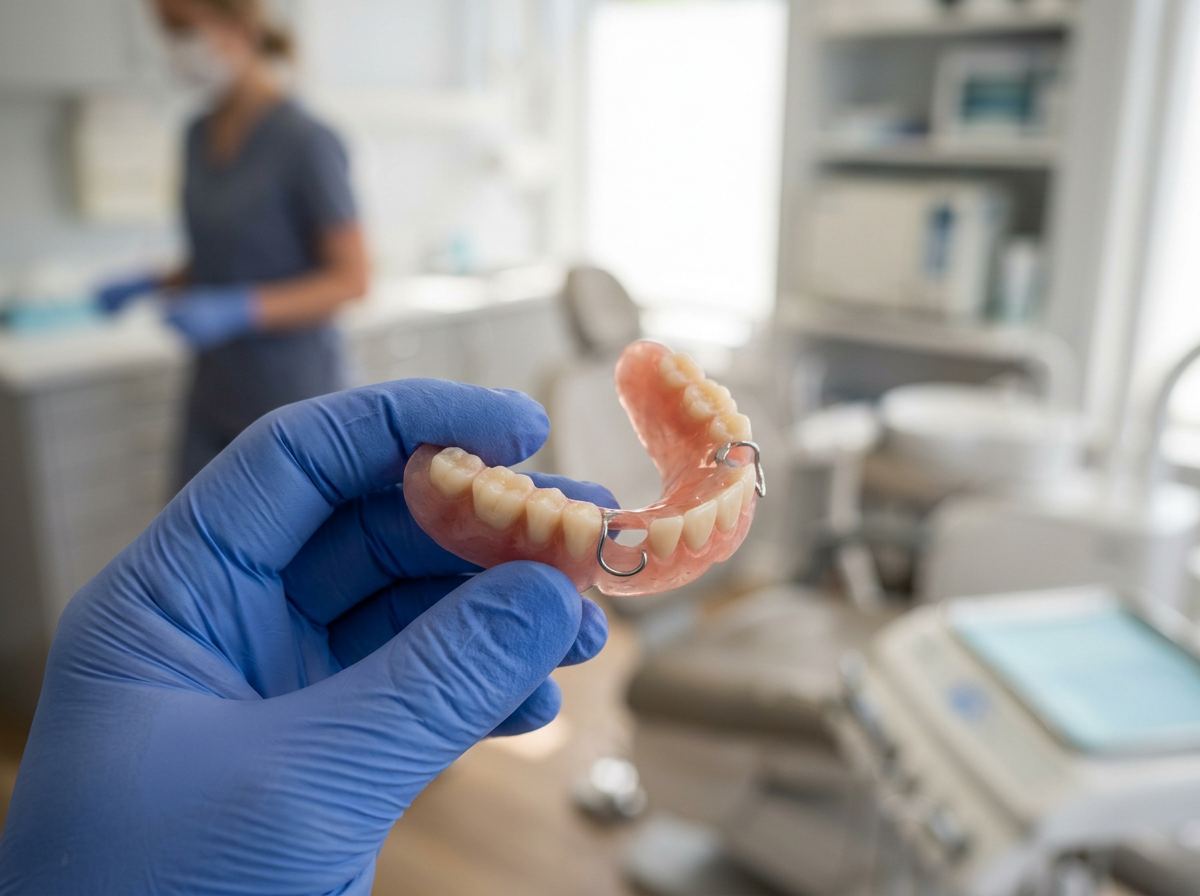
Dentures are removable oral appliances crafted to replace missing teeth. While full dentures replace an entire arch of teeth, partial dentures are an excellent option when only a few back teeth are missing, or even a single one. Partial dentures for back teeth are designed to fill the spaces created by missing teeth, preventing the remaining natural teeth from shifting out of position. They consist of replacement teeth attached to a gum-colored base, which can be made from acrylic, resin, or nylon.
For enhanced stability and durability, many partial dentures incorporate a metal framework, often made from a cobalt-chromium alloy. This framework provides strength and allows for the use of clasps that hook around existing natural teeth, securing the denture firmly in place. These clasps are crucial for maintaining stability, especially when chewing. While full dentures can replace an entire upper or lower arch, partial dentures specifically target the gaps in the posterior region, restoring chewing function and maintaining the integrity of the dental arch. They are a cost-effective choice that can significantly improve eating and speaking capabilities.
Choosing Restorative Dental Care Options for Posterior Tooth Loss
Selecting the right type of denture for your back teeth involves considering various factors, including material, comfort, aesthetics, and longevity.
- Acrylic Partial Dentures: These are typically made from resin plastic and are often the most affordable option. They are easier to adjust and can be a good choice for temporary solutions or when budget is a primary concern. However, acrylic dentures can be bulkier, may not withstand heavy chewing forces as well as other types, and can be prone to breaking if not handled carefully. Their lifespan is generally between five and eight years.
- Flexible Partial Dentures: Made from a clear, flexible nylon material, these dentures are known for their comfort and aesthetics. They are less bulky than acrylic options and often do not require metal clasps, blending more seamlessly with the natural gum line. Flexible partial dentures can be used for up to 15 years with proper care and are a good choice for those sensitive to metal or seeking a more discreet appliance. A key consideration, however, is that they are generally not repairable if they break, requiring a full replacement.
- Metal Partial Dentures (Cast Metal): These are considered a premium option for partial dentures, often featuring a cobalt-chromium alloy framework. They are lightweight, exceptionally durable, and stay in place better due to their precise fit and strong clasps. Metal partial dentures can withstand greater chewing pressure, making them particularly suitable for back teeth. They are less likely to break and can last up to 10 years or more. While more expensive upfront, their longevity and superior function often make them a worthwhile long-term investment. They can also often have additional teeth added if further natural teeth are lost in the future.
- Implant-Retained or Implant-Supported Dentures: For those seeking superior stability without the need for adhesives or clasps on natural teeth, implant-retained or implant-supported dentures offer a more advanced solution. Implant-retained dentures “snap on” to dental implants embedded in the jawbone, providing significantly more stability than traditional removable dentures while still being removable for cleaning. Implant-supported dentures, also known as permanent or hybrid dentures, are non-removable by the patient and are fixed onto implants. These options are particularly effective for posterior tooth replacement, offering excellent chewing efficiency and preventing bone loss. They involve a surgical procedure for implant placement but provide a highly stable and long-lasting solution.
The choice among these options should always be made in consultation with a dental professional, who can assess your specific oral health needs, discuss the pros and cons of each, and help you select the most appropriate restorative dental care plan.
Materials, Longevity, and Procedure Timelines
Understanding the materials used in dentures for back teeth, their expected lifespan, and the timeline for the entire procedure is crucial for managing expectations and planning your restorative journey. The quality and type of material directly influence the durability, comfort, and aesthetics of your prosthetic. Similarly, the process of getting dentures, from initial consultation to final fitting, involves several steps, each with its own timeframe, including healing periods if extractions or implants are part of the treatment plan.
Comparing Prosthetic Materials and Expected Lifespans
The longevity of dentures for back teeth is significantly influenced by the materials from which they are crafted, as well as the level of care they receive.
Material Type Primary Composition Key Characteristics Expected Lifespan (Years) Reline Frequency (Years) Repairability Acrylic Resin Resin plastic Affordable, easy to adjust, can be bulkier, prone to breakage, good for temporary use. 5-8 1-2 Generally repairable, but repeated breaks are common. Flexible Plastic Nylon Comfortable, aesthetic (clear/gum-colored), no metal clasps, less bulky, not repairable. Up to 15 Less frequent Not repairable; requires full replacement if damaged. Metal (Cobalt Alloy) Cobalt-chromium alloy Strong, lightweight, durable, precise fit, superior chewing pressure, less prone to breakage. Up to 10 Less frequent Repairable, often allows for adding new teeth.
- Acrylic Resin: As noted, acrylic partial dentures for back teeth typically last between five and eight years. Their wear resistance is moderate, and they may require more frequent relines (every one to two years) as the jawbone changes.
- Flexible Plastic (Nylon): With proper care, flexible partial dentures can be used for up to 15 years. They tend to maintain their fit longer due to their inherent flexibility, potentially requiring less frequent adjustments.
- Metal (Cobalt Alloy): Metal partial dentures are known for their robust construction and are unlikely to break. They can last up to 10 years or more, offering excellent long-term durability and stability for the demanding posterior region of the mouth.
These are average lifespans. Regular dental check-ups, proper cleaning, and prompt attention to any issues can help maximize the lifespan of any denture. We recommend getting a denture reline every one to two years, or whenever you notice changes in the way your denture fits, to ensure continued comfort and function.
Procedure Steps and Healing Expectations
The process of getting dentures for back teeth typically involves several stages, spanning from initial consultation to final fitting. The entire development process can take up to two months, or even longer if extractions or dental implants are involved.
- Initial Consultation and Treatment Planning: Your dentist will conduct a thorough examination of your oral health, discuss your needs and preferences, and recommend the most suitable type of denture or alternative. This stage includes taking X-rays and potentially 3D scans.
- Impressions and Measurements: Precise impressions of your jaws and any remaining teeth are taken. These impressions serve as the blueprint for crafting your custom denture. Detailed measurements are also recorded to ensure proper bite alignment and facial aesthetics.
- Creation of Models/Wax Rims: Dental technicians use the impressions to create plaster models of your mouth. Wax rims are then fabricated and used to determine the correct bite registration, jaw relationship, and the precise position of the prosthetic teeth.
- Trial Fittings: You will typically have one or more trial fittings with a wax model of your denture. This allows your dentist to check the fit, bite, and appearance, and for you to provide feedback. Adjustments can be made at this stage to ensure optimal comfort and aesthetics before the final denture is cast.
- Final Casting and Adjustment: Once the trial model is approved, the final denture is cast using the chosen materials (acrylic, flexible plastic, or metal). Once received, your dentist will fit the final denture, making any last minor adjustments to ensure a comfortable and secure fit.
- Healing Periods (if applicable):Tooth Extractions: If you require tooth extractions before getting your dentures, a healing period is necessary. An immediate denture can be worn right after extractions, serving as a temporary solution. However, as your gums heal and shrink, this immediate denture will likely need adjustments or replacement within a year. For fixed alternatives like bridges, it can take up to six months for gums to fully heal before the permanent restoration can be placed.
- Dental Implant Placement: If you opt for implant-retained or implant-supported dentures, the process involves a surgical phase for implant placement. After the implants are placed in the jawbone, a healing period of three to six months is required for osseointegration, where the implants fuse with the bone. During this time, a temporary denture can often be worn. Once healed, the final denture is attached to the integrated implants. Most people feel normal within a week after implant placement, though strenuous activity should be avoided for 48 hours.
Throughout this process, open communication with your dental team is essential to ensure a successful outcome and your satisfaction with your new dentures for back teeth.
Maintenance, Function, and Long-Term Quality of Life
The decision to get dentures for back teeth is an investment in your oral health and overall well-being. To maximize this investment and ensure long-term satisfaction, proper maintenance and an understanding of how to adapt to your new prosthetics are paramount. Daily care routines, dietary considerations, and regular dental check-ups play a crucial role in the comfort, functionality, and longevity of your dentures, directly impacting your quality of life.
Chewing Function and Eating Capabilities
One of the primary benefits of dentures for back teeth is the restoration of chewing function. While it is true that partial dentures are designed to be functional, allowing you to chew and bite into foods comfortably, it’s also important to acknowledge that there will be an adjustment period. Initially, you may need to start with soft foods cut into small pieces. As your mouth adapts, you can gradually reintroduce a wider variety of foods.
Traditional removable dentures, even those for back teeth, may not provide the same bite force as natural teeth or implant-supported options. Some people may experience reduced chewing efficiency compared to their natural dentition. However, with practice and patience, most individuals learn to eat normally. It’s often recommended to chew slowly and distribute food evenly on both sides of your mouth to prevent dislodging the denture and ensure balanced chewing. For those seeking superior chewing efficiency and stability, implant-retained or implant-supported dentures offer a significant advantage, often allowing individuals to eat all their favorite foods without worry, once fully healed.
Maintaining Long-Term Results from Restorative Dental Care
Proper care and maintenance are non-negotiable for the longevity and hygiene of your dentures for back teeth.

- Daily Cleaning: Dentures should be removed daily and cleaned thoroughly. Use a soft-bristled denture brush and a mild soap or non-abrasive denture cleaner. Avoid using regular toothpaste, as it can be too abrasive and scratch the denture surface, creating microscopic crevices where bacteria can accumulate. Rinse your dentures after every meal to remove food particles.
- Nightly Soaking: It is crucial to remove your dentures every night. This gives your gums and oral tissues a much-needed rest, reduces the risk of infections, and helps maintain jawbone health. Dentures should be soaked overnight in water or a denture-cleaning solution to keep them moist and prevent warping or cracking. Aim for at least an eight-hour break from wearing your dentures each day.
- Oral Hygiene for Remaining Tissues: Even with dentures, maintaining good oral hygiene for your natural teeth, gums, tongue, and the roof of your mouth is essential. Brush these areas twice daily with fluoride toothpaste to prevent plaque buildup, gum disease, and bad breath.
- Regular Dental Check-ups: Regular visits to your dentist are vital. They can monitor the fit and condition of your dentures, perform professional cleanings, and recommend relines or adjustments as needed. A denture reline is typically recommended every one to two years, or whenever you notice changes in how your denture fits, such as looseness or discomfort. For implant-supported dentures, specific cleaning techniques, including flossing around the implants with specialized tools, will be advised by your dentist.
By adhering to these best practices, you can ensure your dentures remain clean, comfortable, and functional for many years, contributing positively to your long-term wellness.
Frequently Asked Questions
Navigating dentures for back teeth often brings up a host of questions. We aim to address some of the most common concerns to provide clarity and empower you with the knowledge to make informed decisions about your restorative dental care.

How long do partial dentures for back teeth usually last?
The lifespan of partial dentures for back teeth varies significantly depending on the material, proper care, and individual oral conditions.
- Acrylic partial dentures are generally the most affordable and can last between five and eight years.
- Flexible partial dentures, made from nylon, can offer excellent aesthetics and comfort, lasting up to 15 years with diligent care.
- Metal partial dentures, often incorporating a cobalt-chromium framework, are highly durable and can last up to 10 years or more due to their superior strength and resistance to breakage.
Regardless of the type, regular dental check-ups and professional relines (typically every one to two years) are crucial to extend the life of your dentures and ensure they maintain a proper fit as your mouth changes over time. The average lifespan of a denture overall is seven to ten years, but with excellent care, this can often be surpassed.
Can missing back teeth affect jaw structure and bite alignment?
Absolutely. Missing back teeth can have a profound impact on both jaw structure and bite alignment. When a posterior tooth is lost, the teeth on either side of the gap may begin to tilt or drift into the empty space. This shifting can disrupt the natural bite, leading to uneven pressure distribution during chewing and potential issues with the temporomandibular joints (TMJ), causing pain or discomfort.
Furthermore, the lack of stimulation from chewing in the area of the missing tooth can lead to jawbone resorption, where the bone gradually shrinks. This bone loss can alter the overall jaw structure and, in severe cases, contribute to a sunken facial appearance, often referred to as facial collapse. Replacing missing back teeth is therefore vital not only for chewing but also for preserving the integrity of your jaw structure and maintaining proper bite alignment, preventing these long-term complications.
What are the main alternatives to removable appliances for posterior teeth?
While removable partial dentures are a common and effective solution for missing back teeth, there are several excellent alternatives that offer different benefits regarding permanence, stability, and cost.
- Fixed Dental Bridges: A dental bridge is a non-removable prosthetic that typically replaces one to three missing teeth in a row. It consists of one or more artificial teeth (pontics) held in place by dental crowns cemented onto the natural teeth adjacent to the gap, or sometimes by dental implants. Bridges offer a stable and aesthetic solution, but they do require altering the adjacent natural teeth to support the crowns.
- Dental Implants: Dental implants are considered the most advanced and permanent solution for replacing missing teeth. An implant consists of a small, titanium post surgically placed into the jawbone, acting as an artificial tooth root. Once integrated with the bone, a crown, bridge, or even an implant-supported denture can be attached to the implant. Implants prevent bone loss, offer superior stability and chewing efficiency, and do not require modification of adjacent healthy teeth. While they involve a surgical procedure and are generally more expensive upfront, their longevity and benefits often make them a worthwhile investment.
- Implant-Supported Bridges: For multiple missing back teeth, an implant-supported bridge can be an excellent option. Instead of relying on natural teeth for support, the bridge is anchored by two or more dental implants, providing a very stable and durable restoration without impacting healthy adjacent teeth.
The best alternative for you will depend on factors such as the number and location of missing teeth, your overall oral health, bone density, and budget. A comprehensive consultation with your dentist is essential to determine the most suitable treatment plan.
Conclusion
The importance of comprehensive restorative dental care, particularly when addressing missing back teeth, cannot be overstated. These posterior teeth are fundamental to our ability to chew effectively, maintain jawbone integrity, and preserve the natural harmony of our facial structure. Ignoring their absence can lead to a cascade of issues, from shifting teeth and bite problems to significant bone loss and compromised nutrition.
Fortunately, modern dentistry offers a range of sophisticated solutions, from various types of partial dentures—acrylic, flexible, and metal-based—to more permanent options like fixed bridges and dental implants. Each choice presents its own unique benefits, considerations for longevity, and procedural timelines, all designed to restore functional mastication and aesthetic appeal.
By understanding the materials, the process, and the diligent maintenance required, individuals can make informed decisions that lead to long-term wellness. Whether opting for a removable appliance or a fixed prosthetic, the goal remains the same: to reclaim a healthy, functional smile and prevent further oral health complications. Investing in the replacement of missing back teeth is an investment in your overall health and quality of life, ensuring you can eat, speak, and smile with confidence for years to come.