Our joints are the intricate marvels that allow us to move, work, and enjoy life’s many activities. From a simple morning stretch to participating in our favorite sports, these vital connections between our bones enable every motion. However, joint pain and orthopedic conditions are a widespread challenge, affecting approximately 1.71 billion people globally and significantly impacting quality of life for millions. In the U.S. alone, over 126 million adults grapple with musculoskeletal disorders, making joint health and orthopedics a critical area of focus for overall well-being.
Understanding how our joints function, what challenges they face, and the solutions available is key to maintaining an active and fulfilling life. In this comprehensive guide, we will delve into the anatomy and mechanics of human joints, explore common orthopedic conditions, and outline the various non-surgical and advanced treatment options designed to support our long-term mobility and vitality.
Our bodies are engineering marvels, and at the heart of our ability to move are our joints. A joint, or articulation, is simply a point where two or more bones meet. Far from being rigid connections, these articular structures are designed to allow varying degrees of movement, providing the skeleton with its remarkable flexibility and supporting our entire range of physical activities. Without them, our skeletal framework would be a static, unmoving structure. In the adult human body, we possess an astounding number of joints—approximately 350, depending on how specific articulations are counted. Each of these plays a crucial role in our daily lives, from the large weight-bearing joints like the hips and knees to the tiny, intricate joints of our fingers and toes. They not only facilitate movement but also absorb shock, distribute forces, and provide stability, acting as critical components in our movement mechanics.
Classification of Joints by Structure and Mobility
To truly appreciate the complexity and functionality of our joints, it helps to understand how they are classified. Joints are broadly categorized in two main ways: by the structure of the tissues connecting the bones, and by the degree of movement they permit.
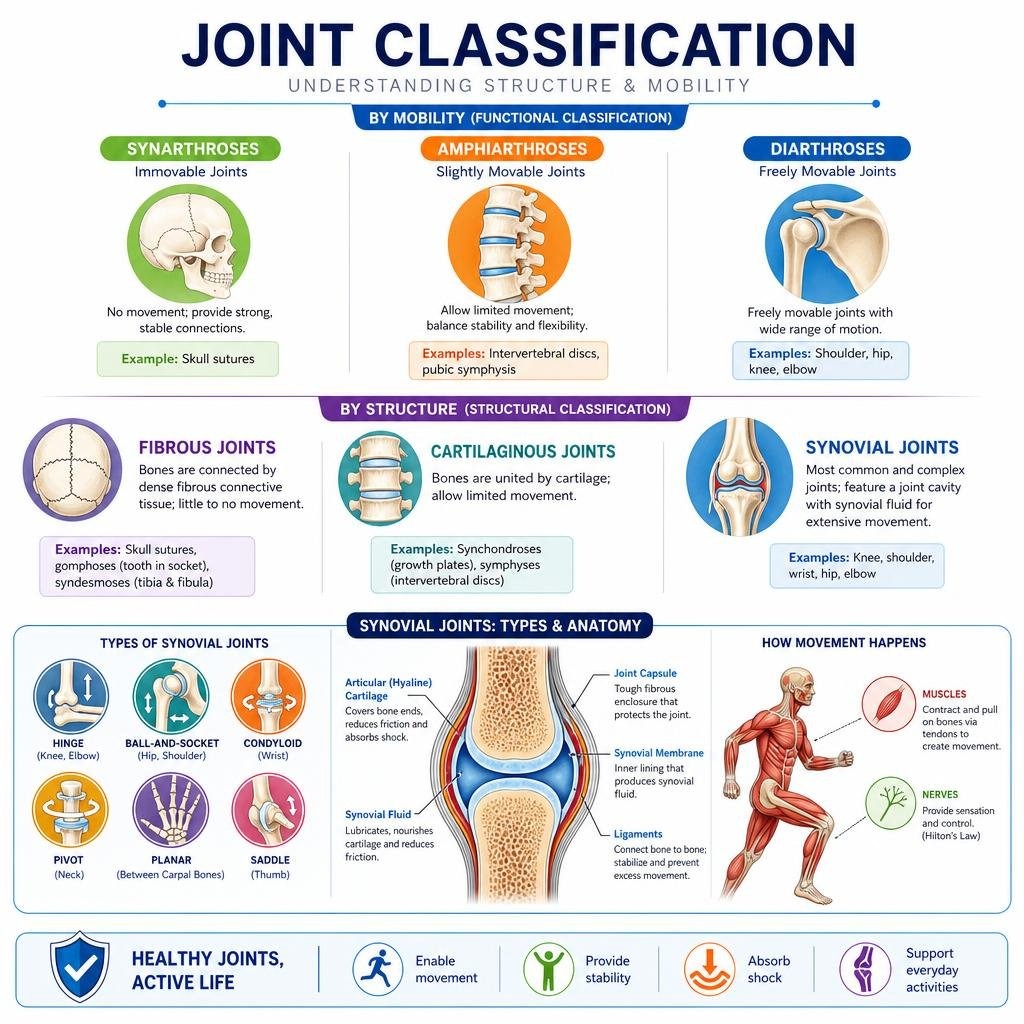
Functionally, joints are divided into three types based on their mobility:
- Synarthroses: These are immovable joints, providing strong, stable connections between bones. A prime example is the sutures between the plates of our skull, which fuse after birth to protect the brain.
- Amphiarthroses: These joints allow for slight movement, offering a balance between stability and flexibility. The pubic symphysis, connecting the left and right pubic bones, and the joints between vertebrae in the spine, are classic examples.
- Diarthroses: Also known as synovial joints, these are freely movable joints, allowing for a wide range of motion. Most of the joints we typically think of, such as the shoulder, hip, knee, and elbow, fall into this category.
Structurally, joints are classified by the type of connective tissue that binds the bones together:
- Fibrous Joints: Bones are held together by dense connective tissue, allowing little to no movement. Examples include the sutures of the skull, gomphoses (which anchor teeth to the jawbone), and syndesmoses (like the joint between the tibia and fibula in the lower leg).
- Cartilaginous Joints: Bones are united by cartilage. These can be synchondroses (connected by hyaline cartilage, like the growth plates in long bones) or symphyses (connected by fibrocartilage, such as the intervertebral discs). They typically allow for limited movement.
- Synovial Joints: These are the most common and complex type of joint, characterized by a joint cavity filled with synovial fluid. This fluid, along with articular cartilage, minimizes friction and allows for extensive movement. Synovial joints are further subdivided into six types based on their shape and movement: hinge (knee, elbow), ball-and-socket (hip, shoulder), condyloid (wrist), pivot (neck), planar (between carpal bones), and saddle (thumb).
Anatomical Mechanics of Movement
The ability of synovial joints to move freely is thanks to a sophisticated arrangement of tissues. The ends of the bones within a synovial joint are covered by smooth, slippery articular (hyaline) cartilage. This cartilage acts as a shock absorber and reduces friction, allowing bones to glide effortlessly past each other. Surrounding the joint is a tough, fibrous joint capsule, which encloses the joint cavity. The inner lining of this capsule is the synovial membrane, which produces synovial fluid. This viscous fluid lubricates the joint, nourishes the cartilage, and further reduces friction, much like oil in an engine.
For stability, strong bands of connective tissue called ligaments connect bone to bone, preventing excessive or unwanted movements. Meanwhile, muscles attach to bones via tendons and, when they contract, pull on the bones to create movement. The coordinated action of muscles, ligaments, and the unique structure of each joint dictates its range of motion. An interesting principle guiding joint innervation is Hilton’s law, which states that the nerves supplying a joint also supply the muscles that move the joint and the skin covering the joint’s attachments. This intricate network ensures precise control and sensory feedback, crucial for both movement and protective reflexes.
The Intersection of Joint Health and Orthopedics: Global Burden and Scope
The importance of healthy joints becomes starkly clear when we consider the profound impact of musculoskeletal conditions worldwide. These conditions, which encompass over 150 different disorders affecting muscles, bones, joints, and connective tissues, represent the leading contributor to disability globally. An estimated 1.71 billion people across the planet are currently living with some form of musculoskeletal condition. The sheer scale of this challenge is staggering, with low back pain alone affecting 570 million people and being identified as the single leading cause of disability in 160 countries.
In the United States, the statistics are equally compelling. More than 126 million Americans—a staggering one out of every two adults—are affected by a musculoskeletal disorder, incurring an annual cost of approximately $213 billion. Arthritis, a broad term for joint inflammation, impacts 54.4 million U.S. adults, or more than 1 in 4. These conditions contribute significantly to years lived with disability (YLDs), accounting for approximately 149 million YLDs worldwide, which is 17% of all YLDs. This global impact underscores why joint health is not just a personal concern but a major public health issue, driving the need for specialized medical care. That’s where orthopedics comes in, offering comprehensive orthopedic care that addresses the full spectrum of musculoskeletal issues, from diagnosis to treatment and rehabilitation. Orthopedic specialists are equipped to manage everything from acute injuries to chronic degenerative diseases, often leveraging subspecialty care to provide targeted expertise for specific body regions or conditions.
Common Musculoskeletal Conditions Affecting Joints
Orthopedic specialists frequently encounter a range of conditions that compromise joint health. Among the most prevalent is osteoarthritis (OA), often referred to as “wear-and-tear” arthritis. This degenerative joint disease affects 528 million people globally, occurring when the protective cartilage on the ends of your bones wears down over time, leading to pain, stiffness, and reduced mobility.
Another significant condition is rheumatoid arthritis (RA), an autoimmune disease where the body’s immune system mistakenly attacks the lining of the joints, causing inflammation, pain, swelling, and potentially joint deformity. While less common than OA, affecting 18 million people globally, RA can be severely debilitating if not managed effectively.
Gout, a painful form of arthritis caused by the buildup of uric acid crystals in the joints, typically affecting the big toe, impacts 54 million people worldwide. Other common conditions include bursitis (inflammation of the bursae, fluid-filled sacs that cushion joints), tendonitis (inflammation of tendons), sprains (ligament injuries), and fractures (bone breaks), which affect 440 million people globally. These conditions collectively represent the core challenges that orthopedic medicine aims to address, restoring function and alleviating pain for millions.
Recognizing Signs to Consult an Orthopedic Specialist
Knowing when to seek professional help is crucial for effective joint health management. While occasional aches and pains are a normal part of life, certain signs indicate that it’s time to consult an orthopedic specialist. We should pay close attention to our bodies and not dismiss persistent symptoms.
Key indicators that warrant an orthopedic evaluation include:
- Persistent pain: If joint pain lasts for more than a few days or weeks, especially if it interferes with daily activities, work, or sleep, it’s a red flag.
- Swelling: Unexplained swelling around a joint, particularly if accompanied by redness or warmth, can indicate inflammation or injury.
- Joint stiffness: Difficulty moving a joint through its full range of motion, especially after periods of inactivity, can be a symptom of conditions like arthritis.
- Grinding sensations or clicking sounds: While some joint noises are normal, persistent grinding, popping, or clicking that is accompanied by pain or limited movement should be evaluated.
- Restricted mobility: A noticeable decrease in your ability to move a joint, perform everyday tasks, or participate in activities you once enjoyed is a significant sign.
- Structural deformity: Any visible change in the shape of a joint or limb, such as a crooked finger or a bowed leg, requires immediate orthopedic assessment.
Ignoring these signs can lead to further joint damage and more complex treatment down the line. Early intervention often leads to better outcomes and can prevent the progression of many orthopedic conditions.
Non-Surgical Interventions and Lifestyle Strategies
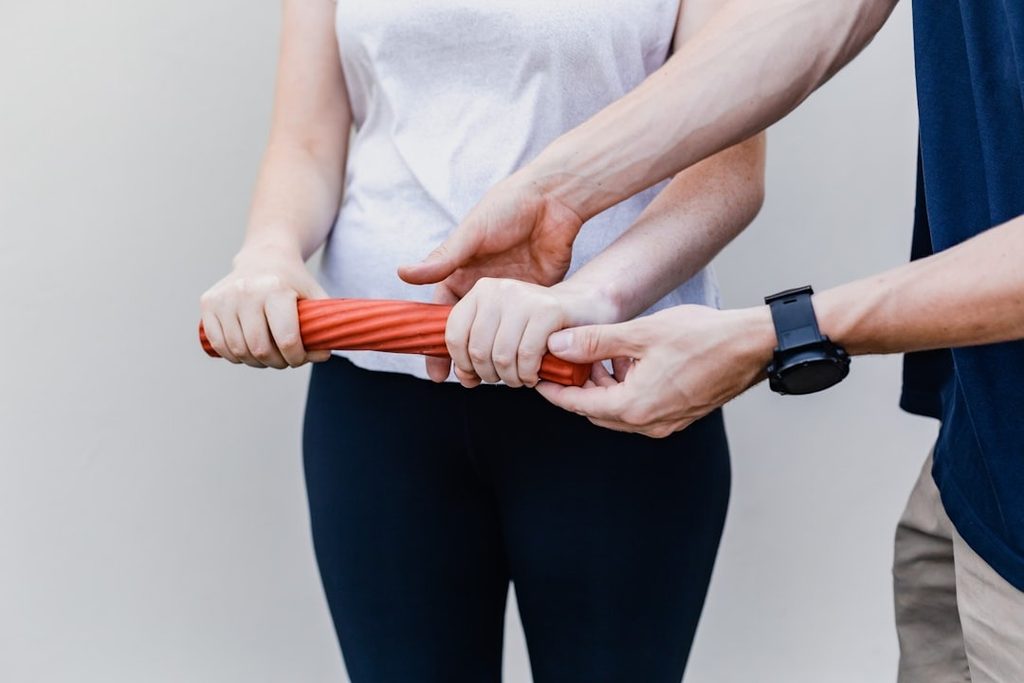
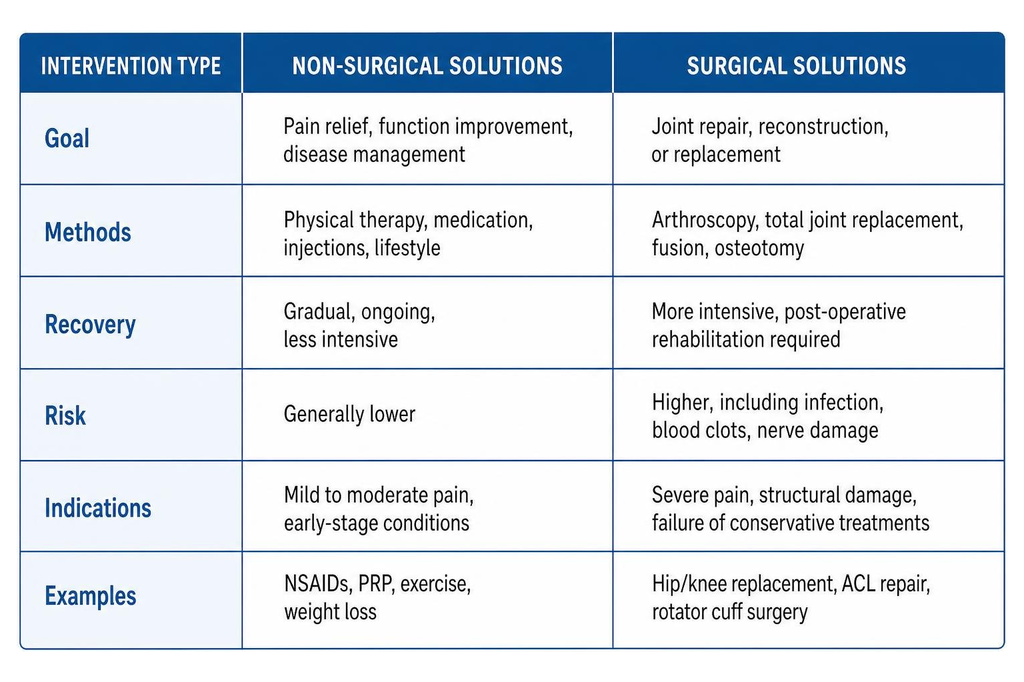
When faced with joint pain or orthopedic conditions, surgery is often not the first or only option. A wide array of non-surgical interventions and lifestyle strategies form the cornerstone of conservative management, aiming to alleviate symptoms, improve function, and slow disease progression. These approaches prioritize less invasive methods, allowing patients to regain quality of life without undergoing an operation. Physical therapy, for instance, is a critical component, involving targeted exercises to strengthen muscles around the joint, improve flexibility, and restore proper movement patterns. Activity modification, which involves adjusting daily routines to reduce stress on affected joints, is also essential. Furthermore, managing body weight effectively is paramount, as excess weight significantly increases articular loading on weight-bearing joints like the knees and hips, exacerbating pain and accelerating cartilage degeneration. Joint unloading techniques, such as using braces or assistive devices, can also provide relief.
Navigating Conservative Options for Joint Health and Orthopedics
Beyond physical therapy and lifestyle adjustments, several medical interventions are available to manage joint pain without surgery. These options are often tailored to the specific condition and individual patient needs.
Common non-surgical treatments include:
- Corticosteroid injections: These powerful anti-inflammatory medications are injected directly into the joint to reduce pain and swelling, providing temporary relief for conditions like arthritis or bursitis.
- Platelet-Rich Plasma (PRP) therapy: This regenerative medicine approach involves drawing a patient’s blood, concentrating the platelets (which contain growth factors), and injecting them into the injured joint. PRP is believed to promote healing and reduce inflammation, particularly in tendon and ligament injuries.
- Hyaluronic acid injections: Often used for knee osteoarthritis, these injections supplement the natural synovial fluid, improving lubrication and shock absorption within the joint.
- Oral medications: Non-steroidal anti-inflammatory drugs (NSAIDs), pain relievers, and other prescription medications can help manage pain and inflammation.
In addition to these clinical interventions, dietary supplements can play a supportive role. For example, some individuals find relief from joint discomfort through the use of crystalline glucosamine sulfate supplements, which are believed to support cartilage health. We encourage patients to discuss all supplement use with their healthcare provider to ensure safety and efficacy. Furthermore, ensuring adequate intake of dietary calcium and vitamin D is vital for overall bone health, which indirectly supports joint integrity.
Preventive Exercise, Nutrition, and Weight Management
Proactive measures are often the most effective way to preserve joint health and prevent the onset or progression of orthopedic conditions. Our lifestyle choices significantly influence the longevity and function of our joints.
- Exercise: Regular physical activity is crucial, but the type of exercise matters. Low-impact activities such as swimming, cycling, and walking strengthen the muscles surrounding joints without imposing excessive stress. These exercises improve circulation, nourish cartilage, and maintain joint flexibility. It’s also vital to incorporate dynamic warm-ups before any physical activity to prepare the joints and muscles, and to use appropriate protective gear during sports to prevent injuries.
- Nutrition: A balanced, anti-inflammatory diet can significantly support joint health. Foods rich in omega-3 fatty acids (like fatty fish), antioxidants (found in fruits and vegetables), and lean proteins contribute to overall well-being and can help reduce inflammation. Specific nutrients like Vitamin C for collagen production and Vitamin K for bone health are also important.
- Weight Management: Maintaining a healthy body weight is perhaps one of the most impactful strategies. Every pound of excess body weight places several pounds of additional pressure on weight-bearing joints like the knees and hips. Losing even a small amount of weight can dramatically reduce articular loading, alleviating pain and slowing the degeneration of cartilage. We encourage individuals to seek guidance from healthcare professionals to develop personalized weight management plans that are sustainable and effective.
By integrating these preventive strategies into our daily lives, we can significantly enhance our joint health and reduce the risk of developing debilitating conditions.
Advanced Orthopedic Treatments and Surgical Advancements
When conservative measures no longer provide adequate relief or when joint damage is severe, advanced orthopedic treatments and surgical interventions become necessary. Modern orthopedics has made incredible strides, offering solutions that were once unimaginable, restoring mobility and improving the quality of life for countless individuals. These interventions range from total arthroplasty (joint replacement) to intricate joint reconstruction and revision surgery for previously replaced joints. Surgeons also employ muscle-sparing approaches, which involve less disruption to surrounding tissues, often leading to faster recovery times and reduced post-operative pain.
Modern Clinical Innovations in Joint Health and Orthopedics
The field of orthopedics is continuously evolving, driven by technological advancements and a deeper understanding of musculoskeletal mechanics. Today, we have access to cutting-edge innovations that enhance precision, minimize invasiveness, and improve patient outcomes.
Key advancements include:
- Robotic-assisted surgery: This technology utilizes computer guidance and robotic arms to assist surgeons in performing joint replacements with unparalleled precision. Robotic-assisted surgery for procedures like total knee or hip replacement allows for highly accurate implant positioning, which can lead to better long-term function and durability.
- Computer guidance and navigation: Similar to robotic assistance, computer navigation systems provide real-time feedback and imaging during surgery, helping surgeons make more accurate cuts and align implants precisely.
- Minimally invasive spine surgery: These techniques involve smaller incisions, less muscle dissection, and reduced blood loss compared to traditional open spine surgery. This often translates to less post-operative pain, shorter hospital stays, and quicker recovery.
- Cartilage restoration procedures: For younger patients with localized cartilage damage, techniques like microfracture, osteochondral autograft transplantation (OATS), and autologous chondrocyte implantation (ACI) aim to repair or regenerate damaged articular cartilage, potentially delaying or preventing the need for joint replacement.
- Arthroscopic repair: Using small incisions and a tiny camera (arthroscope), surgeons can diagnose and treat a variety of joint problems, including meniscal tears, ligament injuries (like ACL tears), and rotator cuff tears, with minimal disruption to surrounding tissues.
These innovations represent a significant leap forward in orthopedic care, offering patients more effective and less invasive options for restoring joint function.
Sports Medicine and Rehabilitation Protocols
Sports medicine is a specialized branch of orthopedics dedicated to the prevention, diagnosis, treatment, and rehabilitation of injuries related to sports and exercise. It plays a critical role in joint health, not just for elite athletes but for anyone leading an active lifestyle. When is joint replacement surgery recommended and what does it involve? Joint replacement surgery is typically recommended when severe joint pain and disability, often due to conditions like advanced osteoarthritis or rheumatoid arthritis, can no longer be managed by non-surgical treatments. It involves removing the damaged parts of the joint and replacing them with artificial components (prostheses) made of metal, plastic, or ceramic.
Sports medicine specialists are adept at managing common joint injuries such as ACL tears, meniscus repair, rotator cuff injuries, and various sprains and strains. Their focus is not only on healing the immediate injury but also on restoring the patient to their previous level of activity, or even improving it, while minimizing the risk of re-injury.
Rehabilitation protocols are integral to the success of both sports injury treatment and post-operative recovery, including after joint replacement surgery. Rehabilitation is a structured program of exercises and therapies designed to:
- Restore movement: Gradually increase the joint’s range of motion.
- Strengthen muscles: Rebuild strength in the muscles surrounding the joint to provide stability and support.
- Improve balance and coordination: Essential for functional recovery and injury prevention.
- Reduce pain and swelling: Through various modalities and techniques.
- Facilitate athletic recovery: For athletes, rehabilitation is tailored to their specific sport, focusing on sport-specific movements and conditioning to ensure a safe return to play.
We view rehabilitation as a partnership between the patient and a multidisciplinary team, including physical therapists, occupational therapists, and athletic trainers. This collaborative approach ensures comprehensive care, guiding patients through each stage of recovery, from initial healing to full functional restoration and long-term injury prevention.
Frequently Asked Questions About Joint Health and Orthopedics
When should I consult an orthopedic specialist for joint pain?
You should consider consulting an orthopedic specialist if you experience chronic pain that persists for several weeks or months, especially if it’s accompanied by functional limitation, meaning it interferes with your ability to perform daily activities. Other critical signs include joint instability (feeling like your joint might “give out”), persistent swelling, redness, warmth around a joint, or any noticeable deformity. If your pain is severe, sudden, or results from a traumatic injury, prompt medical attention is advisable. Early diagnosis and intervention can often prevent conditions from worsening and improve long-term outcomes.
Do all joint conditions eventually require joint replacement surgery?
No, not all joint conditions eventually require joint replacement surgery. In fact, orthopedic specialists prioritize conservative, non-surgical treatments whenever possible. Many joint conditions, particularly in their early to moderate stages, can be effectively managed with physical therapy, medications, injections, lifestyle modifications, and weight management. Joint replacement surgery is typically considered a last resort when conservative treatments have failed to provide adequate pain relief and functional improvement, and when the joint damage is severe enough to significantly impact a person’s quality of life. The decision for surgery is always made in consultation with a specialist, considering the patient’s symptom severity, overall health, and lifestyle goals.
What role does nutrition play in preserving joint cartilage?
Nutrition plays a significant and often underestimated role in preserving joint cartilage and overall joint health. An anti-inflammatory diet, rich in fruits, vegetables, lean proteins, and healthy fats, can help reduce systemic inflammation that contributes to cartilage degradation. Specific cartilage nutrients like Vitamin C are crucial for collagen synthesis, the primary protein component of cartilage. Micronutrients such as Vitamin D and calcium are vital for bone health, which provides the foundation for healthy joints. Omega-3 fatty acids, found in fish oil, are known for their anti-inflammatory properties. While no single food or supplement can reverse severe cartilage damage, a well-balanced, nutrient-rich diet supports the body’s natural repair processes, helps maintain a healthy weight (reducing stress on joints), and can contribute to long-term joint integrity.
Conclusion
Maintaining optimal Joint Health and Orthopedics is fundamental to a fulfilling and active life. As we’ve explored, our joints are complex structures that enable every movement, but they are also susceptible to a range of conditions that can significantly impact our well-being. From understanding the intricate anatomy and classification of joints to recognizing the global burden of musculoskeletal disorders, it’s clear that a proactive and informed approach is essential.
Fortunately, the field of orthopedics offers a vast spectrum of care, from effective non-surgical interventions like physical therapy, injections, and lifestyle modifications, to groundbreaking advancements in surgical techniques such as robotic-assisted joint replacement and minimally invasive procedures. The integration of sports medicine and dedicated rehabilitation protocols further ensures that individuals can recover from injuries and surgeries with restored function and confidence.
By embracing preventive strategies, such as maintaining a healthy weight, engaging in appropriate exercise, and adopting a nutrient-rich diet, we can actively contribute to our long-term joint integrity. When symptoms arise, knowing when to consult an orthopedic specialist is key to early diagnosis and effective treatment. By combining personal responsibility with the expertise of multidisciplinary orthopedic care, we can preserve our mobility, alleviate pain, and ensure functional vitality throughout our lives.