Advancements in Comprehensive Restorative and Cosmetic Dentistry
A healthy, confident smile is fundamental to our overall well-being. It impacts how we eat, speak, and move through every day with ease. But what happens when dental challenges become complex, affecting multiple teeth or the entire mouth?
While many dental practices focus on general and cosmetic dentistry, addressing everyday needs and aesthetic enhancements, some situations call for a more extensive strategy. This is where comprehensive restorative and cosmetic dentistry offers transformative solutions. This specialized field goes beyond simple aesthetics. It addresses widespread damage, disease, or tooth loss. The goal is to restore not just beauty, but also full function and structural health.
In this extensive guide, we will explore this integrated approach to dental care. We will distinguish it from standard cosmetic treatments. We will also highlight the procedures, benefits, and advanced care involved. Our aim is to help you understand how a comprehensive strategy can lead to lasting oral health and a truly revitalized smile.
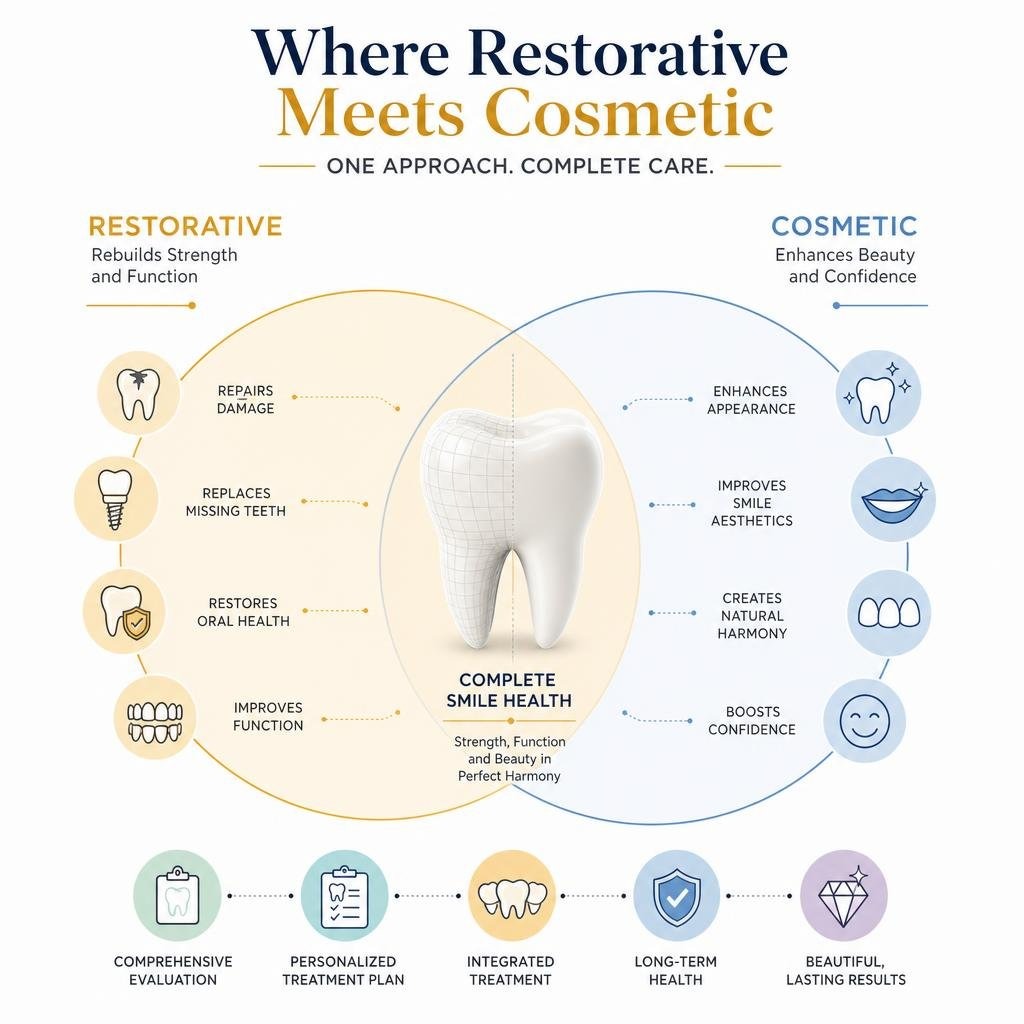
Comprehensive restorative and cosmetic dentistry represents a holistic approach to oral health, focusing on the complete rehabilitation of the mouth. Unlike treatments that address isolated issues, this discipline considers the entire oral system—teeth, gums, jaw joints, and bite—to achieve optimal functional restoration, masticatory efficiency, and occlusal balance. The ultimate goal is structural rehabilitation, ensuring that the entire dental apparatus works harmoniously, is free from disease, and presents an aesthetically pleasing appearance.
This integrated approach is particularly vital for patients facing widespread dental issues, where a single procedure simply won’t suffice. It’s about building a stable, healthy foundation that supports both long-term oral health and the desired smile aesthetics. We understand that for many, this journey can seem daunting, but with careful planning and a patient-centered approach, the outcomes are truly life-changing.
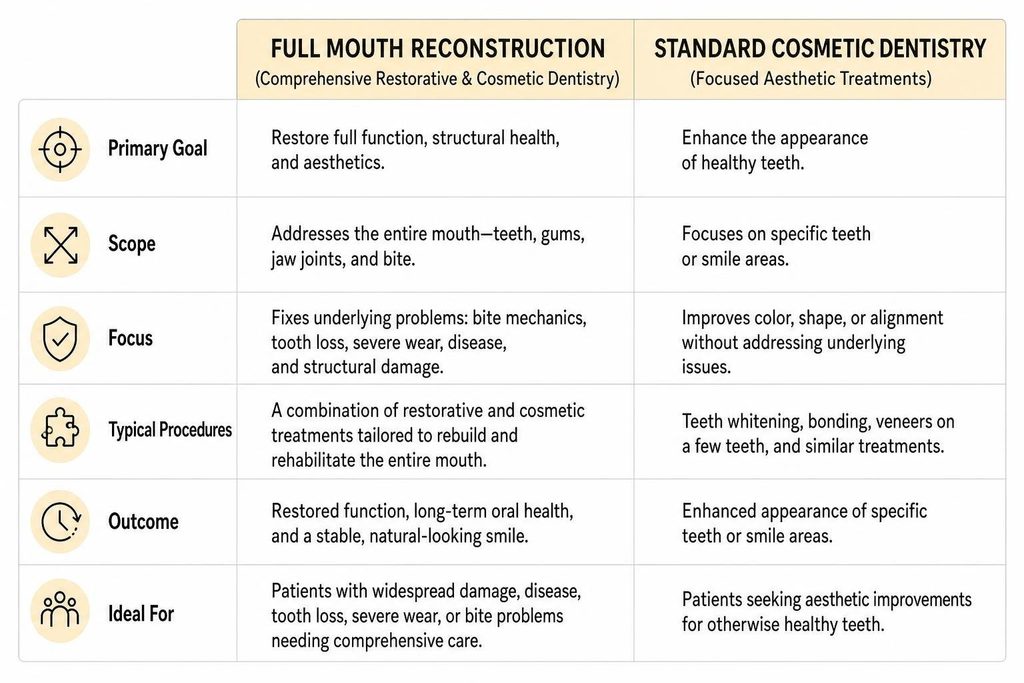
To clarify the scope, it’s helpful to understand how this comprehensive approach differs from more focused cosmetic interventions:
Structural Rehabilitation vs. Standard Cosmetic Dentistry
The distinction between structural rehabilitation and standard cosmetic dentistry lies primarily in their objectives and scope. Standard cosmetic dentistry often targets aesthetic improvements for otherwise healthy teeth. Procedures like teeth whitening, minor bonding, or veneers on a few front teeth are typical examples. While these treatments can dramatically enhance a smile’s appearance, they typically do not address underlying functional problems or widespread structural damage.
Structural rehabilitation, often referred to as full mouth reconstruction, delves much deeper. Its primary focus is on restoring the fundamental integrity and mechanics of the entire oral system. This means meticulously addressing bite mechanics, which are crucial for proper chewing and preventing excessive wear. A key component is often the correction of the vertical dimension—the height between the upper and lower jaws when the teeth are together. This dimension can be severely compromised by extensive tooth wear, especially from conditions like severe bruxism (teeth grinding), leading to a collapsed bite.
Our approach prioritizes occlusal stability, ensuring that forces are distributed evenly across all teeth, protecting them from further damage and preserving existing tooth structure. This foundational work is essential. Without it, purely cosmetic enhancements would be built on an unstable platform, likely leading to premature failure and continued oral health problems. The aim is not just to make teeth look good, but to ensure they function optimally, last for decades, and contribute to overall well-being.
Why Comprehensive Restorative and Cosmetic Dentistry Demands Multi-Disciplinary Care
The complexity of comprehensive restorative and cosmetic dentistry necessitates a multi-disciplinary team approach. No single dental specialist possesses all the expertise required to address the myriad issues that can arise in a full mouth rehabilitation case. This is why coordination between various specialists—such as prosthodontists, periodontists, endodontists, and oral surgeons—is not just beneficial, but often critical for successful outcomes.
Research published in the National Institutes of Health’s PubMed Central consistently indicates that prosthodontics demonstrates the highest treatment success rates among participating disciplines in multi-disciplinary full mouth rehabilitation. This highlights the prosthodontist’s pivotal role as the architect and lead coordinator of the entire treatment plan, ensuring that all components integrate seamlessly.
For instance, achieving long-term success often begins with ensuring optimal periodontal health. A periodontist will address gum disease, perform bone grafting if necessary, and prepare a healthy foundation for any future restorations. Endodontic stability, meaning the health of the tooth’s pulp, must also be secured, often through root canal therapy, before crowns or other restorations are placed. Oral surgeons may be involved for complex extractions or the placement of dental implants.
This interdisciplinary coordination ensures that each phase of treatment builds upon a stable foundation, leading to predictable and durable results. By having specialists collaborate closely, often within the same practice or a tightly integrated network, we can streamline care, minimize complications, and ultimately deliver a higher standard of treatment. This synergy allows us to tackle complex oral health challenges with confidence, knowing that every aspect of the patient’s care is managed by an expert in that specific field.
Candidacy and Diagnostic Indicators for Full Mouth Rehabilitation
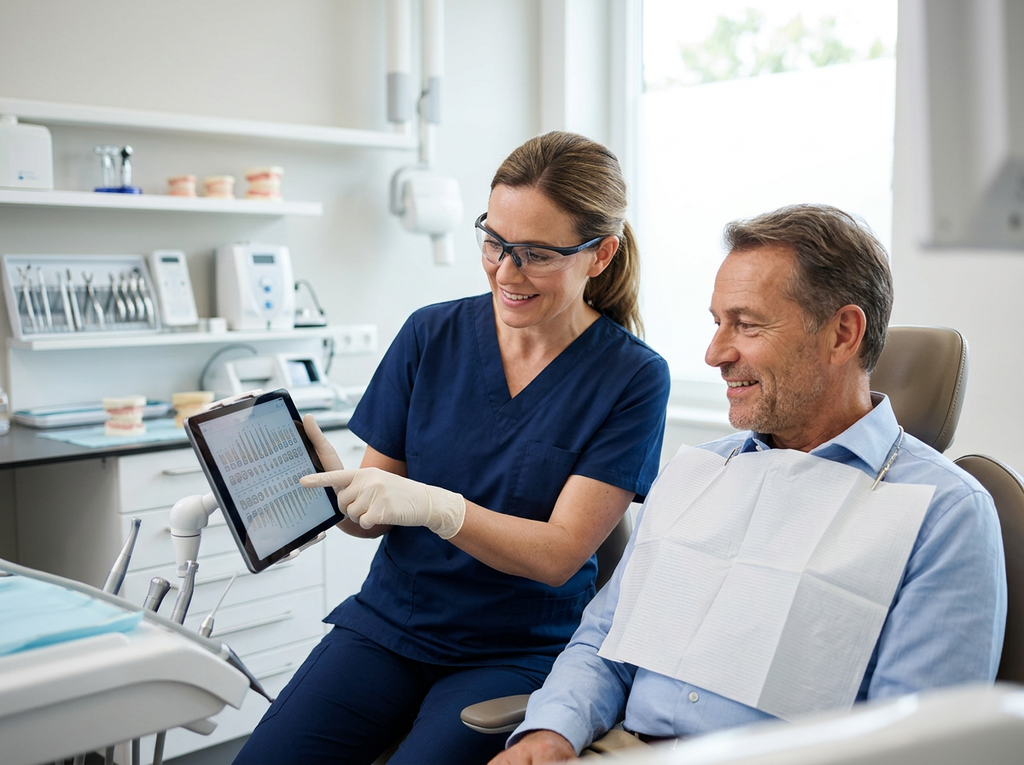
Determining candidacy for full mouth rehabilitation begins with a thorough and meticulous diagnostic process. This is not a one-size-fits-all treatment; rather, it is highly individualized, requiring a deep understanding of the patient’s unique oral health challenges. Our comprehensive diagnostic imaging, including advanced 3D scans and X-rays, provides invaluable insights into the underlying bone structure, nerve pathways, and the extent of any damage. This is complemented by a detailed clinical evaluation, where we assess everything from individual tooth health to the overall condition of the gums, bite, and jaw joints.
We meticulously examine for signs of enamel erosion, which can be a precursor to more significant structural issues, and carefully analyze jaw alignment to understand any discrepancies that might contribute to pain or dysfunction. The goal is to gather a complete picture of the patient’s oral health, enabling us to design a treatment plan that addresses both immediate concerns and long-term stability.
Identifying Severe Structural and Periodontal Breakdown
Patients who are candidates for full mouth reconstruction often present with a combination of severe structural and periodontal breakdown. This can manifest in various ways, including advanced tooth loss, where multiple teeth are missing or irreparable. When teeth are lost, the underlying alveolar bone, which supports the teeth, can begin to resorb, leading to changes in facial structure and further complications for future restorations.
Beyond tooth loss, we frequently encounter cases involving extensive damage to the remaining teeth. This can range from widespread severe decay that compromises the integrity of many teeth to systemic wear caused by chronic conditions like severe bruxism or acid erosion. Such wear can drastically reduce tooth height and alter the bite, leading to functional issues.
Furthermore, some individuals are born with congenital conditions that inherently compromise tooth structure, such as amelogenesis imperfecta or ectodermal dysplasia. These genetic disorders can result in underdeveloped or abnormally formed enamel and other dental tissues, requiring extensive restorative planning from an early age. Advanced periodontal disease, characterized by deep gum pockets and significant bone loss around the teeth, also plays a crucial role. Without addressing the foundational health of the gums and supporting bone, any restorative work would be built on an unstable base, destined for failure. Identifying these complex issues is the first step in charting a path toward comprehensive rehabilitation.
Clinical Signs and Symptoms Warranting Intervention
Beyond the visible signs of damage, patients often experience a range of clinical signs and symptoms that indicate the need for comprehensive intervention. One of the most common and debilitating is temporomandibular joint (TMJ) pain or dysfunction. When the bite is misaligned due to worn, missing, or improperly positioned teeth, it can place undue stress on the jaw joints, leading to chronic pain, clicking sounds, limited jaw movement, and headaches.
Another significant indicator is chronic mastication difficulty. Patients may find it challenging or painful to chew certain foods, leading to dietary restrictions and potentially impacting their nutritional intake. This difficulty often stems from an unstable or collapsed bite, where teeth no longer meet effectively.
Occlusal collapse refers to the loss of vertical dimension, where the teeth have worn down significantly, causing the bite to become “collapsed.” This can lead to a prematurely aged appearance, jaw pain, and further destruction of remaining tooth structure. Advanced dental decay, if left untreated across multiple teeth, can lead to widespread infection, pain, and the need for extensive restorative work. Finally, significant dental trauma, such as accidents that result in fractured or knocked-out teeth, can necessitate a comprehensive approach to restore both function and aesthetics. Recognizing these symptoms early can lead to more timely and effective treatment, preventing further deterioration of oral health.
Clinical Procedures and Technological Advancements
The journey through comprehensive restorative and cosmetic dentistry is a meticulously planned process, often guided by advanced prosthodontic planning. This involves not just addressing existing problems but also strategically designing a future-proof oral system. Modern dentistry leverages significant technological advancements to achieve predictable and superior outcomes. Digital workflows, for instance, have revolutionized how we diagnose, plan, and execute complex cases, enhancing precision and efficiency at every stage.
From initial diagnostic scans to the final placement of restorations, technology plays an integral role. It allows for detailed visualization, accurate measurements, and seamless communication among the interdisciplinary treatment team. This integrated approach ensures that every specialist involved, from the periodontist to the implant surgeon, is working from the same precise blueprint. For those seeking advanced solutions in areas like implant placement and aesthetic reconstruction, resources like advanced implant and cosmetic reconstruction can provide further insights into the cutting-edge techniques available today.
Core Procedures in Comprehensive Restorative and Cosmetic Dentistry
A full mouth reconstruction plan typically integrates a variety of core procedures, each selected to address specific aspects of a patient’s oral health needs. The sequencing and combination of these procedures are highly individualized:
- Dental Implants and Bone Grafting: For missing teeth, dental implants are often the gold standard. These titanium posts are surgically placed into the jawbone, acting as artificial tooth roots. If there isn’t enough bone to support an implant due to resorption, bone grafting procedures are performed to rebuild the necessary foundation.
- Periodontal Surgery: Healthy gums are paramount. Periodontal surgery may be required to treat advanced gum disease, reduce pocket depths, or reshape gum tissue to create a more aesthetic and stable foundation for restorations.
- Root Canal Therapy: When a tooth’s pulp (nerve) becomes infected or inflamed, root canal therapy is performed to save the tooth, eliminating pain and preventing further infection before a crown is placed.
- Porcelain Crowns: These custom-made caps are placed over damaged or weakened teeth to restore their shape, size, strength, and appearance. They are crucial for teeth that have undergone root canal therapy or have extensive decay.
- Cosmetic Veneers: While often associated with purely cosmetic enhancements, veneers can be part of a comprehensive plan to correct minor alignment issues, improve tooth shape, or mask severe discoloration once the underlying structural issues are resolved.
The selection of these procedures is always part of a cohesive strategy, ensuring that each step contributes to the overall stability, function, and aesthetic harmony of the reconstructed smile.
The Role of In-House Dental Laboratories and Digital Workflows
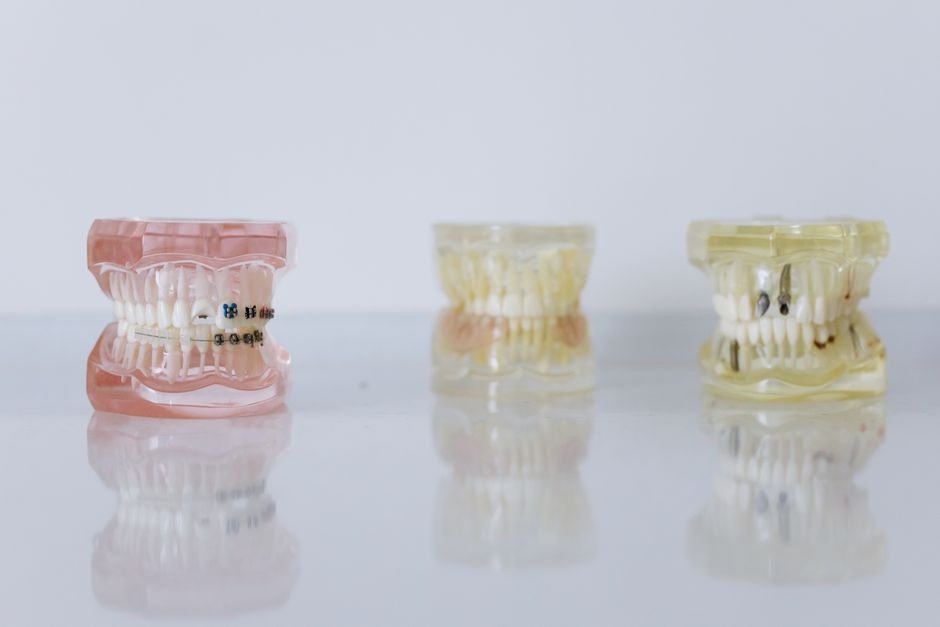
The presence of an in-house dental laboratory significantly elevates the quality and efficiency of restorative care, particularly in complex cases. This direct integration allows for unparalleled collaboration between the dentist, the patient, and the dental ceramist. Instead of sending impressions to an external lab, which can introduce delays and communication challenges, an in-house facility enables immediate consultation and adjustments.
Modern in-house labs are equipped with state-of-the-art digital workflows. This often begins with intraoral scanning, which replaces traditional, often uncomfortable, physical impressions with highly accurate 3D digital models of the patient’s mouth. These digital models are then used for CAD/CAM (Computer-Aided Design/Computer-Aided Manufacturing) fabrication of restorations. This technology allows for the precise design and milling of crowns, bridges, veneers, and even implant components from high-quality materials right on-site.
The benefits are numerous:
- Precision and Customization: Digital design ensures an exact fit and allows for intricate customization, including custom shading to perfectly match existing teeth or achieve a desired aesthetic.
- Efficiency and Turnaround Time: With an in-house lab, the time from preparation to placement is dramatically reduced. This means fewer appointments for the patient and a faster completion of treatment phases, especially for provisional restorations which are critical for protecting prepared teeth and allowing patients to function during the healing process.
- Quality Control: Direct oversight by the dental team ensures that every restoration meets the highest standards of quality and aesthetic appeal. Any necessary adjustments can be made immediately, optimizing the final outcome.
This seamless integration of technology and expertise provides a level of control and personalization that is difficult to achieve through traditional methods, ultimately enhancing the patient experience and the longevity of their restorations.
Frequently Asked Questions About Full Mouth Rehabilitation
Patients often have many questions when considering comprehensive restorative and cosmetic dentistry, given its extensive nature. Here, we address some of the most common inquiries to provide greater clarity.
How does full mouth reconstruction differ from smile makeover procedures?
The fundamental difference between full mouth reconstruction and a smile makeover lies in their primary objectives and scope. A smile makeover is predominantly an elective cosmetic procedure aimed at improving the aesthetics of the smile. It might involve teeth whitening, veneers, or minor orthodontic adjustments to enhance appearance, assuming the underlying oral health is sound. The focus is on the visual appeal—the shape, color, size, and alignment of teeth within the “smile zone.”
Full mouth reconstruction, on the other hand, is a medically necessary procedure that addresses widespread damage, disease, or functional issues throughout the entire mouth. Its core goals are functional foundation, bite height correction, disease eradication, and ensuring structural longevity. This means rebuilding the entire oral system, including the teeth, gums, and jaw. For example, if a patient has severe wear due to bruxism, a full mouth reconstruction would first focus on correcting the bite and restoring the lost vertical dimension, then addressing the damaged teeth with crowns or other restorations. While aesthetics are certainly a positive outcome, they are secondary to restoring health, function, and stability. It’s about ensuring the mouth can properly chew, speak, and last for many years to come, rather than just looking good.
Who is an ideal candidate for full mouth dental restoration?
An ideal candidate for full mouth dental restoration is someone experiencing significant, widespread oral health problems that affect both function and aesthetics. This typically includes individuals with:
- Multiple Missing Teeth: Whether due to decay, trauma, or gum disease, extensive tooth loss severely impacts chewing ability, speech, and can lead to bone loss in the jaw.
- Extensive Decay: Patients with widespread cavities that have compromised the structural integrity of many teeth, often requiring multiple fillings, crowns, or even extractions.
- Severe Bruxism Damage: Chronic teeth grinding can lead to significant enamel wear, fractured teeth, a collapsed bite, and even TMJ pain. Reconstruction aims to restore lost tooth structure and stabilize the bite.
- Congenital Structural Anomalies: Individuals born with conditions like amelogenesis imperfecta or ectodermal dysplasia, which result in poorly formed or missing teeth, often require comprehensive restoration to achieve normal function and appearance.
- Advanced Periodontal Disease: While periodontal treatment is the first step, patients who have lost significant bone support and require extensive rehabilitation to save remaining teeth or prepare for implants are also strong candidates.
- Chronic Jaw Pain or TMJ Disorders: When these issues stem from a misaligned or unstable bite, full mouth reconstruction can often provide relief by correcting the underlying occlusal problems.
Essentially, anyone whose oral health issues are too extensive for isolated treatments and significantly impact their quality of life, chewing ability, or overall health could be an ideal candidate.
What role do prosthodontists play in multi-specialty dental reconstruction?
Prosthodontists play a central and indispensable role in multi-specialty dental reconstruction, often serving as the “architect” and lead coordinator of the entire treatment plan. Their advanced training focuses specifically on the restoration and replacement of teeth, making them experts in treatment architecture and biomechanical engineering of the oral system.
The prosthodontist’s responsibilities include:
- Comprehensive Diagnosis and Treatment Planning: They conduct the initial thorough evaluation, interpret diagnostic data, and develop the overarching treatment strategy, integrating the input from other specialists. They essentially create the master blueprint for the entire rehabilitation.
- Bite and Occlusion Expertise: Prosthodontists are highly skilled in analyzing and correcting bite problems (occlusion), ensuring that the reconstructed bite is stable, comfortable, and functional, preventing future wear and pain.
- Design and Fabrication of Restorations: They oversee the design and placement of all major restorations, such as crowns, bridges, veneers, dentures, and implant-supported prostheses, ensuring they fit precisely, function correctly, and look natural.
- Coordination of Specialists: They act as the central point of contact, coordinating the efforts of periodontists (for gum health), endodontists (for root canals), oral surgeons (for extractions or implant placement), and other specialists, ensuring seamless transitions between different phases of treatment.
- Long-term Maintenance Planning: They also guide patients on post-treatment care and maintenance protocols to ensure the longevity of their new smile.
As noted by NIH PubMed Central research, prosthodontics demonstrates the highest treatment success rates in complex rehabilitation, underscoring their critical expertise in managing these intricate cases. Their holistic perspective ensures that all components of the oral system work together harmoniously, leading to successful and lasting outcomes for patients undergoing complex rehabilitation.
Conclusion
Comprehensive restorative and cosmetic dentistry offers a profound pathway to holistic oral health, extending far beyond superficial aesthetic improvements. It is a commitment to restoring the fundamental integrity of the mouth, ensuring optimal masticatory rehabilitation, and achieving a harmonious balance between function and aesthetic appeal. For individuals facing extensive dental challenges, this integrated, multi-specialty approach can be truly life-changing, transforming not just their smile, but their ability to eat, speak, and live with renewed confidence.
As we’ve seen, the meticulous planning, advanced procedures, and collaborative expertise involved are designed to address the root causes of dental problems, providing durable and predictable results. However, the journey doesn’t end with the completion of treatment. Lifelong maintenance protocols are essential to protect this significant investment in oral health. Regular check-ups, diligent home care, and ongoing professional cleanings are crucial for preserving the longevity of your restored smile and ensuring sustained well-being for decades to come. Embracing comprehensive care is an investment in a healthier, happier future.