Living with missing, failing, or painful teeth can wear you down. For years, implant treatment meant a long wait: months of healing, temporary dentures, and repeated appointments. Immediate loading dental implants have changed that.
So, can you get fixed teeth in one day? Yes, for the right patient, in the right hands. Here is what to understand before you decide.
What Is Immediate Loading?
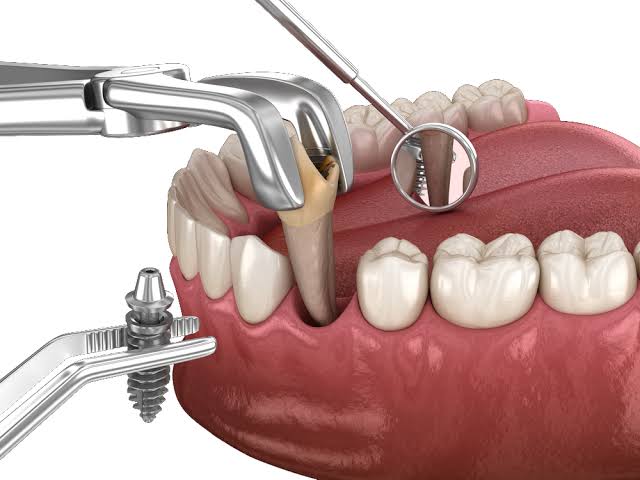
A dental implant is a titanium post placed in the jawbone to act as an artificial tooth root. Traditionally, it is left to fuse with the bone, a process called osseointegration, for three to six months before teeth are attached.
Immediate loading, often called “teeth in a day,” attaches a provisional set of teeth to the implants within hours. The teeth you receive on day one are provisional: designed to look natural and handle soft foods while the implants integrate. After healing, they are replaced with a final, custom-crafted prosthesis.
Occasionally, a final prosthesis is placed within a day or a few days of surgery, but long-term studies are still awaited to confirm how well this performs. As swollen gums heal and settle back to their normal level, a small gap can form between the gum and the prosthesis, where food gets trapped (food lodgement). For this reason, many clinicians prefer to wait until healing is complete before fitting the final teeth.
Immediate Placement vs. Immediate Loading
These terms are often confused, but they describe different things.
- Immediate implant placement: the implant is placed right after a tooth is extracted.
- Immediate loading: a temporary crown or bridge is attached to the implant shortly after placement.
An implant can be placed immediately after extraction without being suitable for immediate loading. Whether teeth can be attached the same day depends largely on how firmly the implant anchors in the bone.
How the One-Day Process Works
1. Comprehensive evaluation. Your oral and general health are assessed, usually with a 3D CBCT scan to measure bone density and map nerves and sinuses.
2. Digital planning. Implant positions and the design of your temporary teeth are planned in advance.
3. Implant placement. Hopeless teeth are removed if needed, and implants are placed, usually under local anaesthesia, with sedation options for anxious patients.
4. Provisional teeth fitted. If the implants are stable, a provisional set is secured the same day.
5. Healing and final restoration. Over the following months, the bone bonds with the implants, and your final teeth are then made and fitted.
The Real Benefits
A smile from day one. For patients facing extractions, never having to go without teeth is a significant emotional benefit.
Fewer procedures. In suitable cases, extraction and implant placement can happen in a single visit.
Helps maintain jawbone function. Dental implants transfer functional forces to the surrounding bone, helping maintain bone around the implant. However, they cannot completely prevent the natural bone changes that follow tooth loss.
Greater comfort. Fixed teeth eliminate the inconvenience of removable dentures slipping or moving. Most patients gradually adapt to speaking and smiling with their new restorations.
A shorter-feeling journey. Provisional teeth are placed early, even though biological healing still takes its time.
Who Is a Good Candidate?
Suitability is always individual. Favourable factors include:
- Adequate bone volume and density, for strong initial (primary) stability
- Healthy gums, with any active gum disease treated first
- Well-controlled general health. Conditions such as diabetes do not automatically rule out immediate loading, but they require careful planning
- Commitment to aftercare
Some factors call for extra caution: severe bone loss, uncontrolled systemic illness, teeth grinding (bruxism), and smoking. Smoking raises the risk of complications, but its impact varies, so each patient is assessed on their own circumstances. In some cases, a staged approach or bone grafting first offers better predictability. A delayed protocol isn’t a failure; it is often simply the safer route.
How is immediate loading possible?
It depends on primary stability. Thread designs of implant systems such as NobelActive®, NobelSpeedy®, and Straumann® BLX Implant Systems grip the bone firmly and provide the required torque, so where adequate bone is available, the implant can safely support temporary teeth from day one.
Clearing Up Common Myths
“It’s painful.” Procedures are performed under anaesthesia, and most patients describe the aftermath as manageable discomfort controlled with prescribed medication. Mild swelling and bruising for a few days are normal.
“The teeth look fake.” Modern prosthetics are designed to match your facial features, bite, and natural shade.
“Same-day means no healing needed.” The implants still need months to integrate. The speed lies in getting teeth sooner, not in skipping biology.
“Implants only last a few years.” With good care and regular check-ups, implant survival rates are high, and many implants function for decades. But longevity is not guaranteed, and implant survival differs from restoration longevity: the crown or bridge may need maintenance or replacement even when the implant itself remains stable.
Aftercare: Protecting Your Investment
- Eat soft foods and avoid hard, sticky, or crunchy items while healing
- Maintain meticulous oral hygiene, including prescribed rinses
- Avoid smoking, which raises the risk of implant failure
- Attend every review appointment so issues are caught early
- Use a night guard if you grind your teeth
Why the Clinician Matters More Than the Technique
Immediate loading is technique-sensitive. Success depends on accurate diagnosis, precise planning, and sound judgment about when same-day teeth are appropriate. Patients are wise to look beyond the promise of speed and ask how many such cases a surgeon has handled, whether a 3D scan is done, and what happens if the implants don’t achieve enough stability on the day.
At FMS Dental, immediate loading is carried out by a dedicated team of implantologists led by senior implantologist Dr. Shailaja Reddy, who has advanced training in complex reconstructive cases. Planning is supported by CBCT scanning, digital smile design software, and an in-house dental laboratory, which allow implant positions and provisional teeth to be prepared with care before surgery. Same-day fixed teeth are recommended only when bone quality and implant stability are favourable. Where a phased approach offers better predictability, that option is discussed openly with the patient. In complex implant rehabilitation, this emphasis on case selection matters as much as the technology itself.
Questions to Ask Before You Decide
- Am I a suitable candidate for immediate loading, based on a 3D scan?
- What is the backup plan if immediate loading isn’t possible?
- What will my final restoration look like, and what are the total costs?
- What follow-up and maintenance schedule do you recommend?
A clinic that answers these openly is one that puts your long-term outcome first.
The Bottom Line
Immediate loading dental implants can give you fixed, functional, natural-looking teeth in a single day. But the best results come from careful selection, expert planning, and disciplined aftercare, not speed alone.
If you’ve been considering implants, the most useful next step is a consultation that includes a proper scan and an honest assessment. Whether you suit same-day teeth or a phased plan, the goal is the same: a smile that works beautifully today and still does years from now.
Individual results vary. Suitability for immediate loading can only be determined after a clinical examination and imaging.