The Transparent Truth: Foods for Your Clear Liquid Diet
Facing a clear liquid diet can feel restrictive and confusing, often sparking questions about what’s truly allowed. Yet, understanding and adhering to this temporary dietary adjustment is a crucial step for various medical procedures and recovery periods. It’s designed to give your digestive system a vital rest, ensuring processes like colonoscopies are effective or aiding your body’s healing.
In this comprehensive guide, we will demystify the clear liquid diet. We’ll explore its essential medical purposes, outline the specific foods and beverages you can safely consume, and highlight those you must strictly avoid. Our aim is to provide you with clear, actionable information, ensuring you are well-prepared and confident in following your healthcare provider’s instructions for a successful outcome.
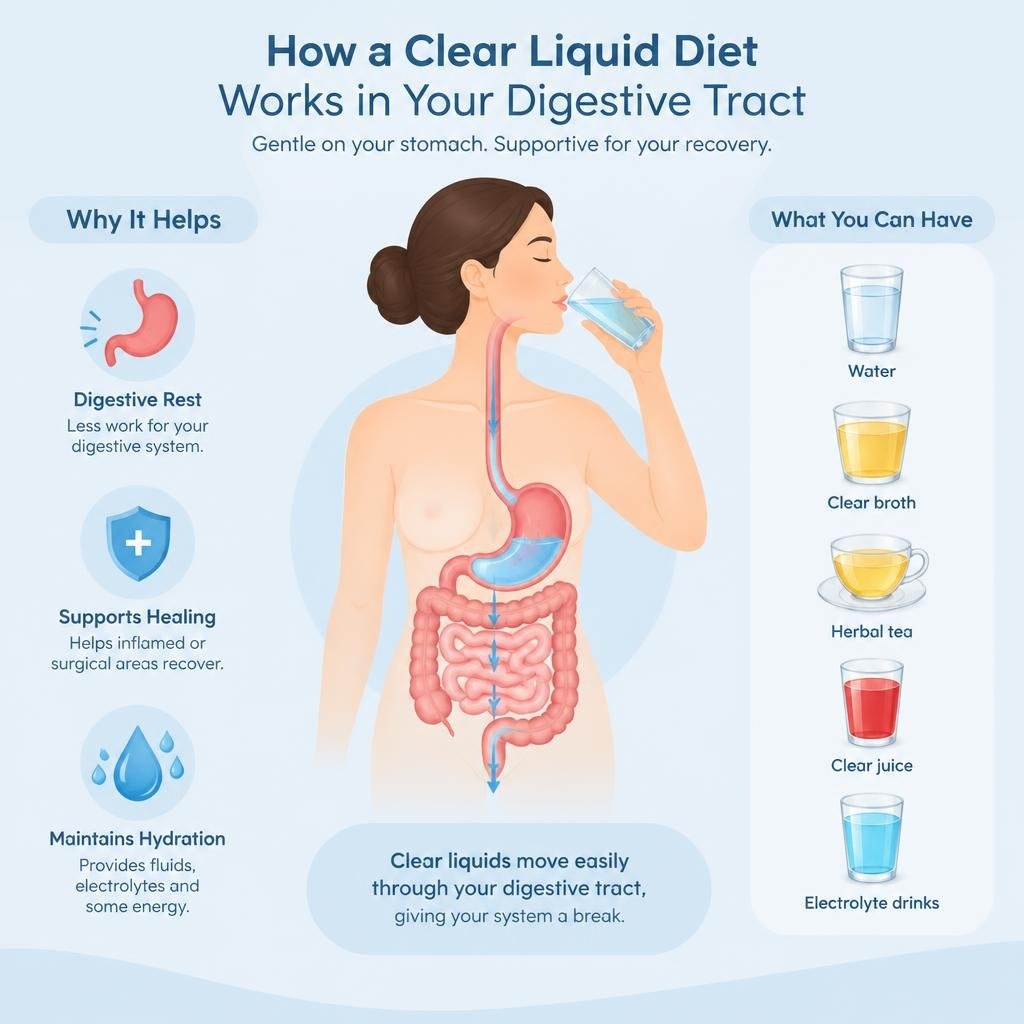
A clear liquid diet is a specialized dietary plan consisting solely of transparent liquids and foods that become liquid at room temperature. Its primary function is to provide the body with essential fluids, electrolytes, and some energy, all while minimizing the workload on the gastrointestinal tract. This approach allows the digestive system to rest and heal, making it an indispensable tool in various medical scenarios.
One of the key benefits is facilitating digestive rest. Conditions such as acute pancreatitis, diverticulitis, or gastritis can cause significant inflammation and discomfort. By consuming only clear liquids, we reduce the amount of solid waste and digestive effort, allowing the inflamed tissues to recover. Similarly, following post-operative healing, particularly after stomach or intestinal surgery, a clear liquid diet gently reintroduces nutrients without stressing the surgical site.
Beyond resting the gut, this diet is crucial for hydration maintenance and electrolyte balance. When we experience severe vomiting or diarrhea, our bodies rapidly lose fluids and vital electrolytes like sodium and potassium. Clear liquids, especially those fortified with electrolytes (like sports drinks or specific electrolyte solutions), help replenish these losses, preventing dehydration and maintaining critical bodily functions. This gentle absorption ensures that even a compromised digestive system can take in necessary nutrients.
Preparation for Endoscopy and Surgical Procedures
Perhaps the most common reason for a clear liquid diet is as a preparatory step for medical procedures. For instance, before a colonoscopy, a clear liquid diet is absolutely essential. The goal is to achieve a completely clean colon, free of any solid residue, to allow for optimal visualization clarity during the procedure. Without a clean colon, the endoscopist might miss polyps or other abnormalities, compromising polyp detection and the overall diagnostic accuracy. If the bowel residue is too significant, the procedure may need to be rescheduled, leading to inconvenience and delayed diagnosis. This diet ensures that the mucosal imaging is unobstructed, preventing procedure rescheduling and enabling a thorough examination.
Gastrointestinal Symptom Management
Beyond pre-procedure preparation, clear liquid diets are invaluable for managing acute gastrointestinal symptoms. When experiencing severe nausea or vomiting, consuming solid foods can exacerbate discomfort and lead to further fluid loss. Clear liquids are easier to tolerate and help settle the stomach, providing nausea relief and aiding in vomiting management. Similarly, for individuals suffering from acute diarrhea, a clear liquid diet helps slow down gut motility and prevents further fluid loss, allowing the digestive system to recover. The easily digestible nature of clear liquids ensures gentle absorption of nutrients, which is vital when the gut is irritated.
Approved GastroDoxs Clear Liquid Diet Foods and Beverages
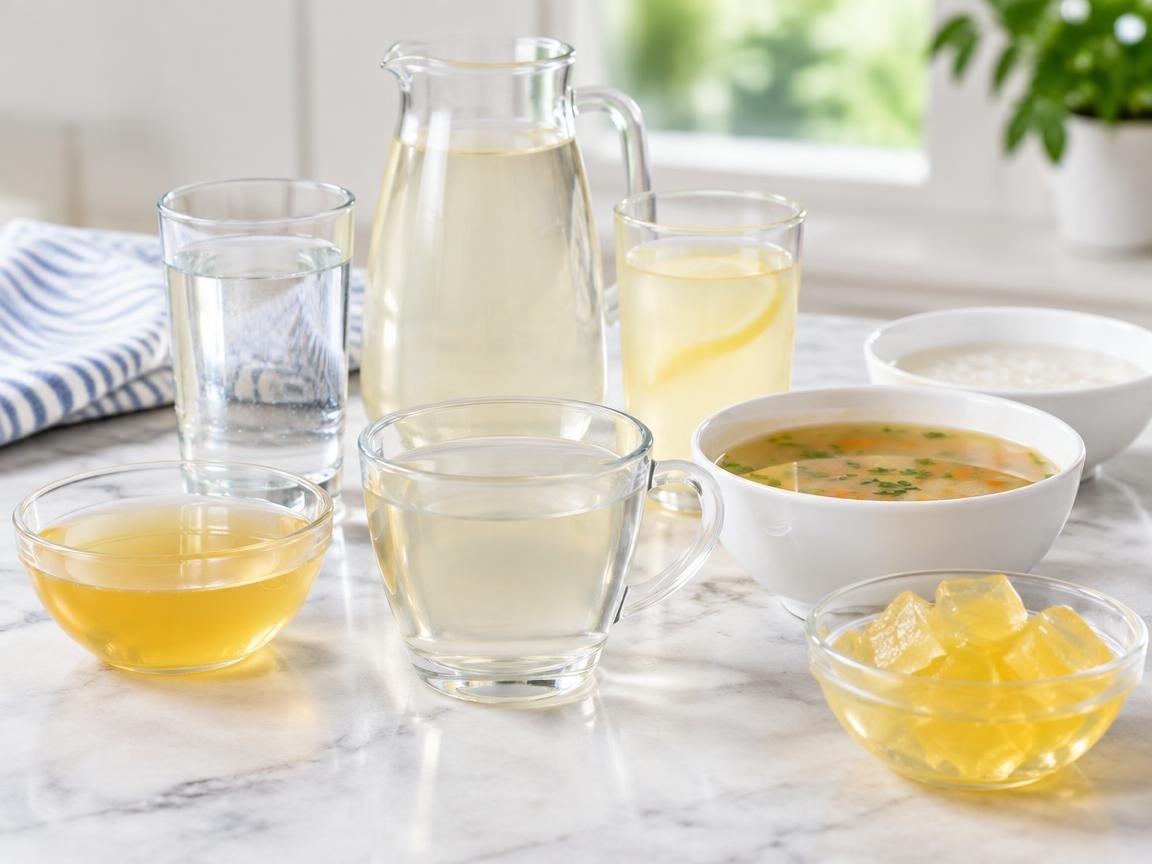
Navigating a clear liquid diet requires a precise understanding of what is permitted. The fundamental rule is transparency: if you can see through it, it’s generally allowed. This guideline applies even if the liquid has a slight color. The aim is to consume items that leave minimal or no residue in the digestive tract.
Essential GastroDoxs Clear Liquid Diet Foods for Colon Preparation
When preparing for procedures like a colonoscopy, strict adherence to specific clear liquid diet foods is paramount. According to GastroDoxs clear liquid diet foods, acceptable options typically include various transparent beverages. We can consume filtered apple juice, white grape juice, and white cranberry juice, ensuring they are entirely pulp-free. For those who enjoy carbonated drinks, clear sodas such as ginger ale and lemon-lime soda (like Sprite or 7-Up) are often permitted. Plain mineral water or bottled water is always a safe choice for hydration. The key is to avoid any juices with pulp, as these can leave residue and interfere with diagnostic clarity.
Broths, Electrolytes, and Hydration Sources
Staying hydrated and maintaining electrolyte balance is crucial on a clear liquid diet, especially since it’s often prescribed during periods of fluid loss or reduced intake. Clear, fat-free broths are excellent options. This includes chicken bouillon, beef consommé, and clear vegetable broth. Some guidelines also permit clear bone broth, provided it’s strained to remove any solids or fat particles. These broths offer valuable sodium and other minerals without contributing to digestive residue.
To further support electrolyte balance, especially if you’re experiencing significant fluid loss, sports drinks like Gatorade or Powerade (in clear or light colors) and dedicated electrolyte replacements (such as Pedialyte) are often recommended. These help with sodium replenishment and potassium balance, which are vital for preventing dehydration and maintaining bodily functions.
Clear Sweets, Gelatins, and Treats
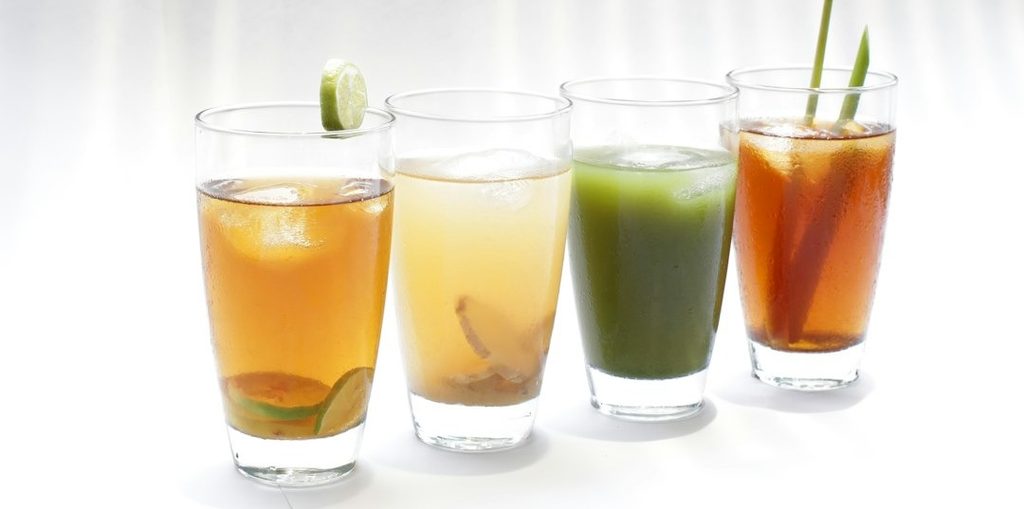
To help manage hunger and provide some energy, certain clear sweets and treats are typically allowed. Plain gelatin (like Jell-O), particularly in flavors such as lemon Jell-O or lime Jell-O, is a common choice. It’s important to ensure these do not contain any added fruit pieces or toppings. Pulp-free popsicles, Italian ice, and fruit ice are also generally permitted, as long as they are clear and don’t contain fruit bits or milk. Small amounts of hard candy, honey, or refined sugar can be used to sweeten approved beverages, offering a quick source of energy.
Foods, Dyes, and Substances to Strictly Avoid
Just as important as knowing what to consume is understanding what to avoid. The clear liquid diet is designed to be residue-free, meaning anything that could leave solid particles in the digestive tract or obscure medical imaging is strictly prohibited. This includes all solid foods, dairy products, and any opaque fluids or items that cause cloudiness. The presence of plant fibers or other solid matter creates a residue risk that can compromise the effectiveness of the diet’s purpose.
The Risk of Red, Purple, and Orange Food Colorings
A particularly important restriction, especially for procedures like colonoscopies, involves certain food colorings. We must strictly avoid artificial dyes such as red dye, purple coloring, and often orange. The reason for this is critical: these colors can leave a residue in the bowel that closely resembles blood, leading to blood mimicry. This mucosal staining can create visual artifacts during an examination, making it difficult for the physician to distinguish between actual bleeding or polyps and mere dye residue. This diagnostic interference can lead to misinterpretations or, worse, missed diagnoses.
Opaque Liquids, Dairy, and Solid Residues
Many common beverages and foods are prohibited due to their opacity or solid content. This includes any form of whole milk, creamers (dairy or non-dairy), and plant milks (almond, soy, oat, etc.). Juices with pulp or pulp nectars (like orange juice, prune juice, or tomato juice) are also disallowed. Cream-based soups, such as tomato soup or other cream soups, are not permitted.
Furthermore, alcoholic beverages, beer, or mixed drinks are typically forbidden. Even seemingly innocuous items like chewing gum can be restricted, as some types contain ingredients that can leave residue or stimulate digestive processes unnecessarily. The general rule is to avoid anything that is not transparent or contains any solid components, however small.
Clear Liquid vs. Full Liquid Diet: Key Differences
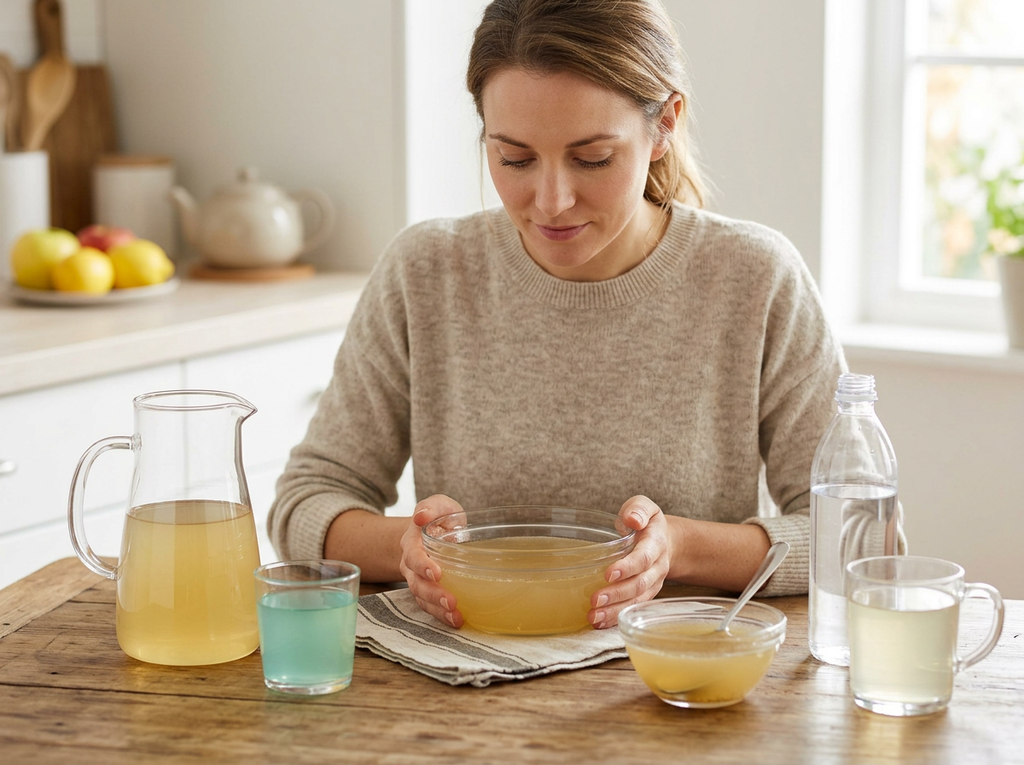
It’s common to confuse a clear liquid diet with a full liquid diet, but they serve different purposes and have distinct restrictions. The primary differentiator lies in the “transparency rule” and the types of foods allowed.
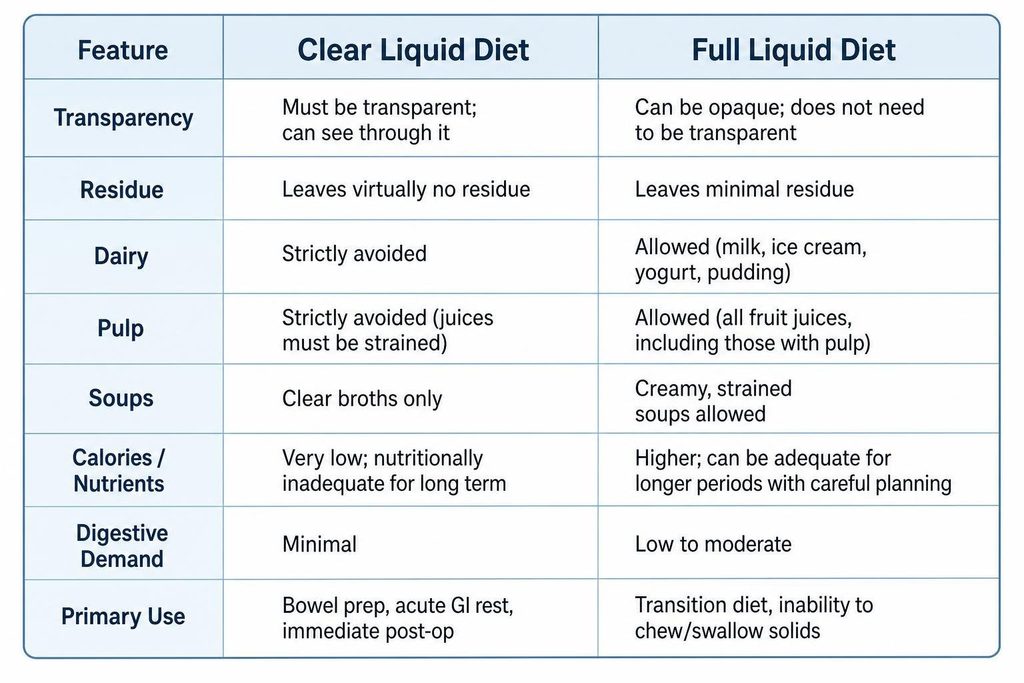
A clear liquid diet, as we’ve discussed, focuses on liquids you can see through, even if they are colored, and items that melt to a clear liquid at room temperature. Its main goal is to leave virtually no residue in the digestive tract, making it ideal for bowel preparation or severe digestive rest. The digestive demand is minimal, and its caloric density is very low, making it nutritionally inadequate for more than a few days.
A full liquid diet, on the other hand, is much less restrictive. It includes all items allowed on a clear liquid diet, plus opaque liquids and foods that become liquid at body temperature. This means it can include milk, milkshakes, creamy soups, strained cream of wheat, pudding, and all fruit juices (even with pulp). The caloric density is higher, and it provides more nutrients, making it a suitable transition diet from a clear liquid diet to solid foods, or for individuals who cannot chew or swallow solid foods but don’t require complete digestive rest.
Here’s a quick comparison:
Duration, Side Effects, and Patient Safety Protocols
A clear liquid diet is inherently a short-term intervention, typically prescribed for a very limited period due to its nutritional inadequacy. We must understand its limitations and potential risks to ensure patient safety.
Most healthcare providers emphasize that healthy individuals should not remain on this diet for more than three to four days. The diet cannot provide all the calories and nutrients our bodies need, making malnutrition risks a significant concern if prolonged. The three-day limit or similar short durations are crucial to prevent severe calorie deficits and potential starvation risk. If a clear liquid diet must be followed for longer, it should always be under strict clinical supervision, and modifications with supplements are often necessary.
Managing Nutrition with GastroDoxs Clear Liquid Diet Foods
Given the inherent nutritional limitations, managing hunger and energy levels on a clear liquid diet can be challenging. The diet provides minimal calories, leading to energy dips and potential fatigue. To combat malnutrition risks if the diet extends beyond a couple of days, or if a patient has specific needs, healthcare providers might recommend certain supplements. Options can include high-protein gelatin or specific clear protein drinks designed to be residue-free. These residue supplements help provide essential amino acids without compromising the diet’s purpose. We should always consult with our healthcare provider or a registered dietitian for personalized advice on managing hunger management and ensuring adequate nutrient intake within the diet’s constraints.
Blood Glucose Control for Diabetic Patients
For individuals with diabetes, following a clear liquid diet requires special attention and careful management to prevent complications. The diet, while low in overall calories, can still contain significant amounts of sugar from juices, sodas, and gelatin, potentially leading to fluctuations in blood glucose levels.
If we have diabetes, it is absolutely essential to discuss the clear liquid diet with our healthcare provider who helps manage our condition. They can provide specific instructions for diabetes management and will likely recommend frequent blood glucose monitoring. We may need medication adjustments, including changes to insulin dosages (insulin titration), to prevent both hyperglycemia (high blood sugar) and hypoglycemia prevention (low blood sugar), which can be particularly dangerous. Opting for sugar-free liquids and gelatin is often advised, and our provider might suggest specific sugar-free electrolyte solutions. Close medical coordination is vital throughout the duration of the diet.
Recognizing Complications and When to Contact a Doctor
While generally safe for short periods, a clear liquid diet can sometimes lead to side effects or complications. It’s crucial to be aware of these and know when to seek medical attention. We should contact our healthcare provider immediately if we experience:
- Severe cramping or persistent abdominal pain.
- Persistent dizziness or lightheadedness, which could indicate significant dehydration.
- Signs of severe dehydration, such as decreased urination, extreme thirst, or confusion.
- Uncontrolled blood sugar levels, especially for diabetic patients.
- Difficulty swallowing or if we have dysphagia, as some liquids might require dysphagia thickeners to ensure safe consumption. Our provider can advise on appropriate thickeners.
Any concerning symptoms warrant prompt physician notification to ensure our safety and adjust the dietary plan if necessary.
Sample Daily Meal Patterns for Liquid Fasting
While a clear liquid diet is restrictive, we can still plan our intake to maintain hydration and energy levels throughout the day. The goal is to distribute fluids and permitted items across several small “meals” or snacks. This meal scheduling helps manage hunger and thirst more effectively.
Here’s an example of a typical structured clear liquid daily meal plan:
- Breakfast Fluids (7:00 AM):1 cup (240ml) strained apple juice
- 1 cup (240ml) black coffee or plain tea (no milk/creamer, sugar/honey optional)
- 1 cup (240ml) water
- Mid-Morning Broths (10:00 AM):1 cup (240ml) clear chicken or beef broth
- 1/2 cup (120ml) lemon Jell-O
- Mid-Day Broths (1:00 PM):1 cup (240ml) clear vegetable broth
- 1 cup (240ml) ginger ale
- 1 cup (240ml) water
- Afternoon Gelatin (4:00 PM):1/2 cup (120ml) lime Jell-O
- 1 pulp-free popsicle (clear flavor)
- 1 cup (240ml) clear sports drink
- Evening Hydration (7:00 PM):1 cup (240ml) clear chicken broth
- 1 cup (240ml) white grape juice
- 1 cup (240ml) water
- Late-Evening (9:00 PM):1/2 cup (120ml) clear Italian ice
- 1 cup (240ml) water
This plan emphasizes variety rotation to prevent palate fatigue and ensure a balance of fluids, electrolytes, and some sugar for energy. Remember to adjust quantities and specific items based on your healthcare provider’s instructions.
Frequently Asked Questions About Clear Liquid Diets
We often encounter common questions when discussing clear liquid diets. Let’s address some of these to provide further clarity.
How do I know if a liquid is considered “clear”?
The simplest way to determine if a liquid is “clear” is by applying the transparency test. If you can read a newspaper through it, or if light can easily penetrate it, it’s generally considered clear. This is sometimes referred to as the “newspaper test.” The liquid can have color, as long as it’s transparent. For example, clear apple juice or a clear sports drink is acceptable, but orange juice with pulp is not. The liquid consistency should be thin, not thick like a smoothie or cream soup. Also, consider if it remains clear at room temperature; some items might be opaque when cold but melt to a clear liquid.
How long can a person safely stay on a clear liquid diet?
A clear liquid diet is designed for short-term use only. For most healthy individuals, the safe duration is typically three to four days. As discussed, it does not provide adequate calories, protein, vitamins, or minerals. Prolonged use can lead to nutritional depletion and significant health risks. If there’s a medical necessity for a longer duration, it must be under strict medical supervision, and the diet will likely be modified with supplementation requirements such as clear protein drinks or high-protein gelatin to mitigate risks. Always follow your healthcare provider’s specific instructions regarding the duration.
Can coffee or tea be consumed on a clear liquid diet?
Yes, black coffee and plain tea (including green tea and herbal teas) are generally permitted on a clear liquid diet. However, there are crucial restrictions. They must be consumed without any milk, cream, or non-dairy creamers, as these are opaque and contain solids. You can use small amounts of sweetener limits like sugar or honey if desired. The key is the complete milk restriction and creamer avoidance. Some guidelines may also suggest limiting caffeine intake, so it’s always best to confirm with your healthcare provider.
Conclusion
The clear liquid diet, though temporary and restrictive, is a vital medical tool that serves crucial purposes in preparing for procedures and aiding recovery from gastrointestinal issues. Our understanding and adherence importance to this diet directly impact the success of medical procedures and our overall well-being.
By carefully selecting GastroDoxs clear liquid diet foods and strictly avoiding prohibited items, we can ensure optimal results for diagnostic tests and promote effective healing. We’ve seen that while the diet provides essential hydration and some energy, its nutritional limitations necessitate short-term use and often require careful management, especially for individuals with conditions like diabetes.
As we transition away from a clear liquid diet, it’s equally important to follow our healthcare provider’s guidance for safe reintroduction of foods, moving towards a full liquid diet, and eventually a solid food transition. This gradual approach supports our digestive system’s return to normal function. Clinical compliance and open communication with our medical team are paramount for a safe and successful journey through a clear liquid diet.