The Role of Comprehensive Cancer Patient Care Navigation
Glioblastoma is a highly aggressive brain cancer. It brings unique and difficult challenges for patients and their families. They often face rapid health changes, complex medical decisions, and strong emotions. Navigating this journey, especially during the end-of-life phase, can feel overwhelming.
This is where patient care navigation plays a crucial role. We believe it is essential for providing continuous support and guidance. Effective navigation helps patients and their loved ones understand their options. It also ensures they receive the right care at every stage.
Our guide will explore how comprehensive care navigation makes a difference. We will discuss the specific needs of glioblastoma patients during end-of-life. This includes managing challenging symptoms and planning for the future. We will also cover how caregivers can be supported. Our aim is to show how navigation improves comfort and quality of life. It helps families achieve care that aligns with their wishes.
The landscape of cancer treatment has grown increasingly complex, particularly for aggressive diseases like glioblastoma. This complexity underscores the vital need for robust care coordination. Historically, patients and families often navigated their cancer journeys largely alone, leading to fragmented care, increased symptom burden, and higher rates of hospital readmissions. However, the advent of patient care navigation has transformed this experience, focusing on improving clinical outcomes, enhancing quality metrics, and promoting health equity across diverse patient populations.
Care navigation acts as a bridge, connecting patients to vital resources, simplifying intricate medical information, and ensuring seamless transitions between different phases of care. For glioblastoma patients, who often face a challenging prognosis of 10-15 months, the support offered through a robust system of comprehensive care navigation can be life-changing. It helps them understand treatment protocols, such as the Stupp protocol (radiotherapy plus temozolomide), which has been the standard of care since 2005. Beyond treatment, navigation proactively addresses the myriad non-medical barriers that can impede quality of life.
Core Domains of Supportive Assistance
Effective cancer care navigation adopts a holistic approach, recognizing that a patient’s well-being extends beyond medical treatment alone. Navigators address several core domains of supportive assistance:
- Physical Symptoms: Managing pain, fatigue, nausea, and other treatment-related side effects is paramount. Navigators ensure patients have access to appropriate symptom management strategies and specialists.
- Emotional Distress: A glioblastoma diagnosis can lead to significant anxiety, depression, and psychological distress for both patients and their families. Navigators connect individuals with counseling services, support groups, and mental health professionals.
- Financial Toxicity: The cost of cancer care can be astronomical. Navigators help identify financial assistance programs, pharmaceutical grants, and other resources to alleviate this burden.
- Social Work & Chaplaincy Services: Addressing social needs, facilitating family communication, and providing spiritual guidance are crucial. Navigators ensure access to social workers and chaplains who can offer existential and spiritual support.
- Nutritional Guidance: Maintaining adequate nutrition is often a challenge, especially with treatment side effects. Navigators can connect patients with dietitians for personalized nutritional plans.
Clinical versus Non-Clinical Navigation Roles
Cancer care navigation encompasses a spectrum of roles, each contributing uniquely to patient support. Nurse navigators, often registered nurses with oncology expertise, provide clinical guidance, educate patients on their disease and treatment, and help manage side effects. They serve as a primary point of contact for medical questions and facilitate communication between patients and their healthcare providers.
Lay navigators, on the other hand, often have personal experience with cancer or come from the community they serve. They focus on practical support, barrier removal, and emotional encouragement. Both types of navigators play a crucial role in empowering patients, helping them understand their rights, access clinical trials when appropriate, and advocate for their needs within the healthcare system. Their combined efforts ensure that patients receive not only top-tier medical care but also the practical and emotional support necessary for navigating their complex journey.
Navigating Complex Neurological Malignancies and Glioblastoma
Glioblastoma, the most common malignant primary brain tumor in adults, presents a unique set of challenges that differentiate its end-of-life trajectory from many other cancers. Unlike systemic cancers that might involve a gradual multi-organ failure, glioblastoma directly impacts the central nervous system, leading to rapid and often unpredictable functional decline. This necessitates a highly specialized approach to care navigation.
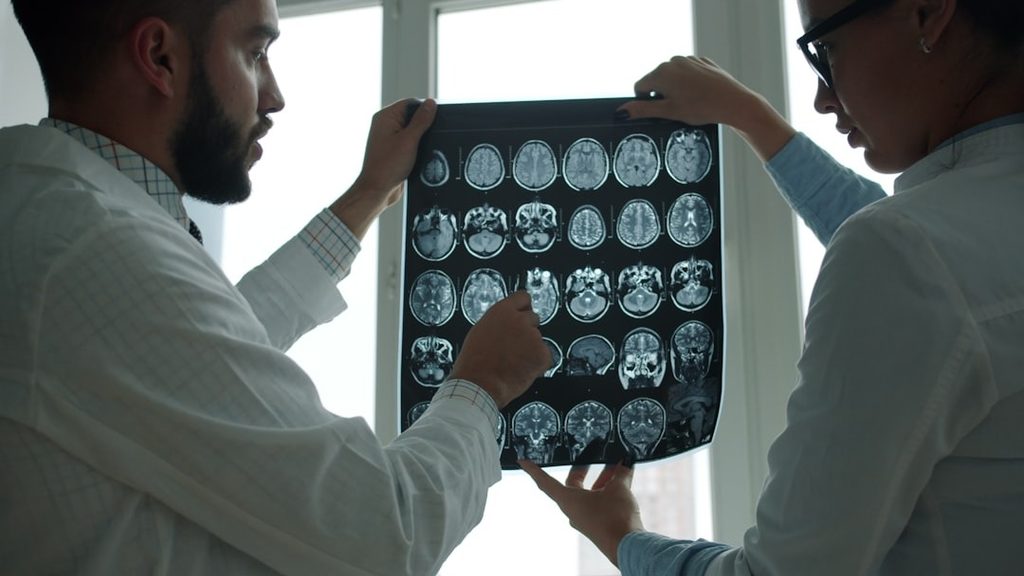
The aggressive disease trajectory of glioblastoma means patients often experience significant neurological symptoms such as increased intracranial pressure, severe headaches, and seizures. Functional decline, measured by tools like the Karnofsky Performance Status (KPS), can be swift, impacting mobility, communication, and cognitive abilities. Navigators in this context must be adept at anticipating these changes and coordinating a multidisciplinary team to address them proactively.
Cancer Patient Care Navigation for Cognitive and Neurological Decline
A hallmark of glioblastoma is the progressive development of neurocognitive deficits, motor impairment, and communication difficulties like aphasia. These symptoms pose significant challenges for patients and caregivers alike. Care navigators play a critical role in:
- Cognitive Support: Helping families understand and adapt to changes in memory, judgment, and personality. They can suggest strategies for communication and decision-making as cognitive abilities decline.
- Motor Impairment Management: Coordinating physical and occupational therapy to maintain function for as long as possible, and assisting with equipment needs as mobility decreases. Only about 20% of glioblastoma patients remain fully independent in mobility during the final stage of life.
- Aphasia Management: Connecting patients with speech therapists and providing caregivers with techniques to facilitate communication when verbal abilities are affected.
- Seizure Prophylaxis and Management: Ensuring patients are on appropriate anticonvulsant medications and educating caregivers on how to manage seizures at home. Seizures affect up to 90% of patients during the disease course and up to 56% during the end-of-life phase.
- Dexamethasone Tapering: Guiding families through the careful process of tapering corticosteroids (like dexamethasone), which are used to reduce cerebral edema, while managing potential side effects.
- Dysphagia Screening: Proactively identifying swallowing difficulties (dysphagia affects up to 85% of patients in their final days) and coordinating dietary modifications or alternative feeding methods to prevent aspiration.
Multidisciplinary Team Coordination and Family Caregiver Support
The burden on family caregivers of glioblastoma patients is exceptionally high, often exceeding that seen in other cancers. Caregivers frequently report higher levels of anxiety, depression, and mental health vulnerability than the patients themselves, even before surgery. Navigators are crucial in coordinating the multidisciplinary team, which includes neuro-oncologists, palliative care specialists, social workers, physical therapists, and chaplains, to ensure comprehensive support.
Furthermore, navigators provide essential support to caregivers by:
- Addressing Caregiver Burnout and Psychological Distress: Offering emotional support, connecting them to counseling services, and facilitating support groups where they can share experiences and coping strategies.
- Facilitating Respite Care: Helping families find temporary relief from caregiving duties, which is vital for preventing exhaustion.
- Managing Role Reversal: Assisting families in adapting to the profound shifts in family dynamics and responsibilities that often occur as the patient’s functional status declines.
- Organizing Family Conferences: Ensuring clear communication between the medical team and the family, discussing prognosis, goals of care, and advance care planning.
- Coordinating Home Health Services: Arranging for nurses, aides, and therapists to provide care in the home, allowing patients to remain in a familiar and comfortable environment.
Advance Care Planning and Timely Palliative Integration
For glioblastoma patients, early engagement in advance care planning (ACP) and palliative care is not merely beneficial—it’s critical. The rapid and unpredictable cognitive decline associated with glioblastoma creates a narrow window for patients to actively participate in decisions about their future care. Unfortunately, many patients are referred to palliative care late in their disease trajectory; studies show 20% are referred only one week before death, and 59% within 30 days.
Integrating palliative care early, often concurrently with curative treatments, has been shown to improve quality of life for both patients and families. Specialized palliative care (SPC) is even associated with improved overall survival in glioblastoma patients. It also significantly reduces the likelihood of aggressive, non-beneficial interventions near the end of life.
Comparing Palliative Care vs. Hospice Care Models

Integrating Cancer Patient Care Navigation into Advance Care Planning
Navigators are instrumental in initiating and guiding advance care planning discussions. They understand that while healthcare providers often prefer to introduce ACP after chemoradiation (when cognitive function might be more stable), family members frequently wish for these conversations at diagnosis. Navigators can bridge this gap, ensuring that discussions happen while patients still retain decisional capacity.

Key aspects of navigator-supported ACP include:
- Assessing Decisional Capacity: Using tools like the MoCA or MMSE to ensure the patient can make informed decisions.
- Facilitating Advance Directives: Helping patients articulate their wishes regarding medical treatment, including documentation like living wills and durable power of attorney for healthcare (health care proxy).
- Using Structured Frameworks: Employing communication tools such as the REMAP framework (Reframe, Expect Emotion, Map Outpatient Values, Align with Values, Propose a Plan) or the Serious Illness Conversation Guide to ensure comprehensive and empathetic discussions.
- Identifying Essential Milestones: Navigators help families pinpoint critical moments for revisiting ACP, such as disease progression or significant functional decline.
Essential Advance Care Planning Milestones for Glioblastoma Patients:
- Initial Diagnosis: Discussing broad goals of care and identifying a healthcare proxy.
- Post-Chemoradiation: Detailed discussions about prognosis, quality of life priorities, and specific treatment preferences.
- Disease Progression/Recurrence: Re-evaluating goals, considering clinical trials, or shifting focus to comfort care.
- Significant Functional Decline: Addressing specific symptoms, location of death preferences, and end-of-life wishes.
- Caregiver Burnout: Ensuring caregiver needs are met and support systems are in place.
Transitioning from Curative Therapies to Hospice Care
As glioblastoma progresses, the focus of care often shifts from aggressive, disease-modifying treatments to comfort-focused end-of-life care. Navigators are crucial in orchestrating this delicate transition from curative therapies to hospice care. They help families understand when chemotherapy cessation is appropriate, particularly as studies show that chemotherapy administered close to death offers no survival benefit and can worsen quality of life.
Hospice care emphasizes comfort measures, symptom management, and emotional and spiritual support for the patient and family during the terminal phase. Most glioblastoma patients (94.7%) die with hospice or other comfort measures in place, with a significant majority (74.3%) dying either at home or in an inpatient hospice program. Navigators ensure that this transition is smooth, helping families access home hospice services, understand the benefits of comfort care, and prepare for the final weeks and days of life. This proactive planning is vital for achieving a dignified death aligned with the patient’s wishes.
Overcoming Clinical, Financial, and Logistical Barriers
Even with the best intentions, glioblastoma end-of-life care can be fraught with systemic hurdles, care gaps, and significant healthcare costs. Fragmented care, where different specialists operate in silos, often leaves patients and families feeling lost and overwhelmed. Navigators serve as essential coordinators, working to overcome these barriers and ensure a seamless, supportive experience.
Addressing Financial Toxicity and Resource Access
The financial burden of glioblastoma care is immense. Navigators play a critical role in alleviating financial toxicity by:
- Connecting to Copay Assistance Programs: Identifying organizations like the CancerCare Co-Payment Assistance Foundation, which can offer significant financial relief.
- Facilitating Transportation Programs: Arranging for free or discounted medical transportation, including volunteer pilot networks for long-distance travel.
- Locating Medical Lodging: Helping families find affordable accommodation near treatment centers when needed.
- Navigating Disability Benefits: Assisting with applications for Social Security Disability and other financial aid programs.
- Securing Utility Support: Connecting families to programs like LIHEAP (Low Income Home Energy Assistance Program) to help with household expenses.
- Accessing Pharmaceutical Grants: Identifying programs that provide assistance with medication costs.
Mitigating the Culture of Shared Avoidance in Oncology
One significant barrier to timely end-of-life planning is what has been termed the “culture of shared avoidance” within healthcare teams. This occurs when providers, fearing they might diminish hope or cause distress, assume another specialist will initiate difficult conversations about prognosis and end-of-life care. This collective hesitation leads to missed opportunities for proactive communication and timely intervention.
Care navigators are uniquely positioned to mitigate this by:
- Promoting Proactive Communication: Encouraging early, open, and honest discussions about prognosis and goals of care.
- Facilitating Serious Illness Conversations: Guiding both patients and providers through these sensitive discussions, ensuring prognostic clarity.
- Empowering Patients and Families: Helping them understand their options and express their wishes clearly.
- Ensuring Timely Intervention: Advocating for early palliative care referrals and ACP discussions, even when providers are hesitant.
By fostering an environment of open dialogue, navigators help ensure that patients’ wishes are heard and respected, leading to more goal-concordant care and reducing distress for families.
Frequently Asked Questions About Oncology Care Navigation
How does care navigation improve outcomes in aggressive cancers?
Care navigation significantly improves outcomes in aggressive cancers like glioblastoma by enhancing treatment adherence, facilitating early palliative care, reducing emergency room visits and hospitalizations, optimizing symptom control, and ultimately increasing patient and family satisfaction with care. Navigators ensure patients receive timely interventions and support, preventing crises and promoting a better quality of life throughout the disease trajectory.
When should a patient be assigned a care navigator?
Ideally, a patient should be assigned a care navigator at initial diagnosis. This early engagement is crucial for glioblastoma patients, given the rapid progression of the disease and potential for cognitive decline. Navigators can then support them through key stages, including the onset of chemoradiation, during disease recurrence, and throughout ongoing baseline assessments, ensuring continuous, coordinated support.
What is the difference between palliative navigation and hospice transition?
Palliative navigation focuses on providing comprehensive supportive care from diagnosis, often concurrently with curative treatments, to relieve symptoms and improve quality of life. It does not require a specific prognosis. Hospice transition, on the other hand, is a specific type of palliative care for patients in the terminal phase of their illness, typically with a prognosis of six months or less if the disease runs its natural course. Navigators facilitate both, ensuring patients receive concurrent care when appropriate and assisting with the seamless transition to comfort-focused hospice care when the time comes.
Conclusion
The journey through glioblastoma is undeniably challenging, marked by rapid changes and complex decisions. However, the presence of dedicated patient care navigation can profoundly transform this experience, particularly during the end-of-life phase. We have seen how navigators provide person-centered care, coordinating multidisciplinary teams, addressing the unique neurological challenges of glioblastoma, and ensuring timely integration of palliative care and advance care planning.
By mitigating financial burdens, overcoming communication barriers, and offering holistic support, care navigators empower patients to maintain autonomy and achieve a dignified end-of-life experience that aligns with their values and wishes. Their impact extends beyond the patient, providing invaluable support to family caregivers, reducing burnout, and fostering resilience. Comprehensive care navigation is not just a service; it is a lifeline that ensures no glioblastoma patient or family faces this difficult journey alone.