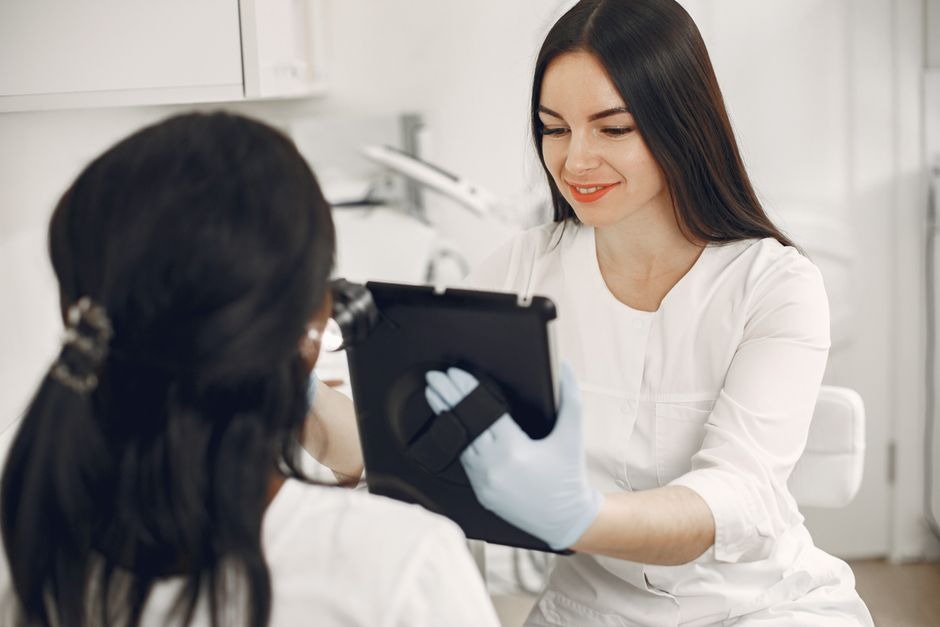
The landscape of facial aesthetics has transformed dramatically, moving beyond traditional surgical interventions to embrace a sophisticated array of non-invasive and minimally invasive treatments. These advanced procedures are designed to address a wide spectrum of skin concerns, from fine lines and wrinkles to volume loss, uneven texture, and laxity. Our approach emphasizes restoring natural balance and enhancing skin health.
Among the most popular non-invasive options are chemical peels, which use specialized solutions to exfoliate the skin’s surface, revealing smoother, more radiant skin underneath. Hydration treatments, often incorporating hyaluronic acid, are crucial for maintaining skin plumpness and elasticity. Laser treatments can target various issues, including pigmentation, redness, and fine lines, by stimulating collagen production and encouraging cellular turnover. For those seeking to improve skin quality and address concerns like acne scars, radiofrequency microneedling combines the benefits of microneedling with radiofrequency energy to promote significant collagen remodeling.
Minimally invasive treatments, particularly injectables, have become the cornerstone of modern facial aesthetics. These include neuromodulators like Botox and various dermal fillers.
Neuromodulators vs. Dermal Fillers: A Closer Look
Botox and dermal fillers, often considered the “gold standard” for wrinkle reduction and skin rejuvenation, operate through distinct mechanisms to achieve different, yet complementary, results. Understanding their differences is key to appreciating their applications:
Feature Neuromodulators (e.g., Botox) Dermal Fillers (e.g., Hyaluronic Acid) Mechanism Temporarily block nerve signals to muscles, relaxing them. Add volume, fill lines, and stimulate natural collagen production. Primary Use Address dynamic wrinkles caused by muscle movement. Address static wrinkles, volume loss, and contouring. Common Areas Forehead lines, frown lines (glabella), crow’s feet. Cheeks, lips, nasolabial folds, marionette lines, jawline, temples. Onset of Effect 3-7 days Immediate Duration Typically 3-4 months 6 months to 2 years, depending on type and area Main Ingredient Purified botulinum toxin type A Hyaluronic acid, calcium hydroxylapatite, poly-L-lactic acid, etc. Botox (Botulinum Toxin Type A) works by temporarily relaxing specific facial muscles responsible for dynamic wrinkles—those that appear with facial expressions like frowning, squinting, or smiling. By inhibiting muscle contractions, Botox smooths out these lines, leading to a more relaxed and refreshed appearance. Beyond just muscle relaxation, research indicates that botulinum toxin can also have biological effects that reduce matrix metalloproteinase (MMP) activity, stabilize collagen, and even decrease sebum production, contributing to overall skin health. In 2020, for instance, India saw 44,800 Botox procedures performed, highlighting its global popularity.
Dermal Fillers, particularly those made with hyaluronic acid (HA), are designed to restore lost volume, fill static wrinkles (those present even when the face is at rest), and enhance facial contours. Hyaluronic acid is a naturally occurring substance in our skin that attracts and holds water, providing hydration and plumpness. When injected, HA fillers not only physically fill space but also mechanically stretch fibroblasts, which are cells responsible for producing collagen and elastin. This stimulation of natural collagen synthesis and improved dermal elasticity contributes to longer-term skin rejuvenation. With an estimated 45,120 hyaluronic acid filler procedures performed in India in 2020, HA remains the most widely used dermal filler globally due to its excellent safety profile and minimal allergic potential.
Beyond injectables, maintaining optimal skin quality, hydration, and engaging in consistent maintenance treatments are paramount for achieving and sustaining the best outcomes. Regular professional skincare, including advanced facials and targeted treatments, plays a vital role in supporting the skin’s health and resilience, complementing the effects of medical aesthetic procedures. Our range of luxurious skincare and beauty treatments is designed to work synergistically with medical aesthetic procedures, ensuring your skin remains vibrant and healthy.
The “Beauty is Architecture” Framework: A Layered Approach to Rejuvenation
Facial aging is far from a superficial process; it’s a complex, multi-layered cascade of transformations affecting every level of our facial anatomy. This understanding underpins the “Beauty is Architecture” framework, which advocates for a comprehensive, layered approach to facial rejuvenation. Rather than merely treating surface wrinkles, this philosophy addresses the root structural causes of aging, leading to more natural, harmonious, and enduring results.
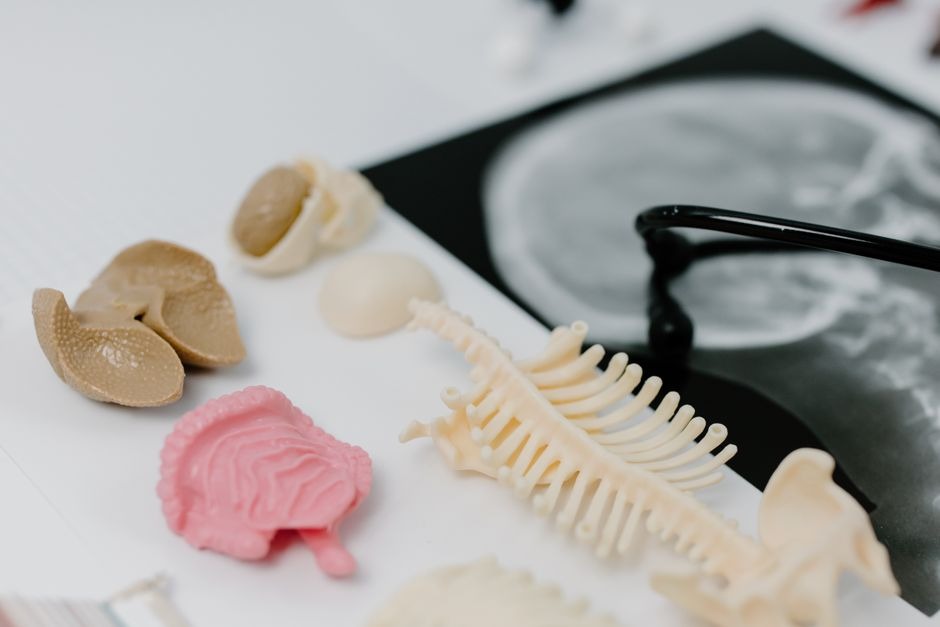
Imagine your face as a house. Just as a house requires a strong foundation before the walls and decor can be added, facial rejuvenation benefits from addressing the deepest structures first. The aging process involves:
- Bone Resorption and Remodeling: The skeletal foundation of the face undergoes changes, including orbital enlargement and maxillary retrusion, leading to a loss of underlying support.
- Ligament Laxity: The retaining ligaments that hold facial fat pads and skin in place weaken, allowing tissues to sag.
- Fat Pad Migration and Atrophy: Both superficial and deep fat compartments in the face change with age, leading to volume loss in some areas and descent in others.
- Muscle Hyperdynamics: Over time, repetitive muscle movements contribute to dynamic wrinkles.
- Dermal and Epidermal Degradation: The skin itself experiences a decline in collagen and elastin, leading to fine lines, wrinkles, and reduced elasticity.
A layered approach systematically targets these anatomical levels, often combining different modalities for synergistic effects. For instance, treatments might begin with addressing bone and retaining ligaments using specific types of dermal fillers to provide foundational support. Next, neuromodulators can modulate muscle activity, followed by restoring deep and superficial fat pads with fillers. Finally, energy-based devices and topical treatments can rejuvenate the dermis and improve overall skin quality.
One remarkable technology in this layered approach is Micro-Focused Ultrasound with Visualization (MFU-V), such as Ultherapy. This device delivers high-frequency ultrasound waves to precise depths (typically 3.0 mm and 4.5 mm), causing thermal injury that triggers collagen contraction and stimulates new collagen synthesis (neocollagenogenesis). What makes MFU-V particularly valuable is its real-time visualization capability, allowing providers to see the exact tissue layers they are treating. This ensures precise energy delivery to the collagen-rich layers, maximizing lifting and tightening while enhancing safety. Clinical studies have shown impressive results, with 93% of patients reporting improvements in the mid-face and lower face after micro-focused ultrasound treatment.
Combining treatments like MFU-V with fillers and neuromodulators in a single session creates a powerful synergy, yielding superior and more natural outcomes than any single treatment alone. This holistic strategy respects the complex interplay of facial structures, ensuring that rejuvenation efforts are comprehensive and long-lasting, much like the lasting results seen with expertly performed natural-looking facelifts that address underlying structural changes.
Modern Trends and the Shift Toward Non-Surgical Harmonization
The aesthetic industry is witnessing a significant paradigm shift, with a growing preference for non-surgical and minimally invasive procedures over traditional plastic surgery. This trend is driven by patient demand for less downtime, more natural-looking results, and the ability to achieve facial enhancements without the risks and recovery associated with surgery. The focus has moved from simply “rejuvenating” to “harmonizing” the face—achieving an age-appropriate, balanced, and natural look rather than trying to recreate a youthful ideal.
This shift is evident in the rising popularity of treatments that offer subtle yet impactful changes. For example, deoxycholic acid injections (Kybella) have revolutionized the treatment of submental fat, commonly known as a “double chin.” This injectable targets and destroys fat cells under the chin, leading to a more contoured neck and jawline. Clinical trials have demonstrated high efficacy, with over 70% of participants experiencing significant enhancement of the submental region after treatment.
Another area seeing substantial non-surgical innovation is rhinoplasty. Non-surgical rhinoplasty, using hyaluronic acid dermal fillers, offers a safe and effective way to reshape the nose, correct minor asymmetries, or improve profile without surgery. Patients and clinicians highly prefer this method due to its exceptionally low complication rates compared to surgical rhinoplasty. The satisfaction rates are remarkably high, with more than 90% of patients reporting positive outcomes.
Even procedures traditionally associated with surgery are finding non-surgical counterparts. While surgical blepharoplasty (eyelid surgery) remains a common procedure, ranking as the fourth most commonly done facial aesthetic surgical procedure in India with around 13,000 procedures performed in 2020, non-surgical options like energy-based devices and specific fillers are increasingly used to address concerns around the eyes, such as fine lines and hollowness.
The demand for non-surgical options extends to overall facial contouring and definition. Patients are increasingly seeking treatments that enhance features like the jawline and chin, often using dermal fillers to achieve a more balanced and refined appearance. This attention to overall facial harmony, rather than isolated features, is a hallmark of modern aesthetics. Even aspects of oral health and facial symmetry, often addressed by specialists in cosmetic and general dentistry, contribute to this holistic view of facial aesthetics, understanding that a beautiful smile is integral to overall facial harmony.

This evolution reflects a deeper understanding of facial anatomy and aging, coupled with advancements in product technology and injection techniques. Patients today are more informed and empowered, seeking providers who can deliver subtle, impactful results that respect their individual facial characteristics and contribute to their overall sense of confidence and well-being.
Choosing a Provider: Standards, Training, and Safety First
Embarking on a journey of facial aesthetic treatments requires careful consideration, especially when selecting a provider or medical spa. The rapid growth of the aesthetic industry means that while options are plentiful, standards can vary significantly. Ensuring your safety, achieving natural-looking results, and avoiding complications hinges on choosing a practice committed to evidence-based practice and rigorous oversight.
When evaluating a facial aesthetics practice, several critical factors should guide your decision:
1. Board-Certified Medical Leadership and Active Clinical Direction: The foundation of a reputable practice is its medical leadership. Look for a medical spa or clinic that operates under the active clinical direction of a board-certified physician, ideally a plastic surgeon or dermatologist. This means the medical director is not just a name on a plaque but is actively involved in overseeing patient care, training protocols, and treatment philosophy. Active clinical direction by a board-certified plastic surgeon, for instance, is far superior to passive oversight, ensuring that all procedures adhere to the highest medical standards.
2. Gold Standard Provider Training and Ongoing Education: The expertise of the individual performing your treatment is paramount. Inquire about the qualifications and training of the injectors and other aesthetic providers. Look for licensed medical professionals, such as Registered Nurses (RNs), Nurse Practitioners (NPs), or Physician Assistants (PAs), who have undergone rigorous, specialized training in aesthetic procedures. Credentials like Certified Aesthetic Nurse Specialist (CANS) indicate a high level of expertise in aesthetic nursing. Furthermore, a top-tier practice will emphasize continuous learning, with providers participating in quarterly ongoing education to stay abreast of the latest techniques, products, and safety protocols. This commitment to education ensures precision, safety, and the consistent delivery of high-quality results.
3. Safety First, Science-Led Approach: A credible practice prioritizes patient safety above all else. This translates into a conservative, patient-first approach to adopting new technologies and treatments. Rather than chasing every new trend, a science-led practice thoroughly evaluates new treatments through a medical lens, ensuring they are proven safe and effective before being offered to patients. This conservative approach to aesthetic innovation protects patients from unproven trends and potential complications. Ask if the treatments offered are evidence-based and clinically vetted.
4. Transparency and Patient Education: A good provider will take the time to educate you about the procedures, potential risks, expected outcomes, and alternative options. They should conduct a thorough consultation, assessing your individual needs and goals, and developing a personalized treatment plan. They should also discuss realistic expectations and the importance of a conservative approach to avoid over-treatment, which can lead to an unnatural or “done” look.
5. Cost Considerations: While cost should not be the sole determinant, it’s a practical factor. Prices for facial aesthetic procedures can vary widely. For example, a single Botox treatment might range from $300 to $600, while dermal fillers can range from $600 to $1,500 per syringe, depending on the product and area treated. Chemical peels might cost $100-$500 per session. These are general averages based on internet data in July 2026 and can fluctuate based on location, provider expertise, and product volume. Be wary of significantly discounted prices, as they might indicate less experienced providers or lower-quality products.
By meticulously vetting your provider based on these criteria, you can ensure that your aesthetic journey is not only effective in achieving your desired results but also safe and professionally managed.
Frequently Asked Questions about Facial Aesthetics
As interest in facial aesthetics and cosmetic treatments grows, so do the questions surrounding them. Here, we address some common inquiries to help you navigate this evolving field with confidence and clarity.
What is the difference between Botox and dermal fillers in facial aesthetics and cosmetic treatments?
The primary distinction lies in what they treat and how they work. Botox, a neuromodulator, targets dynamic wrinkles—those lines that appear with facial expressions like smiling, frowning, or squinting. It achieves this by temporarily relaxing the underlying muscles responsible for these movements. Common treatment areas include the forehead lines, frown lines between the eyebrows, and crow’s feet around the eyes. Results typically last 3-4 months.
Dermal fillers, on the other hand, are designed to address static wrinkles (lines visible even when your face is at rest) and restore lost volume. They literally “fill” areas that have lost fat or bone density due to aging, or enhance features like lips and cheeks. Most commonly, hyaluronic acid fillers are used, which not only add volume but also draw moisture to the skin, improving hydration and stimulating natural collagen production. Fillers can last anywhere from 6 months to over 2 years, depending on the type of filler and the treated area. Botox relaxes muscles to smooth lines, while fillers restore volume and structure.
How does a layered approach to facial aesthetics and cosmetic treatments improve results?
A layered approach is crucial because facial aging is a complex, multi-dimensional process that affects all anatomical layers—from the bone structure to the skin’s surface. Treating only one aspect, like surface wrinkles, without addressing deeper issues like bone resorption or ligament laxity, often leads to suboptimal or unnatural results.
This approach involves strategically combining different treatments to target specific layers. For example, deep fillers might restore foundational bone support, while other fillers replenish lost fat pads. Neuromodulators relax overactive muscles, and energy-based devices or skin treatments improve skin texture and elasticity. This synergistic combination ensures that the deep structural foundation is restored, muscles are modulated, volume is replenished, and superficial skin quality is enhanced. The result is a more harmonious, natural-looking rejuvenation that respects the face’s natural architecture and stimulates neocollagenogenesis (new collagen production) for lasting benefits.
What qualifications should I look for in an aesthetic provider?
Choosing a qualified provider is paramount for safe and effective facial aesthetic treatments. We recommend looking for a licensed medical professional, such as a board-certified physician (dermatologist or plastic surgeon), a Physician Assistant (PA), or a Registered Nurse (RN) with advanced training in aesthetics.
Key qualifications include:
- Board Certification: For physicians, board certification in a relevant specialty (e.g., dermatology, plastic surgery) indicates a high level of expertise and adherence to rigorous standards.
- Active Clinical Oversight: Ensure the practice operates under the direct and active supervision of a board-certified medical director who is regularly present and involved in patient care and training.
- Specialized Training and Certifications: Providers should have specific training in aesthetic injections and procedures, often evidenced by certifications like Certified Aesthetic Nurse Specialist (CANS).
- Ongoing Education: The field of aesthetics is constantly evolving. A reputable provider will commit to continuous learning and advanced training to stay current with the latest techniques and safety protocols.
- Evidence-Based Practice: The provider should base their treatment recommendations on scientific evidence and proven techniques, rather than unverified trends.
Always verify credentials, ask about their experience with the specific treatments you are considering, and review before-and-after photos of their work.
Conclusion
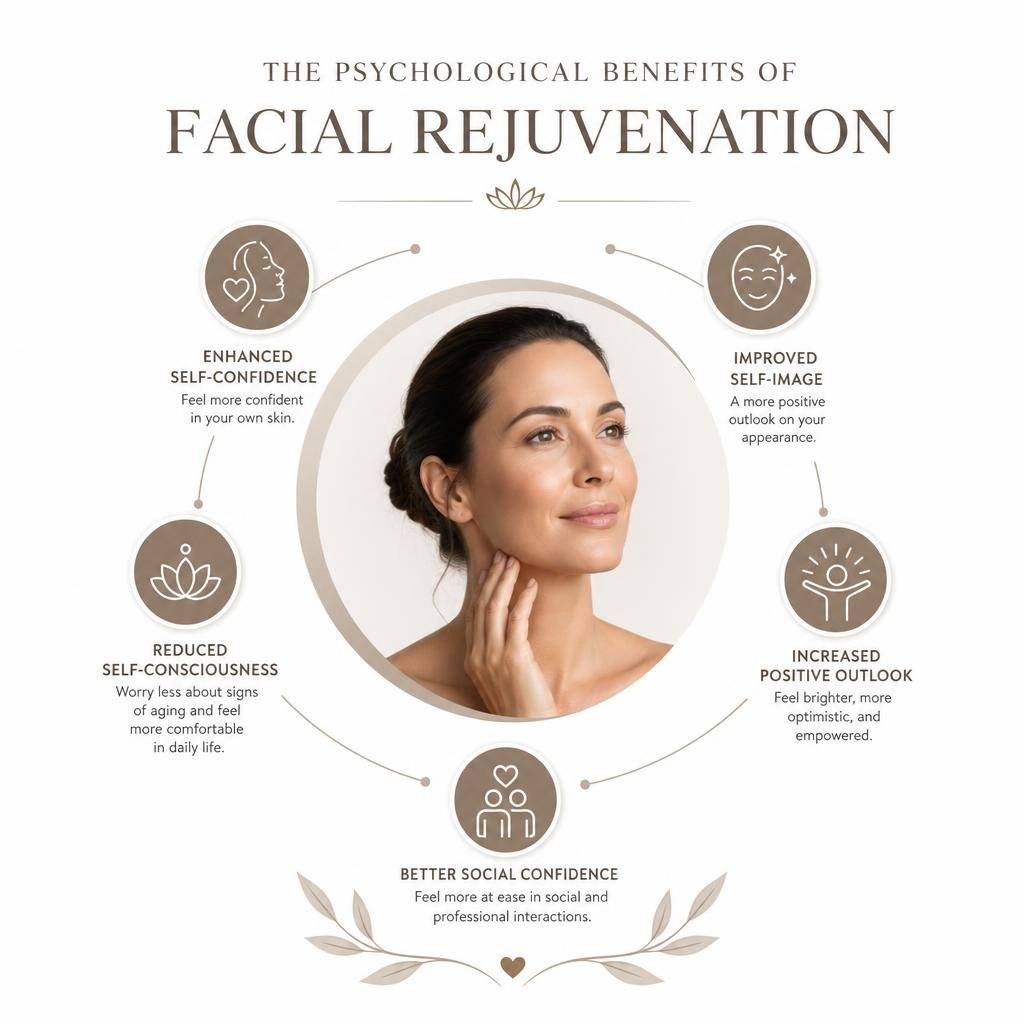
The journey through facial aesthetics and cosmetic treatments in July 2026 is one that blends advanced science with artistic precision. We’ve seen how non-invasive and minimally invasive options offer powerful solutions for a wide array of concerns, from dynamic wrinkles to volume loss and skin texture irregularities. The synergy between treatments like Botox and dermal fillers, coupled with the profound understanding of a layered, whole-face approach, allows us to achieve results that are not just aesthetically pleasing but also remarkably natural and harmonious.
Beyond the physical transformations, the true value of modern facial aesthetics lies in its ability to restore confidence and enhance psychological well-being. When conducted by highly qualified professionals, these treatments empower individuals to feel more aligned with their inner vitality, leading to improved self-perception and social confidence.
As you consider your own aesthetic journey, remember the importance of choosing a provider committed to the highest standards of safety, evidence-based practice, and continuous training. A practice with board-certified medical leadership and rigorous provider education ensures that your path to rejuvenation is both safe and leads to the natural-looking results you desire. By embracing holistic care, focusing on long-term maintenance, and partnering with trusted experts, you can confidently achieve and sustain optimal outcomes, truly enhancing your confidence from the inside out.