Introduction
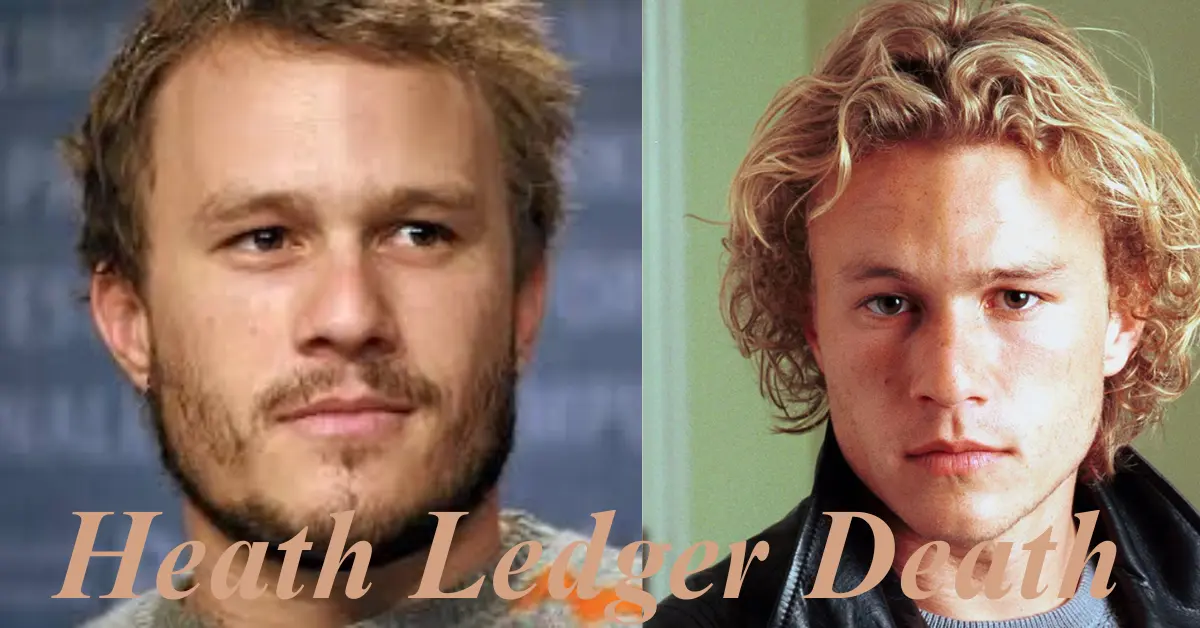
Heath Ledger was more than just a Hollywood heartthrob—he was a rare talent who transformed every role he touched. From his breakout performance in 10 Things I Hate About You to his Oscar-nominated turn in Brokeback Mountain, Ledger quickly became one of the most respected actors of his generation. But it was his haunting portrayal of the Joker in The Dark Knight that solidified his place in cinematic history—and tragically, it would also be one of his last.
The news of Heath Ledger’s death on January 22, 2008, sent shockwaves around the globe. At just 28 years old, the Australian actor was found dead in his New York apartment, the cause later ruled as an accidental overdose involving prescription medications. Fans and fellow actors alike were stunned, and many began to question whether the darkness of his final role had blurred into his personal life.
Was it the Joker role that pushed him too far? Or was Heath Ledger’s death the result of a much deeper struggle hidden beneath the surface? In this article, we explore the timeline, the truth behind the overdose, and the lasting legacy he left behind.
Heath Ledger’s Rise to Fame
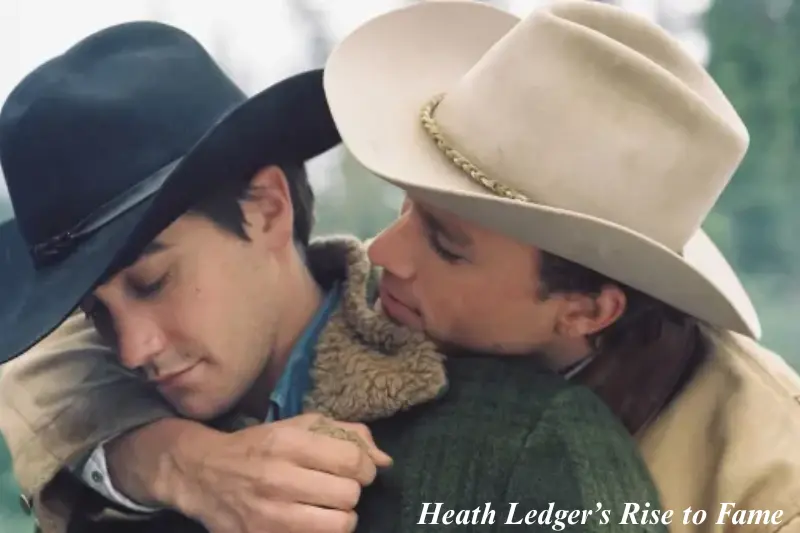
Before becoming one of the most talked-about names in Hollywood, Heath Ledger was a young actor from Perth, Australia, with big dreams and undeniable talent. He began his acting career in Australian television, but it wasn’t long before he made his mark internationally.
Ledger gained widespread recognition with his charming performance in 10 Things I Hate About You (1999), a teen adaptation of Shakespeare’s The Taming of the Shrew. The film introduced him to a global audience and launched him into stardom. He followed that up with bold choices, often avoiding typical leading-man roles in favor of more complex characters.
In A Knight’s Tale (2001), Ledger blended charisma and physicality, while The Patriot (2000) showcased his emotional depth alongside Mel Gibson. But it was his role in Brokeback Mountain (2005) that truly proved his dramatic range. His portrayal of Ennis Del Mar earned him his first Academy Award nomination for Best Actor, drawing critical acclaim and establishing him as one of the finest actors of his generation.
By the time of his death, Ledger had already wrapped filming for his final completed role—the Joker in The Dark Knight—a performance that would become iconic. He was also partway through production on another film, The Imaginarium of Doctor Parnassus, which was completed posthumously with the help of fellow actors like Johnny Depp, Jude Law, and Colin Farrell.
The Joker and the Role That Changed Everything
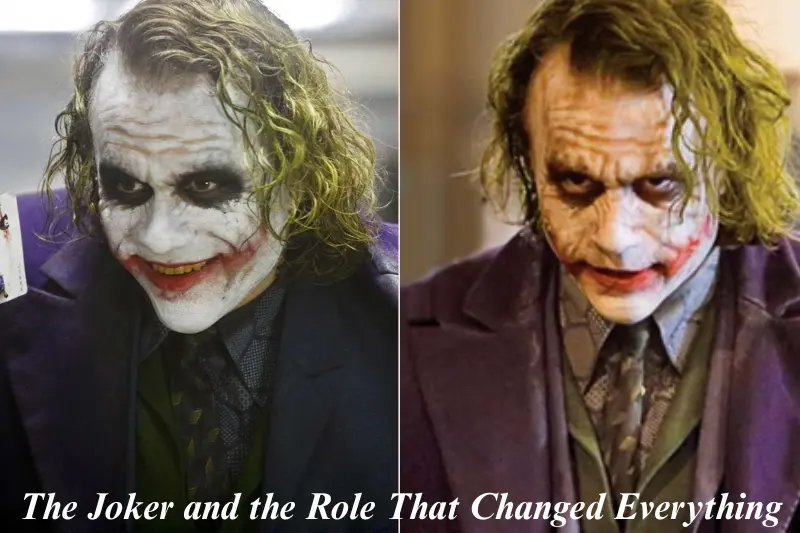
Heath Ledger’s transformation into the Joker in The Dark Knight (2008) marked a turning point in both his career and popular culture. Unlike any previous portrayal of the iconic Batman villain, Ledger’s Joker was anarchic, disturbing, and deeply psychological—a performance that many argue redefined the character forever.
Determined to bring something original and unsettling to the role, Ledger isolated himself for weeks in a hotel room to develop the Joker’s voice, mannerisms, and chilling laugh. He kept a diary as the Joker, filled with disturbing thoughts and chaotic ideas, immersing himself fully in the character. In interviews before the film’s release, he described the Joker as a “psychopathic, mass-murdering, schizophrenic clown with zero empathy.”
This extreme dedication led many to speculate that the role had taken a toll on his mental health. Media reports at the time suggested that Ledger was suffering from insomnia, and that he struggled to “shut off” the intensity of the Joker after filming ended. He reportedly told The New York Times that he was sleeping only two hours a night, despite taking prescription medications to help.
Although Heath Ledger’s death occurred months after he had finished filming The Dark Knight, many continue to link the psychological demands of the Joker role to his deteriorating well-being. Whether that connection is entirely accurate or not, there’s no denying that his performance was nothing short of revolutionary.
When the film was released posthumously, Ledger’s Joker received universal acclaim. He was awarded the Academy Award for Best Supporting Actor, making him only the second actor in history to win an Oscar after death. The role didn’t just change his career—it changed the standard for comic book villains in cinema.
Final Days — A Timeline Before Heath Ledger’s Death
The final weeks of Heath Ledger’s life paint a picture of a brilliant artist caught in a whirlwind of pressure, fatigue, and emotional strain. As The Dark Knight entered post-production and he worked on The Imaginarium of Doctor Parnassus, Ledger was reportedly struggling with intense insomnia, anxiety, and exhaustion.
Early January 2008
Ledger returned to New York City after filming in London. According to close friends and colleagues, he appeared physically worn down and mentally distant. In an interview, he mentioned sleeping only a couple of hours a night and said he had been taking Ambien to try to rest—though even that was proving ineffective.
January 22, 2008 – The Day of His Death
Heath Ledger was found unconscious in his SoHo apartment by his housekeeper and massage therapist around 3:30 p.m. Emergency responders arrived shortly after, but he was pronounced dead at the scene. He was just 28 years old.
Initial Reactions and Speculation
The sudden nature of Heath Ledger’s death led to widespread speculation. Early media reports were filled with misinformation—ranging from drug abuse rumors to suggestions of suicide. However, those close to him, including his family, emphasized that while he had been under a lot of stress, there were no indications that he intended to harm himself.
January 23–February 2008
An official investigation was launched. Authorities conducted interviews, examined toxicology reports, and scrutinized the various medications found in his apartment. Meanwhile, tributes poured in from around the world—from fans, fellow actors, and directors, all expressing shock and sorrow.
Ledger’s body was returned to Australia for his funeral, where a private ceremony was held in his hometown of Perth. Later, his ashes were scattered at his family’s plot at Karrakatta Cemetery, alongside his grandparents.
Heath Ledger’s Cause of Death and Autopsy Findings
On February 6, 2008, the New York City Medical Examiner’s Office released the official autopsy and toxicology report. The cause of Heath Ledger’s death was ruled as an accidental overdose, caused by the combined effects of multiple prescription medications.
What the Autopsy Revealed
The report found that Ledger had taken a fatal mixture of six prescription drugs, including:
- Oxycodone (painkiller)
- Hydrocodone (painkiller)
- Diazepam (anti-anxiety)
- Temazepam (sleep aid)
- Alprazolam (Xanax) (anti-anxiety)
- Doxylamine (sedating antihistamine)
The medical examiner stated that “the manner of death is accident, resulting from the abuse of prescription medications.” Importantly, no illegal substances were found in his system.
This confirmed what many had feared: Ledger’s death was not the result of intentional self-harm, but rather a tragic and unintentional interaction of legally prescribed medications. It highlighted the dangers of combining sedatives and painkillers, especially for those dealing with insomnia, stress, or physical pain.
Where Did the Medications Come From?
Some of the drugs had been prescribed to him in the U.S., others were reportedly obtained in Europe during his travels. The investigation found no criminal activity or wrongdoing from doctors or suppliers, but the case added to a growing awareness around the misuse of prescription medications in Hollywood and beyond.
Public and Media Response
After the release of the autopsy results, the focus shifted from sensationalist headlines to a more sobering conversation about mental health, sleep disorders, and the often toxic pressures of fame. Ledger’s family thanked fans for their support and emphasized that he had been a loving father, son, and friend who had never intended for this to happen.
Reaction From Hollywood and the World
The sudden death of Heath Ledger at just 28 years old left the entertainment industry — and millions of fans around the world — stunned and heartbroken. As news spread, tributes poured in from actors, directors, critics, and admirers who recognized the extraordinary talent that had been lost far too soon.
Industry Shock and Grief
Many of Ledger’s co-stars and collaborators expressed deep sadness and disbelief. Michelle Williams, Ledger’s former partner and the mother of his daughter Matilda, released a brief but emotional statement asking for privacy and reflecting on the depth of her loss. Jake Gyllenhaal, his close friend and Brokeback Mountain co-star, reportedly took the news very hard and canceled public appearances in the days following the announcement.
Director Christopher Nolan, who worked closely with Ledger on The Dark Knight, praised him not only as a gifted actor but also as “a joyous and creative spirit.” In later interviews, Nolan would describe Ledger’s performance as the Joker as “fearless,” and said that the role was entirely Ledger’s own creation.
The Joker’s Legacy and Awards
Following the release of The Dark Knight in July 2008, Ledger’s portrayal of the Joker received widespread critical acclaim. Audiences and critics alike hailed it as one of the greatest performances in film history.
In early 2009, Ledger was posthumously awarded the Academy Award for Best Supporting Actor, as well as a Golden Globe, BAFTA, and Screen Actors Guild Award. His family accepted the Oscar on his behalf, dedicating it to his daughter, Matilda Ledger.
These honors were not simply sympathy votes — they were recognition of a performance that redefined what was possible in a superhero film. Ledger’s Joker became iconic: raw, terrifying, and deeply human.
Global Public Reaction
Fans around the world left flowers, candles, and letters outside Ledger’s SoHo apartment. Online forums and tribute pages flooded with condolences, artwork, and videos celebrating his career. In Australia, thousands mourned a national treasure who had made it to the global stage.
Ledger’s funeral was held on February 9, 2008, in Perth, Australia, with close friends and family in attendance. It was a private ceremony, followed by the scattering of his ashes at his family’s plot.
Heath Ledger’s Legacy Lives On
More than 15 years after his passing, Heath Ledger’s legacy continues to resonate — not just through his unforgettable performances, but also through the emotional impact he left on fans, fellow artists, and the film industry.
A Lasting Impact on Cinema
Ledger’s work in The Dark Knight remains one of the most transformative performances in film history. His version of the Joker set a new standard for character depth and villainy in cinema. It’s widely credited with influencing not only future portrayals of comic book characters but also reshaping the genre itself into something more serious, dark, and psychologically complex.
Actors like Joaquin Phoenix and Barry Keoghan, who later portrayed the Joker in different interpretations, have acknowledged Ledger’s performance as groundbreaking. Even directors have cited Ledger’s Joker as a turning point in how comic book films could be approached—with more realism, danger, and artistry.
Personal Legacy: His Daughter, Matilda
At the time of his death, Ledger was a devoted father to his daughter, Matilda Rose Ledger, born in 2005 to him and actress Michelle Williams. Though she was only two when he died, Heath’s family has worked to ensure she grows up knowing who her father was — not only as a public figure, but as a loving dad.
Matilda reportedly bears a strong resemblance to her father and has inherited some of his personality traits. In interviews, Michelle Williams has spoken occasionally about Ledger with warmth and reverence, keeping his memory alive privately as Matilda grows older.
The Heath Ledger Scholarship and Foundation
In honor of his life and passion for film, the Heath Ledger Scholarship was established by Australians in Film (AiF). The annual scholarship supports emerging Australian actors looking to build their careers internationally, just as Ledger once did.
It’s one of several ways the industry has ensured his influence is felt by the next generation. His passion for storytelling, his risk-taking in choosing roles, and his dedication to his craft remain an inspiration.
FAQ Section (SEO-Optimized)
What was the official cause of Heath Ledger’s death?
Heath Ledger’s death was ruled as an accidental overdose caused by the combined effects of prescription medications, including painkillers, anti-anxiety drugs, and sleep aids.
Was playing the Joker responsible for Heath Ledger’s death?
While many have speculated that the dark role of the Joker impacted Ledger’s mental health, there is no medical or official evidence linking the character to his death. However, Ledger himself had spoken publicly about struggling with insomnia and stress around the time of filming.
Did Heath Ledger finish filming The Dark Knight before he died?
Yes. Heath Ledger had completed all of his scenes for The Dark Knight months before his death in January 2008. The film was released posthumously in July 2008.
Who is Heath Ledger’s daughter?
Heath Ledger’s daughter is Matilda Rose Ledger, born in 2005 to him and actress Michelle Williams. She was just two years old when he passed away.
What was Heath Ledger’s last movie?
Heath Ledger’s last completed film was The Dark Knight, where he played the Joker. He was in the middle of filming The Imaginarium of Doctor Parnassus at the time of his death, which was later completed by actors Johnny Depp, Jude Law, and Colin Farrell.
Conclusion
Heath Ledger’s death was a tragic loss, but his legacy is a powerful reminder of what can be achieved through fearless creativity and emotional honesty. His performances continue to captivate new audiences, and his influence lives on in the work of countless actors and filmmakers.
Though gone far too soon, Heath Ledger left behind something rare: a body of work that speaks to the complexity of being human — full of light, shadow, and unforgettable intensity.