Introduction
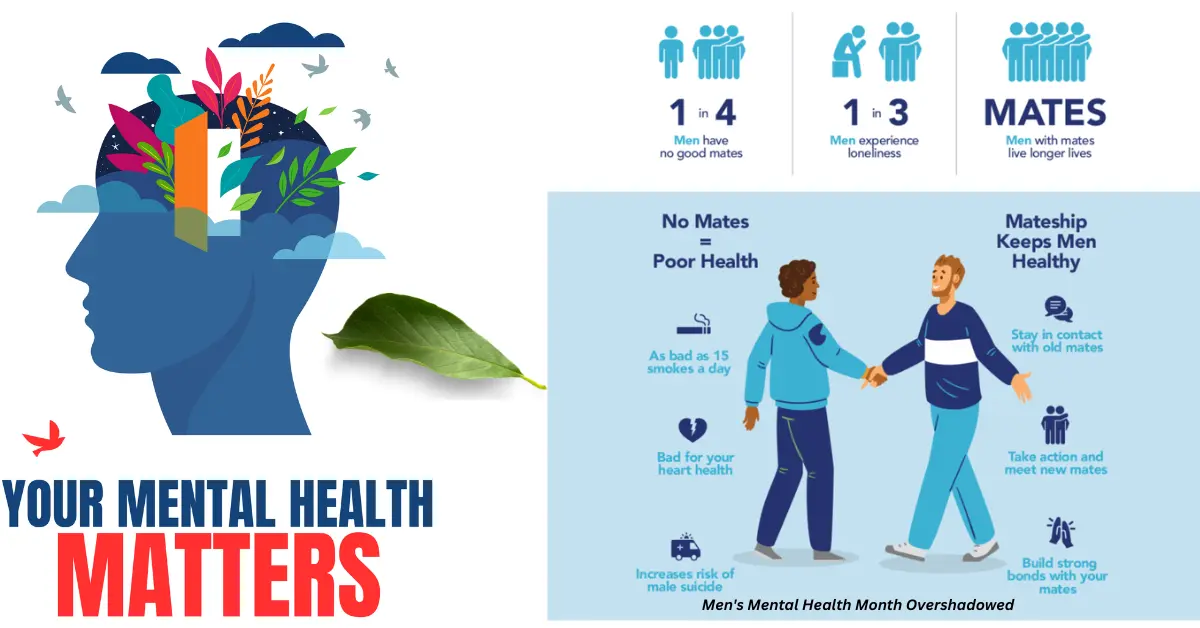
Every year, Men’s Mental Health Month is intended to shine a spotlight on the often-overlooked struggles men face with mental health. Held each June in the U.S., it’s a time meant to raise awareness, challenge stigma, and encourage men to speak up and seek support. Yet despite its critical importance, Men’s Mental Health Month is often overshadowed, but in 2025, that needs to change.
Unlike other awareness campaigns that dominate headlines and social media feeds, men’s mental health tends to receive minimal attention. Whether it’s competing with larger movements or simply suffering from a lack of visibility, the result is the same: a missed opportunity to address a growing crisis. Men are still significantly less likely to seek help for mental health issues, and suicide rates among men remain alarmingly high.
Raising awareness isn’t just symbolic — it’s lifesaving. Giving Men’s Mental Health Month the attention it deserves means opening up space for real conversations, early interventions, and lasting cultural change. This year, we must do more than acknowledge it — we must amplify it.
What Is Men’s Mental Health Month?
Men’s Mental Health Month, observed each June in the United States, is a dedicated time to raise awareness about the unique mental health challenges that men face. While general mental health awareness has grown in recent years, this specific initiative aims to highlight the gendered realities of mental health — such as emotional suppression, societal expectations, and lack of access to tailored support — that often prevent men from getting the help they need.
The month is part of a broader push to dismantle the long-standing stigma surrounding mental health, especially among men. Campaigns like Movember, although focused in November, have helped bring visibility to issues like depression, anxiety, and suicide in men. However, June’s Men’s Mental Health Month provides an additional opportunity to engage communities, families, and workplaces in proactive dialogue and education.
With suicide ranked among the leading causes of death for men in many countries — particularly among those aged 18 to 45 — the importance of targeted advocacy cannot be overstated. Creating space for these discussions isn’t just beneficial; it’s essential.
Why It Keeps Getting Overshadowed

Despite the urgent need for awareness, Men’s Mental Health Month is consistently overshadowed by other, more widely recognized campaigns. While movements like Pride Month and Juneteenth — both observed in June — play vital roles in advancing equality and justice, they often dominate media coverage, nonprofit funding, and social media conversations. As a result, men’s mental health tends to get pushed to the margins.
There’s also a cultural component. Discussions about mental health still carry stigma, especially among men, where outdated ideals of masculinity discourage vulnerability. The idea that “real men don’t cry” or must “tough it out” continues to act as a barrier, making it harder for men to engage with or advocate for mental health resources — let alone center them in public discourse.
Media plays a role too. Mental health campaigns that focus on men often lack the emotional storytelling or visual impact that drive viral awareness. Without bold narratives or strong community-driven initiatives, these campaigns struggle to gain traction.
This lack of visibility isn’t just a PR issue — it reflects deeper societal discomfort with acknowledging men’s mental health as a legitimate, urgent concern.
The Real-World Impact of Being Ignored
When Men’s Mental Health Month is overshadowed, the consequences go far beyond lack of awareness — they can be deadly. Men are statistically less likely to seek mental health support, less likely to be diagnosed with depression, and more likely to die by suicide. In fact, in many countries, men account for nearly 75% of all suicide deaths, with the highest rates often seen in middle-aged men.
This silent crisis is fueled by a combination of stigma, social conditioning, and inadequate mental health infrastructure that fails to meet the specific needs of men. Many men grow up believing that expressing emotions is a sign of weakness — a belief reinforced by media, culture, and even family dynamics. As a result, emotional suffering often goes unspoken and untreated.
The consequences extend to relationships, workplace productivity, and physical health. Untreated mental health issues can lead to substance abuse, domestic violence, and chronic health conditions — creating a ripple effect throughout communities and families.
Ignoring men’s mental health during its designated awareness month isn’t just a missed opportunity — it’s a continuation of a systemic failure. Without visibility, there is no pressure for change, no funding for support, and no message to men that it’s okay to ask for help.
How to Reclaim the Conversation in 2025
If we want Men’s Mental Health Month to have the impact it deserves in 2025, we need to move beyond hashtags and start building sustainable, visible, and inclusive campaigns that truly reach men where they are.
Engage Men Through Relatable Messaging
Many men don’t respond to traditional mental health campaigns because they often feel disconnected or overly clinical. Instead, we need honest, relatable storytelling — from men of all backgrounds — that speaks openly about struggles with anxiety, depression, burnout, and more. Campaigns that highlight vulnerability as strength, not weakness, can break through decades of stigma.
Leverage Platforms Men Already Use
Think outside the mental health space — sports communities, gaming platforms, barbershops, workplaces, and even fitness apps. These are spaces where men naturally gather. Bringing mental health conversations into these areas — through influencers, podcasts, or sponsored content — can reach those who might never follow a mental health page.
Collaborate with Trusted Voices
Men are more likely to listen when the message comes from someone they trust or admire. Partner with athletes, veterans, musicians, fathers, and creators who can amplify mental health advocacy in an authentic, unfiltered way.
Push for Media Equity
There needs to be intentional media coverage of Men’s Mental Health Month in 2025. Journalists, bloggers, and content creators should be encouraged to prioritize coverage during June, just as they would for other major awareness months. Visibility leads to legitimacy.
Fund Real Change
Advocacy without investment is just noise. Organizations and governments must allocate funding to men’s mental health initiatives — not only for awareness, but also for research, therapy access, and prevention strategies.
What You Can Do Today
You don’t have to be a mental health professional or public figure to make a difference during Men’s Mental Health Month — or any time of year. Small actions can lead to big impact, especially when they help normalize the conversation and make support more accessible.
Start Honest Conversations
One of the most powerful things you can do is check in with the men in your life — without judgment. A simple “How are you really doing?” can open the door to honesty. Let them know it’s okay to struggle, and even more okay to seek help.
Share Resources
Use your platform — whether it’s social media, a workplace Slack channel, or your local community board — to share mental health resources, hotlines, or even personal stories. Normalize talking about therapy, stress, burnout, and emotional well-being.
Helpful resources to share:
- National Suicide Prevention Lifeline (U.S.): 988
- Movember’s Mental Health Tools
- HeadsUpGuys.org (men-specific mental health site)
- Support Mental Health Campaigns
Donate to or volunteer with organizations focused on men’s mental health. Support content creators, nonprofits, and local events aimed at awareness and outreach.
Challenge the Stigma
If you hear someone dismissing men’s mental health — calling it weakness or attention-seeking — speak up. Change starts by challenging outdated beliefs and toxic norms that keep men suffering in silence.
Conclusion
Men’s Mental Health Month is often overshadowed, but in 2025, that needs to change. Raising awareness about men’s mental health isn’t about minimizing other causes — it’s about giving overdue attention to an issue that continues to affect millions in silence. This year, we all have a role to play in pushing the conversation forward.
Let’s stop treating this month like an afterthought — and start treating men’s mental health like the life-or-death issue it truly is.