Eggs have been a dietary staple for centuries, enjoyed in countless cuisines around the world. From breakfast tables to gourmet dishes, eggs are prized not only for their versatility but also for their rich nutritional profile. Understanding eggs nutrition is essential for anyone looking to maintain a balanced diet and make informed food choices. Each egg is packed with high-quality protein, essential vitamins, minerals, and healthy fats, making it a powerhouse of nutrients in a compact form.
Beyond just providing energy, eggs offer numerous health benefits. Regular consumption can support muscle growth, improve brain function, and contribute to heart and eye health. While myths about cholesterol often cast eggs in a negative light, research shows that they can be part of a healthy diet when consumed in moderation. By exploring the detailed nutrition facts of eggs, readers can gain insights into how to include them effectively in meals while reaping their many benefits. Whether boiled, scrambled, or poached, eggs remain a simple yet highly nutritious choice for people of all ages.
Overview of Egg Nutrition

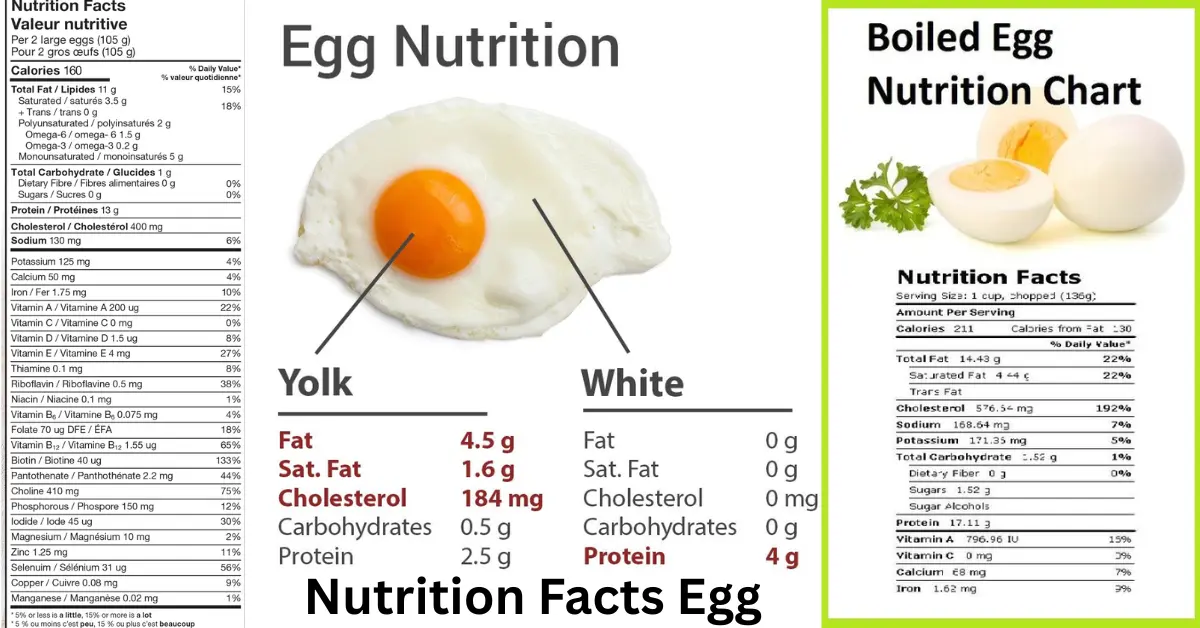
Eggs are often called a “complete food” because they provide a wide range of nutrients in a single, compact package. A standard large egg (approximately 50 grams) contains a balanced mix of protein, fats, vitamins, and minerals, making it an excellent addition to any diet. Understanding the nutrition facts of eggs helps you make informed choices about how they fit into your daily meal plan.
Nutritional Breakdown of a Large Egg
| Nutrient | Amount per Large Egg (50g) | % Daily Value* |
|---|---|---|
| Calories | 70 kcal | 3.5% |
| Protein | 6 g | 12% |
| Total Fat | 5 g | 7% |
| Saturated Fat | 1.5 g | 8% |
| Cholesterol | 185 mg | 62% |
| Carbohydrates | 0.6 g | 0.2% |
| Vitamin A | 270 IU | 5% |
| Vitamin D | 41 IU | 10% |
| Vitamin B12 | 0.5 µg | 8% |
| Riboflavin (B2) | 0.2 mg | 15% |
| Folate | 24 µg | 6% |
| Selenium | 15.4 µg | 28% |
| Choline | 147 mg | 27% |
Health Benefits of Eggs
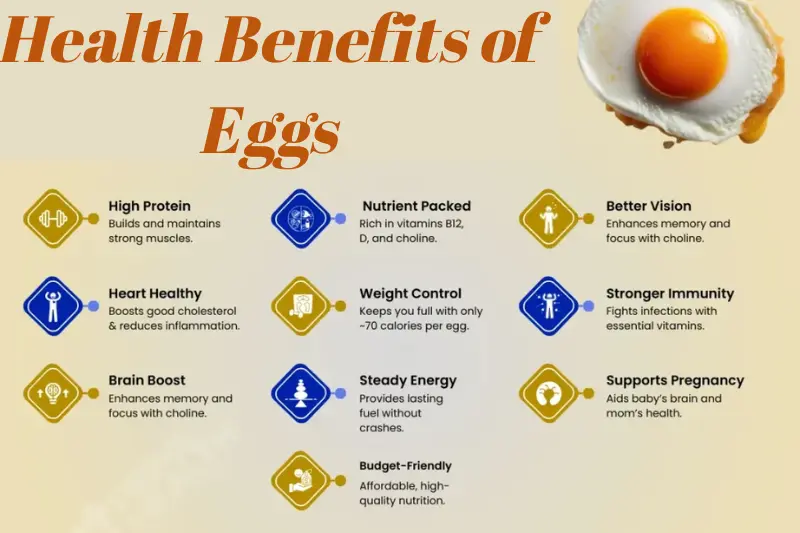
Eggs are more than just a versatile food—they are packed with nutrients that provide a wide array of health benefits. Understanding these benefits can help you appreciate why eggs are considered a nutritional powerhouse.
High-Quality Protein for Muscle Growth
Eggs are an excellent source of complete protein, containing all nine essential amino acids. This makes them ideal for muscle repair and growth, especially for athletes and individuals aiming to maintain lean body mass.
Supports Heart Health
Despite common misconceptions about cholesterol, research shows that moderate egg consumption does not negatively impact heart health for most people. Eggs contain heart-friendly nutrients like unsaturated fats, omega-3 fatty acids (in certain types), and antioxidants that support cardiovascular wellness.
Boosts Eye Health
Eggs are rich in lutein and zeaxanthin—powerful antioxidants that help protect the eyes from harmful blue light and reduce the risk of age-related macular degeneration.
Supports Brain Function
Choline, an essential nutrient found abundantly in eggs, plays a vital role in brain health, memory, and neurotransmitter synthesis.
Weight Management and Satiety
Eggs are low in calories but high in protein, making them highly satisfying. Eating eggs can help control appetite and reduce overall calorie intake, supporting healthy weight management.
Including eggs regularly in your diet allows you to reap these numerous egg nutrition benefits, all while enjoying a simple, delicious food.
Egg Nutrition by Type
While all eggs are nutritious, the way they are prepared can slightly affect their nutrition facts. Understanding the differences helps you choose the best cooking method to fit your dietary goals.
Boiled Eggs
Boiled eggs are cooked without added fat, making them one of the healthiest options. They retain most of their vitamins and minerals, including vitamin B12, selenium, and choline. A large boiled egg contains:
- Calories: 70 kcal
- Protein: 6 g
- Fat: 5 g
- Carbohydrates: 0.6 g
Boiled eggs are perfect for snacks, salads, or breakfast because they are portable and filling.
Scrambled Eggs
Scrambled eggs are soft and fluffy but may have additional calories and fats depending on whether milk, butter, or oil is added. On average, a large scrambled egg without extra ingredients contains:
- Calories: 90 kcal
- Protein: 6 g
- Fat: 7 g
- Carbohydrates: 1 g
Poached Eggs
Poached eggs are cooked in water without added fats, preserving their natural nutrients. They are similar in calories and protein to boiled eggs and are an excellent option for low-fat diets.
Organic vs. Regular Eggs
Organic eggs come from hens fed organic feed without antibiotics or hormones. They may contain higher levels of omega-3 fatty acids and vitamin E, though the protein and basic nutrients are similar to regular eggs.
By choosing the right type of egg and cooking method, you can maximize the egg nutrients while fitting them into your diet plan.
How to Include Eggs in a Healthy Diet
Eggs are versatile and easy to incorporate into meals at any time of day. With their rich egg nutrition, they can be a key part of a balanced diet, providing protein, healthy fats, and essential vitamins.
Start Your Day with Eggs
Breakfast is a perfect opportunity to include eggs. Options like boiled eggs, scrambled eggs with vegetables, or an omelet with spinach and tomatoes provide sustained energy and help keep you full longer.
Add Eggs to Salads and Sandwiches
Chopped boiled eggs make a great addition to salads or sandwiches, boosting protein content without excessive calories. They are also ideal for meal prep because they are portable and easy to store.
Include Eggs in Healthy Recipes
Eggs can be used in numerous healthy recipes:
- Veggie-packed omelets or frittatas
- Poached eggs on avocado toast
- Egg muffins with lean meats and vegetables
Pair Eggs with Other Nutrient-Dense Foods
For a balanced meal, pair eggs with whole grains, fruits, and vegetables. This combination maximizes vitamins, minerals, and fiber intake while keeping meals satisfying.
Mind Your Portions
While eggs are nutritious, moderation is key. Most people can safely enjoy one to two eggs per day as part of a balanced diet without negatively impacting cholesterol levels.
By following these simple tips, you can easily incorporate eggs in your diet while enjoying their many health benefits.
Common Myths About Egg Nutrition
Eggs are often misunderstood, with several myths surrounding their health effects. Understanding the truth can help you make informed dietary choices and enjoy the full benefits of eggs.
Myth: Eggs Raise Cholesterol and Are Bad for Your Heart
Many people avoid eggs due to their cholesterol content. However, research shows that moderate egg consumption does not significantly raise blood cholesterol in most individuals. In fact, eggs contain heart-healthy nutrients like unsaturated fats, antioxidants, and omega-3 fatty acids that support cardiovascular health.
Myth: Eating Eggs Leads to Weight Gain
Eggs are low in calories and high in protein, which promotes satiety and helps control appetite. Including eggs in meals can actually aid in weight management rather than causing weight gain.
Myth: Only Egg Whites Are Healthy
While egg whites are rich in protein, the yolk contains essential vitamins, minerals, and healthy fats. Key nutrients like choline, vitamin D, and lutein are mostly found in the yolk, making the whole egg a more nutrient-dense choice.
Myth: You Should Avoid Eggs If You Have High Cholesterol
For most healthy individuals, eating eggs in moderation is safe. However, those with specific medical conditions should consult their healthcare provider. Overall, the nutritional benefits of eggs outweigh the concerns for the majority of people.
By separating fact from fiction, you can enjoy eggs confidently and reap all their egg nutrition benefits without worry.
Conclusion
Eggs are a versatile, nutrient-dense food that can be enjoyed in countless ways. By understanding the nutrition facts of eggs, including their protein, vitamins, minerals, and healthy fats, you can make informed choices that support overall health. From boosting muscle growth and brain function to supporting heart and eye health, the health benefits of eggs are numerous.
Whether you prefer boiled, scrambled, poached, or organic eggs, each type offers valuable nutrients that can be incorporated into a balanced diet. By including eggs in meals wisely and debunking common myths, you can confidently enjoy this simple yet powerful food.
Incorporating eggs into your daily routine is not just convenient—it’s a delicious way to enhance your diet while reaping a wide range of nutritional benefits.