Key Takeaways
- RF microneedling combines fine needles with radiofrequency energy to create controlled treatment zones in the skin.
- It may help improve the appearance of texture concerns, fine lines, selected acne scars, enlarged-looking pores, and mild laxity.
- Results develop gradually, and many treatment plans involve more than one session.
- Careful screening, appropriate settings, sterile technique, and qualified medical care are essential.
- Temporary redness, swelling, and tenderness are common, while more serious complications are possible.
For people exploring nonsurgical skin treatments, RF microneedling is often discussed as an option to improve skin texture and promote a firmer-looking appearance. It is not a universal solution, but it can be a useful part of a personalized plan when the concern, skin type, and treatment approach are well matched.
Understanding how the procedure works, what recovery may involve, and which questions to ask can help set realistic expectations. A thorough consultation should always come before treatment, particularly for people with active skin conditions, a history of unusual scarring, or concerns about pigment changes.
What Is RF Microneedling?
RF microneedling is a medical procedure that uses very fine needles to create controlled microchannels and deliver radiofrequency energy at specific depths. Standard microneedling relies solely on the needles. RF microneedling delivers heat beneath the surface, allowing a provider to tailor depth and energy to the treatment area and the person’s goals.
The treatment is designed to trigger a controlled healing response. That response supports remodeling of structural proteins such as collagen, which contributes to the skin’s strength and elasticity. Improvement is gradual, not instant, because the remodeling process takes time.
How The Treatment Works
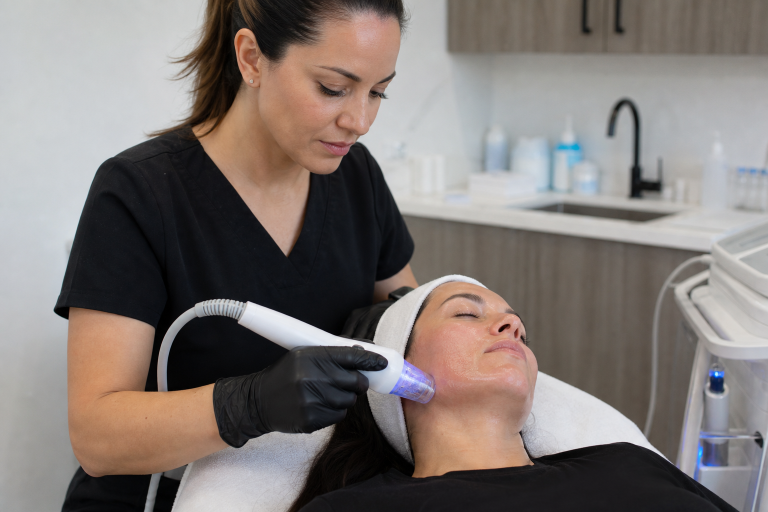
During treatment, a device handpiece moves across the planned area. The needles briefly enter the skin, and radiofrequency energy creates small zones of heat at controlled depths. The goal is to encourage the skin’s natural repair process without treating more tissue than necessary.
Surface changes may become noticeable before bigger changes do. For example, makeup may begin to apply more smoothly before someone sees a meaningful improvement in mild laxity or the appearance of deeper scars.
Skin Concerns It May Address
RF microneedling may be considered for several common aesthetic concerns, including:
- Fine lines and mild wrinkles
- Uneven texture and rough-looking skin
- Enlarged-looking pores
- Selected acne scars, particularly when combined with an appropriate treatment plan
- Mild skin laxity in areas such as the face, neck, or body
- Uneven tone in selected cases
Outcomes vary based on age, skin quality, scar type, sun exposure, lifestyle, device settings, and the number of sessions completed. Deep scars, substantial sagging, active acne, melasma, or significant pigmentation concerns may require a different approach or a combination plan.
Who May Be A Good Candidate?
A consultation may be reasonable for someone who wants gradual improvement in texture or firmness without surgery, understands that results are not guaranteed, and is willing to follow preparation and aftercare instructions. People with realistic expectations are generally better positioned to be satisfied with a gradual treatment process.
A provider may delay or avoid treatment when there is an active infection, an open wound, an uncontrolled inflammatory flare, a recent procedure, a history of poor wound healing, or a tendency toward abnormal scarring. Pregnancy, medications, allergies, supplements, and prior cosmetic treatments should all be discussed before scheduling.
Preparation And What Happens During A Session
Before The Appointment
- Ask which active skincare products should be paused before treatment.
- Limit unnecessary sun exposure and avoid arriving with a sunburn.
- Share medications, supplements, allergies, medical conditions, and prior procedures.
- Arrive with clean skin unless otherwise instructed.
- Plan around major events in case of temporary redness or swelling.
During The Session
The provider reviews the area, cleanses the skin, and may use numbing cream or other comfort measures. The handpiece is then passed over selected areas using planned settings. People may feel warmth, pressure, or quick prickling sensations. Afterward, calming products or cooling measures may be used, followed by detailed aftercare instructions.
Recovery And When Results May Appear
Recovery is so totally temporary, but it is not identical for everyone. Redness can resemble mild sun exposure, while swelling, warmth, dryness, tenderness, or a rough skin texture may also occur. Some people need to pause makeup, strenuous exercise, heat exposure, and the use of active ingredients for a short period.
- First 24 hours: Keep skin clean, gentle, and protected from heat, friction, and unnecessary touching.
- Days 2 to 3: Redness and sensitivity often begin to settle, although mild dryness may remain.
- After several days, Many people can resume their usual routine according to provider guidance.
- In the following weeks, collagen remodeling continues, so changes may become more apparent over time.
Early brightness or tightness is not necessarily the final result. Providers may recommend a series of sessions, especially for acne scarring or more noticeable texture concerns. Progress photos taken in similar lighting are often more useful than checking the mirror every day.
Risks And Safety Questions
Temporary redness, swelling, tenderness, dryness, pinpoint bleeding, and small areas of crusting can occur. Less common but more serious complications may include burns, infection, scarring, pigment changes, fat loss, nerve injury, or disfigurement. The FDA safety communication on RF microneedling emphasizes that this is a medical procedure and advises patients to seek care from licensed providers trained in the use of the device.
Before proceeding, ask who will perform the treatment, whether sterile single-use needle cartridges will be used, what settings are planned, how the pigment risk will be addressed, and which symptoms should prompt an immediate call. A reputable provider should also explain alternatives if RF microneedling is not the best fit.
RF Microneedling Compared With Other Options
- Standard microneedling: Often focuses on surface texture, mild scarring, and collagen support, without added radiofrequency energy.
- Chemical peels: May be better suited to selected tone, brightness, and surface concerns. Peeling and downtime depend on the formula and depth.
- Laser resurfacing: Can address texture, pigment, and resurfacing goals, but recovery may range from brief to more substantial.
- Surgical procedures: May be more appropriate for significant laxity or structural changes that nonsurgical treatments cannot meaningfully correct.
Final Thoughts
RF microneedling can be a thoughtful option for selected texture and firmness concerns, but it should never be treated as a one-size-fits-all fix. The strongest plan begins with honest goals, medical screening, careful device selection, realistic expectations, and consistent aftercare. A qualified provider can help determine whether this treatment, another procedure, or a combination approach makes the most sense.