

Neck stiffness is a common complaint among people of all ages. Whether you spend long hours working at a desk, frequently use mobile devices, drive for extended periods, or simply experience daily stress, neck discomfort can gradually become part of your routine. What may begin as mild tightness can eventually affect your productivity, sleep quality, and overall well-being.
The good news is that neck stiffness is often linked to everyday habits, which means small lifestyle adjustments can make a significant difference. By incorporating simple daily practices into your routine, you can improve flexibility, reduce muscle tension, and support long-term neck health.
In this article, we’ll explore practical habits that can help reduce neck stiffness and keep you moving comfortably throughout the day.
Understanding Neck Stiffness
Neck stiffness occurs when the muscles, ligaments, or joints in the neck become tight, inflamed, or strained. This can limit your range of motion and make simple movements, such as turning your head or looking up and down, uncomfortable.
Common causes include:
- Poor posture
- Prolonged screen time
- Muscle overuse
- Stress and tension
- Lack of physical activity
- Sleeping in awkward positions
- Sports-related strain or minor injuries
While occasional stiffness is usually not a cause for concern, recurring discomfort often indicates the need for better daily habits.
Why Daily Habits Matter
Many people seek temporary relief when stiffness occurs, but preventing the problem is often more effective than treating it afterward. Consistent healthy habits help:
- Improve muscle flexibility
- Enhance blood circulation
- Reduce tension buildup
- Support proper posture
- Minimize strain on the cervical spine
Small changes performed regularly can have a lasting impact on neck comfort and mobility.
1. Start Your Day with Gentle Stretching
One of the simplest ways to reduce neck stiffness is to begin your morning with gentle stretching exercises.
During sleep, muscles remain relatively inactive for several hours. Stretching helps wake up the muscles, increase blood flow, and improve flexibility.
Simple stretches include:
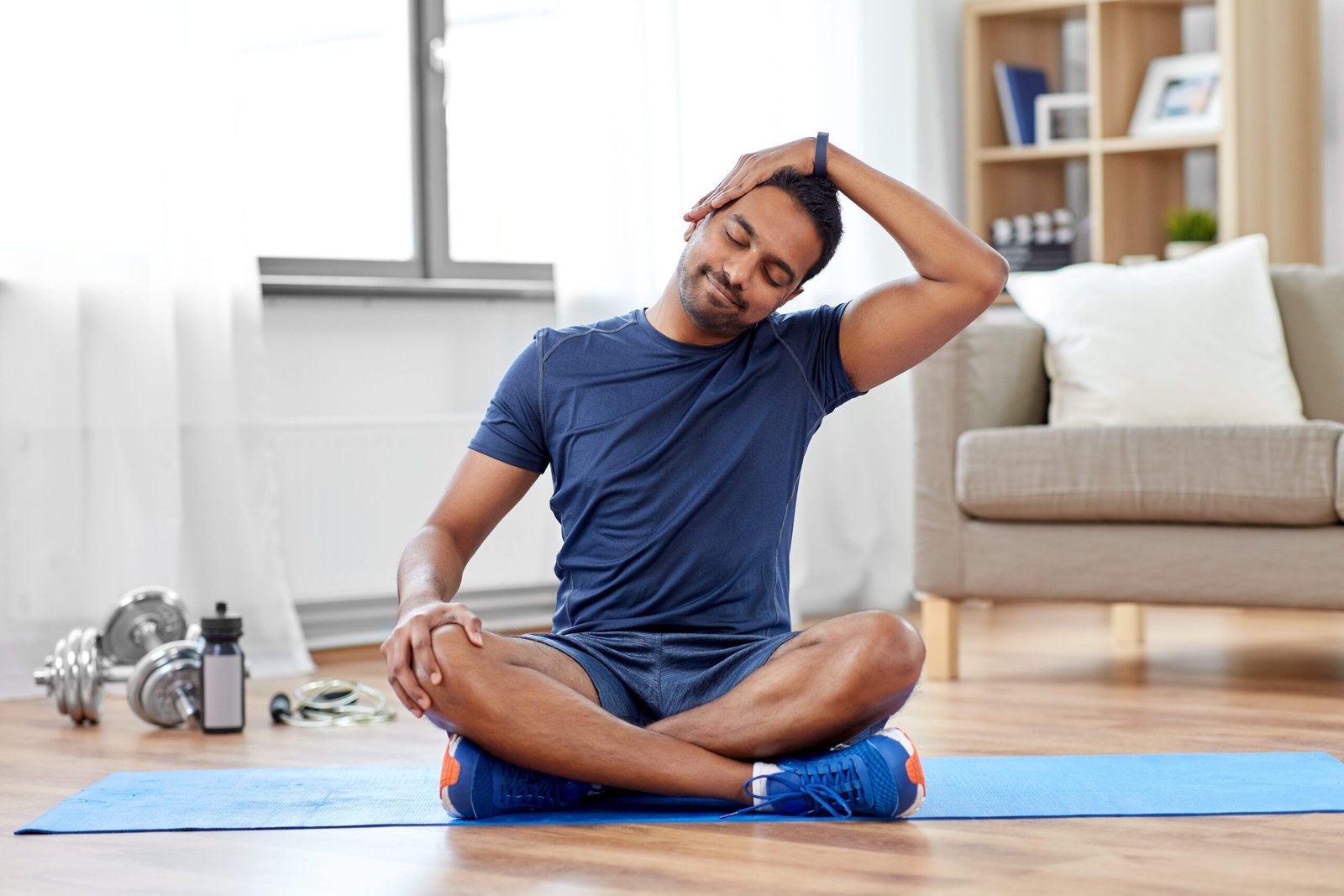
Neck Side Tilt
- Slowly tilt your head toward one shoulder.
- Hold for 15 to 20 seconds.
- Repeat on the opposite side.
Chin Tucks
- Pull your chin gently backward.
- Hold for a few seconds.
- Repeat 10 times.
Neck Rotations
- Slowly turn your head from side to side.
- Avoid forcing the movement.
These exercises help loosen tight muscles and prepare your neck for daily activities.
2. Maintain Proper Posture Throughout the Day
Poor posture is one of the leading contributors to neck stiffness.
Many people unknowingly adopt a forward-head posture while working on computers or using smartphones. This places additional stress on the neck muscles and cervical spine.
To improve posture:
- Keep your shoulders relaxed.
- Position screens at eye level.
- Sit with your back properly supported.
- Keep your ears aligned over your shoulders.
- Avoid hunching forward.
Good posture reduces unnecessary strain and allows muscles to function more efficiently.
3. Take Frequent Breaks from Screens
Modern lifestyles often involve extended periods of screen exposure.
Whether you’re working on a laptop, attending virtual meetings, or scrolling through social media, staring at screens for long periods can contribute to muscle tension.
Experts often recommend the 20-20-20 rule:
- Every 20 minutes
- Look at something 20 feet away
- For at least 20 seconds
Additionally, stand up and move around every hour to reduce muscle fatigue and encourage healthy circulation.
4. Stay Physically Active
Regular physical activity supports overall musculoskeletal health and helps prevent stiffness.
Exercise strengthens muscles that support the neck, shoulders, and upper back while improving flexibility and posture.
Beneficial activities include:
- Walking
- Swimming
- Yoga
- Pilates
- Cycling
- Strength training
Even 30 minutes of moderate exercise most days of the week can significantly improve mobility and reduce discomfort.
5. Manage Stress Effectively
Many people don’t realize how strongly stress affects the body.
When you’re stressed, muscles often tighten automatically, especially in the neck and shoulders. Over time, this tension can contribute to chronic stiffness and discomfort.
Stress-management techniques include:
Deep Breathing Exercises
Slow, controlled breathing helps relax tense muscles.
Meditation
Mindfulness practices can reduce physical and mental stress.
Spending Time Outdoors
Nature has been shown to support relaxation and mental well-being.
Hobbies and Recreation
Engaging in enjoyable activities helps reduce daily stress levels.
The philosophy of Reset Life emphasizes creating balance through healthy routines, movement, and mindfulness, all of which can contribute to reduced muscle tension and improved overall wellness.
6. Improve Your Workstation Ergonomics
Your workspace can either support or harm your neck health.
An ergonomic workstation helps maintain proper body alignment and reduces strain during long working hours.
Consider these adjustments:
- Place your monitor at eye level.
- Keep your keyboard close to your body.
- Use a supportive chair.
- Rest your feet flat on the floor.
- Avoid cradling the phone between your shoulder and ear.
Even small ergonomic improvements can significantly reduce neck strain over time.
7. Stay Hydrated
Hydration plays an important role in maintaining healthy muscles, joints, and spinal discs.
When the body is dehydrated, muscles may become more prone to fatigue and tightness.
Simple hydration tips include:
- Drink water consistently throughout the day.
- Increase fluid intake during exercise.
- Limit excessive consumption of sugary beverages.
Proper hydration supports overall flexibility and muscle function.
8. Use Heat Therapy When Needed
Applying gentle heat can help relax tight muscles and improve circulation.
Heat therapy may be beneficial after a long day of work or physical activity.
Options include:
- Warm showers
- Heating pads
- Warm compresses
Many individuals also use products such as a soothing gel for pain relief to help ease temporary discomfort and muscle tightness. While these products may provide short-term comfort, they work best when combined with healthy lifestyle habits.
9. Prioritize Quality Sleep
Sleep is essential for muscle recovery and overall health.
Poor sleeping positions can contribute to neck stiffness upon waking.
To support better neck alignment:
- Use a supportive pillow.
- Sleep on your back or side whenever possible.
- Avoid sleeping on your stomach.
- Replace worn-out pillows regularly.
A well-supported neck during sleep can significantly reduce morning stiffness.
10. Strengthen Supporting Muscles
Weak upper back and shoulder muscles often contribute to poor posture and neck strain.
Strengthening these areas helps reduce the workload placed on the neck.
Helpful exercises include:
- Rows
- Shoulder blade squeezes
- Wall angels
- Resistance band exercises
Building strength gradually can improve posture and reduce recurring stiffness.
11. Warm Up Before Physical Activities
Participating in sports or exercise without proper preparation can increase the risk of muscle strain.
A proper warm-up increases blood flow and prepares muscles for movement.
Before physical activity:
- Perform dynamic stretches.
- Move through gentle ranges of motion.
- Gradually increase intensity.
Athletes and active individuals sometimes use a sports pain relief spray to support comfort after exercise or minor muscle strain. However, prevention through proper warm-up and recovery practices remains essential.
12. Listen to Your Body
Ignoring discomfort often allows minor issues to develop into more persistent problems.
Pay attention to warning signs such as:
- Frequent stiffness
- Reduced range of motion
- Persistent muscle tension
- Recurring headaches
Taking action early can help prevent long-term discomfort and mobility limitations.
When to Seek Medical Advice
While lifestyle changes can help many cases of neck stiffness, certain symptoms require professional evaluation.
Consult a healthcare provider if you experience:
- Severe or worsening pain
- Numbness or tingling in the arms
- Muscle weakness
- Fever accompanied by neck stiffness
- Symptoms lasting several weeks
Early diagnosis and treatment can help prevent complications.
Conclusion
Neck stiffness is often the result of daily habits that place excessive strain on muscles and joints. Fortunately, simple lifestyle adjustments can go a long way toward reducing discomfort and improving mobility.
Regular stretching, proper posture, physical activity, stress management, hydration, and quality sleep all contribute to better neck health. Supportive products such as a sports pain relief spray or soothing gel for pain relief may offer temporary comfort when needed, but lasting results come from consistent healthy habits.
By embracing a balanced wellness approach inspired by principles such as Reset Life, individuals can take proactive steps toward maintaining flexibility, reducing tension, and enjoying greater comfort in everyday life. Small changes practiced consistently can lead to significant improvements in neck mobility and overall quality of life.




1 Comment
Pingback: Understanding Retatrutide Vs Tirzepatide: What Does The Research Show?