
The Benefits of Holistic Non-Invasive Healthcare
Many of us are looking for more than just quick fixes for our health. We want solutions that get to the root of our problems, not just cover up symptoms. This desire for true, lasting wellness is why holistic non-invasive healthcare is gaining so much attention.
This guide will show you how this approach can change your health journey. We will explain what holistic non-invasive healthcare is and how it differs from traditional medicine. We’ll explore its core principles and look at many non-invasive therapies. These range from acupuncture to the focused support you might find at a specialized pelvic health clinic.
We will also discuss how this type of care helps prevent issues, reduces risks like addiction, and promotes long-term well-being. Even new technologies, like AI-powered diagnostics, fit into this framework. Join us to discover a path to better health and empowerment.
Understanding healthcare from a holistic perspective means recognizing the intricate connections within our bodies and lives. It’s a fundamental shift from merely treating isolated symptoms to addressing the entire individual—mind, body, and spirit—within their unique environment. This comprehensive view underpins all holistic non-invasive healthcare practices.
Understanding the Foundation of Holistic Non-Invasive Healthcare
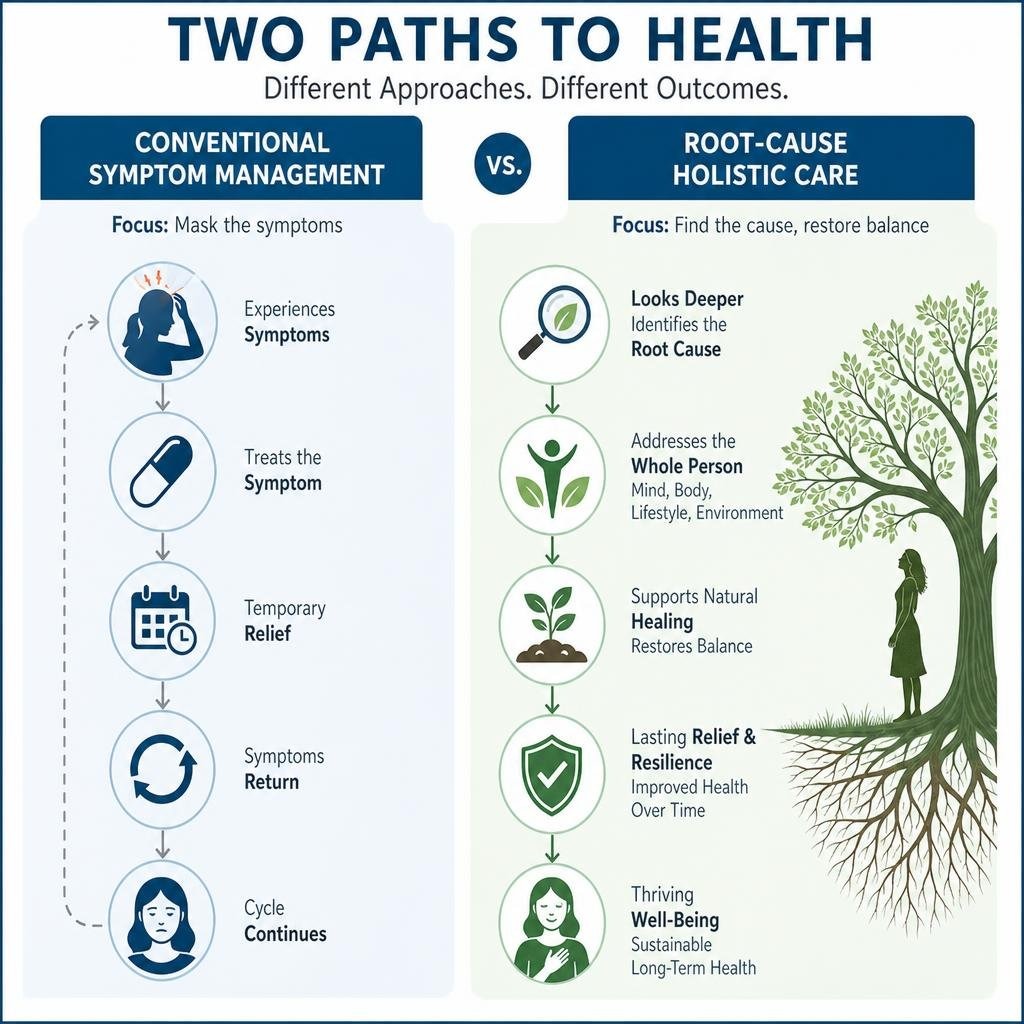
At its heart, holistic medicine is a healing philosophy that employs natural, non-invasive methods to address health concerns through a whole-person lens. Unlike conventional medicine, which often focuses on diagnosing and treating specific diseases or symptoms, holistic care aims to understand why an illness or imbalance has occurred. It seeks to identify and treat the underlying root causes rather than just managing the outward manifestations.
The core principles of holistic healthcare, particularly those found in naturopathic medicine, guide practitioners and empower patients. These principles include:
- First Do No Harm: This foundational tenet prioritizes the use of the least invasive and least toxic interventions necessary to restore health. It encourages methods that support the body’s natural healing processes without causing undue side effects.
- The Healing Power of Nature: Holistic practitioners recognize the body’s inherent ability to heal itself. Therapies are designed to remove obstacles to healing and to facilitate this innate wisdom.
- Identify and Treat the Causes: Rather than simply suppressing symptoms, holistic care delves deeper to uncover the fundamental physical, mental, emotional, and environmental factors contributing to illness. For example, persistent headaches might be traced back to dietary triggers, chronic stress, or postural imbalances, not just treated with painkillers.
- Doctor as Teacher: The term “doctor” itself comes from the Latin “docere,” meaning “to teach.” In holistic healthcare, practitioners act as guides, educating and empowering patients to take an active role in their health journey. This collaborative approach fosters self-responsibility and informed decision-making.
- Treat the Whole Person: This principle emphasizes that health is a complex interplay of physical, mental, emotional, spiritual, social, and environmental factors. A holistic practitioner considers all these aspects when developing a personalized treatment plan, ensuring that care is tailored to the individual’s unique needs.
- Prevention: Holistic medicine places a strong emphasis on preventing illness before it takes hold. By identifying risk factors and promoting healthy lifestyle choices, it aims to maintain optimal health and well-being over the long term.
This approach contrasts with a purely conventional model, which might focus on pharmaceutical interventions or surgical procedures to alleviate symptoms. While conventional medicine excels in acute care and emergency situations, holistic care offers a powerful complementary path, particularly for chronic conditions and overall wellness. In fact, data from as far back as 2007 indicated that a significant portion of healthcare workers, 76%, were already integrating complementary and alternative medicine into their practices, recognizing its value. This trend highlights a growing appreciation for a more integrated approach to health.
Evaluating the Mind-Body-Environment Connection
One of the most crucial aspects of holistic non-invasive healthcare is its profound understanding of the mind-body-environment connection. We know that our thoughts, emotions, and external surroundings profoundly influence our physical health. For instance, chronic stress can manifest as digestive issues, headaches, or weakened immunity. Environmental toxins can contribute to inflammation and chronic diseases.
Holistic medicine addresses these mental, emotional, and environmental factors by:
- Recognizing the Impact of Stress: Chronic stress triggers a “fight or flight” response, leading to hormonal imbalances and systemic inflammation. Holistic approaches incorporate stress-reduction techniques like mindfulness, meditation, breathwork, and yoga to regulate the nervous system and promote relaxation.
- Considering Emotional Well-being: Emotional health is not separate from physical health. Unresolved emotional trauma, anxiety, or depression can contribute to physical ailments. Holistic practitioners may recommend therapies that support emotional processing and resilience, such as counseling, energy work, or expressive arts.
- Assessing Environmental Triggers: Our living and working environments can expose us to allergens, pollutants, and other stressors. Holistic care often involves evaluating a patient’s environment for potential triggers and recommending strategies to minimize exposure, such as air and water purification, or dietary changes to reduce inflammatory responses.
- Promoting Healthy Lifestyle Habits: Diet, exercise, sleep, and social connections are fundamental pillars of health. Holistic practitioners work with patients to optimize these areas, understanding that consistent healthy habits are powerful tools for disease prevention and recovery. This patient-centered approach empowers individuals to actively participate in their healing journey, fostering greater autonomy and long-term success.
By considering these interconnected elements, holistic healthcare provides a comprehensive framework for understanding and addressing the root causes of health issues, leading to more sustainable and profound healing.
Core Modalities of Holistic Non-Invasive Healthcare
Holistic non-invasive healthcare encompasses a wide array of therapeutic modalities, all designed to support the body’s natural healing processes without resorting to surgery or pharmaceutical interventions unless absolutely necessary. These therapies are often personalized and integrated to create a comprehensive treatment plan.
Musculoskeletal and Neuromuscular Therapies
Many common ailments, from chronic back pain to headaches, stem from issues within the musculoskeletal and nervous systems. Non-invasive therapies in this category aim to restore proper function, reduce pain, and enhance the body’s overall structural integrity.
- Spinal Alignment and Posture Correction: Techniques like chiropractic care focus on the relationship between the spine and the nervous system. By addressing misalignments (subluxations), chiropractors aim to improve nerve function, reduce pain, and enhance the body’s ability to heal. This can be particularly beneficial for conditions like sciatica, tension headaches, and scoliosis. It’s a powerful approach that can reduce the need for more invasive interventions. For instance, patients who incorporate chiropractic adjustments into their care for spinal pain are reportedly 50% less likely to fill an opioid prescription compared to those who do not. This highlights its significant role in pain management and addiction prevention. For those seeking to optimize their nervous system function and overall structural health, exploring neurologically-based chiropractic care can offer profound benefits.
- Laser Therapy: Low-level laser therapy (LLLT) or cold laser therapy uses specific wavelengths of light to stimulate cellular function, accelerate tissue repair, and reduce inflammation and pain. It’s a non-thermal process, meaning it doesn’t heat the tissue, making it safe for a variety of conditions, including joint pain, muscle strains, and nerve damage.
- Spinal Decompression: This therapy gently stretches the spine, relieving pressure on spinal discs and nerves. It’s often used for conditions like herniated discs, bulging discs, and sciatica, offering a non-surgical alternative to alleviate chronic back and neck pain.
- Pain Reduction Techniques: Beyond specific therapies, many musculoskeletal approaches focus on educating patients about proper body mechanics, ergonomics, and exercises to strengthen core muscles and improve flexibility, preventing future pain and injury.
Specialized Functional and Pelvic Health Interventions
An increasingly recognized area within holistic non-invasive healthcare is specialized functional and pelvic health. The pelvic floor muscles play a crucial role in core stability, bladder and bowel control, and sexual function. Dysfunction in this area can lead to a range of issues, from incontinence to chronic pelvic pain. Non-invasive interventions offer effective and empowering solutions.
- Core Rehabilitation: A strong core is fundamental to overall body function. Therapies focus on strengthening deep abdominal and pelvic floor muscles, improving posture, and restoring functional movement patterns. This is vital for post-partum recovery, managing back pain, and enhancing athletic performance.
- Non-Surgical Restorative Therapy: This includes a variety of techniques designed to restore function and alleviate symptoms without surgery. It often involves targeted exercises, manual therapy, and education.
- Functional Movement Training: Rather than isolated exercises, functional movement training focuses on movements relevant to daily life, helping patients regain strength, coordination, and confidence in activities like lifting, walking, and bending.
- Biofeedback: This technique uses sensors to help patients gain conscious control over involuntary bodily functions, such as muscle contractions. In pelvic health, biofeedback can help individuals learn to properly engage and relax their pelvic floor muscles, which is particularly effective for conditions like urinary incontinence.
- Targeted Therapeutic Rehabilitation Techniques: These techniques often involve a combination of manual therapy, personalized exercise programs, and advanced modalities to address specific dysfunctions. For individuals experiencing issues such as bladder control problems, pelvic pain, or other related concerns, seeking assistance from a specialized pelvic health clinic can provide comprehensive and non-invasive solutions. Such clinics focus on restoring function and improving quality of life through tailored programs.

Traditional and Mind-Body Practices
Beyond physical manipulation and rehabilitation, holistic medicine often incorporates ancient wisdom and mind-body practices that have stood the test of time.
- Acupuncture: Originating from Traditional Chinese Medicine (TCM), acupuncture involves inserting thin needles into specific points on the body to balance energy flow (Qi). It’s widely used for pain management, stress reduction, nausea, and various chronic conditions. It’s gaining mainstream acceptance, with up to 10% of U.S. adults having tried acupuncture.
- Acupressure: Similar to acupuncture but without needles, acupressure applies pressure to specific points to stimulate energy flow and promote healing.
- Traditional Medicine Systems: This includes practices like Ayurveda (from India), which focuses on balancing bodily energies through diet, herbs, and lifestyle, and Traditional Chinese Medicine (TCM), which uses herbs, diet, and other modalities alongside acupuncture.
- Breathwork and Restorative Movement: Practices like yoga, Tai Chi, and Qigong combine gentle movements, breath control, and meditation to improve flexibility, strength, balance, and mental clarity. These are excellent for stress reduction and overall well-being.
- Massage Therapy: Beyond relaxation, therapeutic massage can alleviate muscle tension, improve circulation, reduce pain, and promote detoxification, contributing to both physical and mental health.
These diverse modalities underscore the holistic commitment to finding the gentlest yet most effective paths to health and healing, always prioritizing the patient’s individual needs and the body’s innate capacity for self-repair.
Advanced Diagnostics and Modern Technology in Preventative Care
The integration of cutting-edge technology with holistic principles represents an exciting frontier in non-invasive healthcare. Modern diagnostics are moving beyond reactive symptom-chasing to proactive, personalized health insights, aligning perfectly with the preventative ethos of holistic medicine.
Non-Invasive Screening and Multi-Biomarker Profiling
New technologies allow us to “see” inside the body and analyze complex biological data without invasive procedures, providing an unprecedented understanding of our health status.
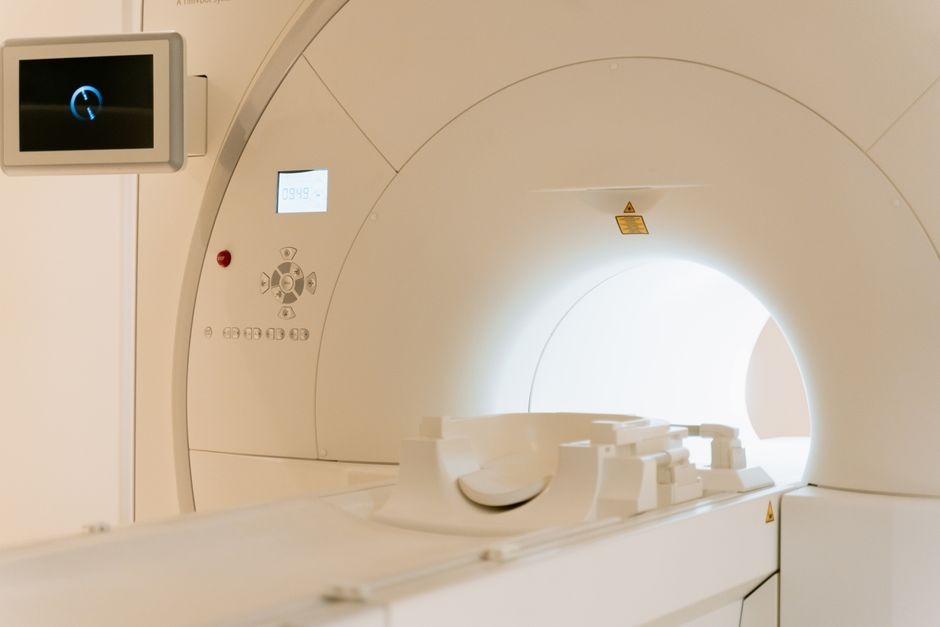
- Radiation-Free Imaging: Full-body MRI scans are a prime example. These advanced imaging techniques can screen for hundreds of conditions across major organ systems without exposing patients to ionizing radiation or requiring contrast agents. Completed in under an hour, they offer a detailed look at organs, soft tissues, and potential anomalies. This proactive screening can provide immense peace of mind and detect issues before they become symptomatic. For example, some services report that 1 in 3 members discovered major risks through their full-body scan, without prior symptoms. Furthermore, 4% of users had critical hidden issues detected before symptoms appeared, and 28% had major conditions that needed timely medical action.
- Metabolic Panels and Predictive Biomarkers: Beyond imaging, comprehensive blood and urine tests can analyze over 80 to 120+ biomarkers. These panels measure indicators related to inflammation, hormone levels, metabolic health (e.g., HbA1c, lipid profiles), and organ function. By tracking these biomarkers over time, practitioners can identify subtle deviations from optimal health, often long before symptoms manifest. For instance, 38% of urban adults have fatty liver and do not know it, and 35-50% of diabetics in India are unaware of their condition—conditions that could be flagged by comprehensive biomarker analysis.
- AI-Assisted Analysis: Artificial intelligence is revolutionizing diagnostic interpretation. AI algorithms can analyze vast amounts of imaging data and biomarker results, identifying patterns and potential risks that might be missed by the human eye. This enhances the accuracy and speed of early detection, making complex data more meaningful for both practitioners and patients.
Conventional Medicine vs. Integrative Holistic Diagnostics
The landscape of diagnostics highlights a key difference between conventional reactive medicine and proactive holistic screening.
| Feature | Conventional Reactive Diagnostics | Proactive Holistic Screening (e.g., Cent, Neko Health)
Conventional diagnostic models often operate reactively, waiting for symptoms to appear before initiating comprehensive investigations. This approach, while effective for acute issues, can lead to delayed detection for insidious diseases. Routine checkups, often driven by cost considerations, typically achieve only 15-20% early detection coverage for life-threatening conditions.
In contrast, integrative holistic diagnostics prioritize proactive, early detection. They utilize advanced non-invasive screenings and multi-biomarker profiling to identify subclinical warning signs and establish personalized health baselines. This includes:
- Comprehensive Multi-Modal Screening: Combining full-body MRI, low-dose CT scans (like CT Calcium Scoring), DEXA scans for body composition, and extensive blood and urine biomarker panels. This multi-omics approach provides a 360-degree view of health, detecting structural and functional anomalies before they progress.
- AI-Driven Synthesis: Artificial intelligence integrates data from various sources to provide organ-level risk scores and identify complex patterns that might indicate emerging health issues.
- Early Detection Index (EDI): Some advanced platforms utilize metrics like the EDI to quantify the effectiveness of their screening protocols. This index is calculated based on weighted disease burden, detection sensitivity, and system-level coverage across high-impact conditions like cardiovascular disease, cancer, neurological disorders, and metabolic dysfunction. For example, while basic tests might have only 30% accuracy for cardiac detection, advanced holistic screening can achieve 87%. Similarly, cancer detection accuracy can jump from 10% with basic tests to 68% with comprehensive screening.
This proactive approach aims to catch potential problems when they are most treatable, allowing for timely interventions and personalized preventative strategies. It shifts the focus from disease management to health optimization and longevity.
Key Benefits of Integrating Non-Invasive Holistic Care
Embracing holistic non-invasive healthcare offers a multitude of advantages that extend beyond mere symptom relief, contributing significantly to long-term wellness and a higher quality of life.
Reduced Medication Dependency and Opioid Risk
One of the most compelling benefits of non-invasive holistic approaches is their potential to reduce reliance on pharmaceutical medications, particularly prescription painkillers. Many chronic pain conditions, which are often managed with strong medications, can be effectively addressed through non-invasive therapies.
- Safe Alternatives: Therapies like chiropractic care, acupuncture, massage therapy, and physical rehabilitation offer potent alternatives for managing pain and inflammation. As mentioned earlier, patients receiving chiropractic care for spinal pain are 50% less likely to fill an opioid prescription compared to those who do not. This statistic powerfully illustrates the role of non-invasive therapies in mitigating the risks associated with opioid use.
- Side-Effect Minimization: All medications carry potential side effects. By opting for non-invasive methods first, patients can often avoid these adverse reactions, leading to a more comfortable and sustainable healing process.
- Addiction Prevention: The current opioid crisis underscores the critical need for non-pharmacological pain management strategies. Holistic care provides effective pathways to pain relief that do not carry the risk of addiction, promoting safer and healthier outcomes for individuals.
- Musculoskeletal Relief: Many non-invasive therapies excel at addressing the root causes of musculoskeletal pain, such as poor posture, muscle imbalances, or nerve compression. By correcting these underlying issues, they provide lasting relief, reducing the need for continuous medication.
The Long-Term Preventative Value of Holistic Non-Invasive Healthcare
Beyond immediate relief, holistic non-invasive care is fundamentally geared towards prevention and fostering sustainable wellness, leading to significant long-term benefits.
- Lower Healthcare Costs: By preventing chronic diseases and reducing the need for expensive surgeries, long-term medication, and frequent hospital visits, holistic preventative care can lead to substantial savings in healthcare expenditures over a person’s lifetime. Focusing on root causes and lifestyle adjustments is a more cost-effective strategy than managing advanced disease.
- Sustainable Wellness: Holistic approaches empower individuals with the knowledge and tools to maintain their health proactively. This includes personalized diet plans, exercise regimens, stress management techniques, and environmental awareness. This fosters a lifestyle that supports ongoing well-being rather than a cycle of illness and treatment.
- Disease Prevention: The emphasis on identifying and mitigating risk factors, coupled with advanced non-invasive diagnostics, means that potential health issues can be addressed before they escalate into serious conditions. Heart disease, stroke, cancer, diabetes, and chronic lung disease are collectively responsible for 74% of all deaths worldwide. Proactive holistic care aims to reduce this burden by promoting early detection and preventative lifestyle changes.
- Chronic Condition Management: For those already living with chronic conditions, holistic care offers strategies to manage symptoms, improve quality of life, and potentially slow disease progression, often in conjunction with conventional treatments.
- Patient Autonomy: Holistic healthcare empowers patients to become active participants in their own health. Through education and collaborative care, individuals gain a deeper understanding of their bodies and the factors influencing their well-being, leading to more informed decisions and greater self-efficacy.
By investing in holistic non-invasive healthcare, we are not just treating illness; we are building a foundation for a healthier, more vibrant future.
How to Choose a Qualified Holistic Practitioner
As interest in holistic non-invasive healthcare grows, so does the importance of selecting a qualified and reputable practitioner. Ensuring you receive care from a well-trained professional is paramount for effective and safe treatment.
When seeking a holistic healthcare provider, consider the following:
- Licensing Standards: Verify that the practitioner is licensed in their respective field by the appropriate state or national board. For example, licensed naturopathic doctors (NDs), chiropractors (DCs), and acupuncturists (L.Ac.s) undergo rigorous education and must meet specific licensing requirements. This ensures they have met professional standards for practice.
- Board Certifications: Look for additional board certifications relevant to their specialty. These demonstrate a commitment to advanced training and ongoing education in their field.
- Accredited Education: Inquire about their educational background. Reputable holistic practitioners graduate from accredited institutions. For instance, licensed naturopathic doctors complete comprehensive medical education comparable to medical doctors, including coursework, laboratory experience, practical application, and clinical residencies at accredited schools. Similarly, chiropractors hold a Doctor of Chiropractic (DC) degree, and acupuncturists typically complete multi-year master’s degrees.
- Collaborative Care Models: A good holistic practitioner understands the value of integration. They should be willing to collaborate with your conventional medical doctors, ensuring a cohesive and comprehensive approach to your health. This might involve sharing records, discussing treatment plans, and working as part of a multidisciplinary clinical team.
- Patient-Centered Philosophy: Look for a practitioner who embodies the “Doctor as Teacher” principle, empowering you with knowledge and involving you in decision-making. They should listen attentively, explain their recommendations clearly, and respect your health goals.
- Specialization and Experience: Consider if the practitioner has experience or specialization in the specific health concerns you are addressing. For instance, if you are dealing with chronic pain, a chiropractor with a focus on pain management might be ideal. If you are exploring women’s health issues, a practitioner with expertise in that area would be beneficial.
- Transparent Communication: A qualified practitioner will be transparent about their methods, expected outcomes, potential risks, and costs involved in treatment. They should also be realistic about what holistic care can achieve and when conventional medical intervention might be more appropriate.
By diligently researching and asking the right questions, you can find a holistic non-invasive healthcare practitioner who is well-qualified, aligns with your values, and can effectively support your journey toward optimal health and wellness.
Frequently Asked Questions about Holistic Non-Invasive Healthcare
Navigating healthcare can bring up many questions, especially when exploring approaches that differ from conventional norms. Here, we address some common inquiries about holistic non-invasive healthcare.
What is the primary difference between holistic medicine and conventional medicine?
The primary difference lies in their fundamental approach to health and illness. Conventional medicine typically operates from a disease-centric model, focusing on diagnosing specific conditions and treating symptoms, often with pharmaceuticals or surgery. Its strength lies in acute care, emergencies, and specific disease eradication.
Holistic medicine, conversely, adopts a person-centric model. It views health as a dynamic balance of physical, mental, emotional, spiritual, and environmental factors. Instead of just suppressing symptoms, it seeks to identify and address the root causes of imbalance or disease. This involves evaluating the whole person, empowering them with knowledge, and utilizing natural, non-invasive therapies to support the body’s inherent healing capabilities. While conventional medicine might ask, “What drug treats this symptom?”, holistic medicine asks, “Why is this symptom occurring in this person, and how can we restore balance?”
Can holistic non-invasive therapies be combined with standard medical treatments?
Absolutely. In fact, integrating holistic non-invasive therapies with conventional medical treatments often leads to better outcomes. This approach, known as integrative medicine, recognizes the strengths of both paradigms.
For example, a patient undergoing cancer treatment might use acupuncture to manage chemotherapy-induced nausea or fatigue. Someone recovering from surgery might incorporate physical rehabilitation, massage, or dietary changes to accelerate healing and reduce pain. For chronic conditions like diabetes or heart disease, lifestyle modifications, stress reduction techniques, and nutritional support from a holistic perspective can significantly complement conventional medical management, potentially reducing medication dosages or preventing complications.
The key is open communication and collaboration between all healthcare providers involved. A good holistic practitioner will work alongside your primary care physician and specialists to ensure a coordinated and comprehensive care plan, maximizing benefits while minimizing potential conflicts. The growing acceptance of the importance of holistic medicine practices throughout a patient’s lifespan is evidenced by the 1.72 million patients who received hospice care in the United States in 2022, where comfort and holistic support are paramount.
How do modern diagnostic scans fit into a natural wellness plan?
Modern diagnostic scans, particularly non-invasive ones like full-body MRI and advanced biomarker profiling, fit seamlessly into a natural wellness plan by providing crucial, objective data for personalized prevention.
These technologies offer:
- Radiation-Free Baselines: They allow us to establish a detailed “baseline” of our health without harmful radiation exposure. This baseline can then be used to track changes over time, offering a clearer picture of health trends.
- Early Disease Detection: By detecting subclinical warning signs—changes that occur before symptoms appear—these scans enable proactive interventions. This aligns perfectly with the holistic principle of prevention, allowing individuals to make informed lifestyle adjustments or seek targeted therapies before a condition becomes advanced. For example, 80% of Neko Health clients scanned so far have come out in good health and require no follow up, demonstrating the value of early reassurance and intervention when needed.
- Personalized Prevention: The insights gained from these scans (e.g., identifying specific organ risks, metabolic imbalances, or genetic predispositions) allow holistic practitioners to tailor wellness plans with precision. Instead of generic advice, interventions can be highly personalized to address an individual’s unique risk profile.
- Biomarker Tracking: Continuous monitoring of biomarkers identified through advanced panels allows for ongoing adjustments to diet, supplements, and lifestyle, ensuring the wellness plan remains effective and responsive to the body’s needs.
These advanced diagnostics serve as powerful tools within a natural wellness framework, transforming prevention from a general concept into a data-driven, highly personalized strategy for long-term health and vitality.
Conclusion
The journey toward optimal health is deeply personal and multifaceted. As we’ve explored, holistic non-invasive healthcare offers a profound and empowering path, moving beyond temporary fixes to foster genuine, lasting well-being. By embracing its core principles—from prioritizing the body’s innate healing capacity to treating the whole person and addressing root causes—we unlock a more sustainable approach to health.
The diverse array of non-invasive modalities, from neurologically-based chiropractic care and specialized pelvic health interventions to time-honored practices like acupuncture, provides gentle yet powerful avenues for healing and prevention. Furthermore, the integration of advanced technologies like full-body MRI and AI-driven diagnostics offers unprecedented insights, transforming reactive care into proactive, personalized wellness strategies.
The benefits are clear: reduced reliance on medication, lower risks of addiction, and a foundation for long-term health that empowers patients to take an active role in their own vitality. In August 2026, as we look to the future of healthcare, the holistic non-invasive model stands out as a beacon for comprehensive, compassionate, and effective care. By making informed decisions and choosing qualified practitioners, we can all embark on a journey towards greater balance, longevity, and a truly holistic life.