

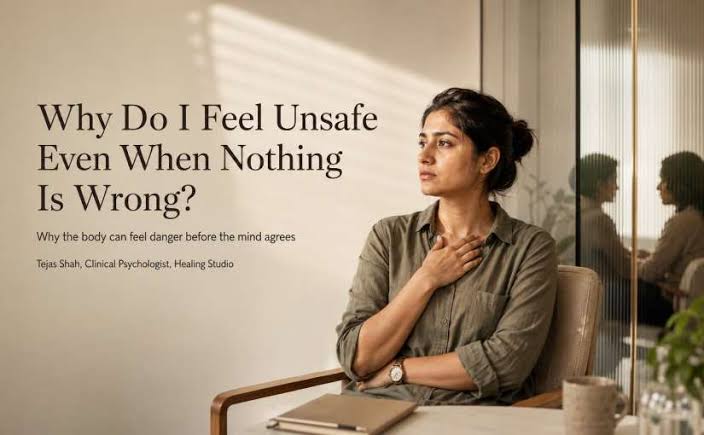
A healthy relationship is often described as a place where people feel supported, understood, and valued. However, many individuals find themselves experiencing fear, anxiety, or emotional discomfort even when they are with a caring and trustworthy partner.
They may question the stability of the relationship, worry about being abandoned, struggle to accept affection, or feel the need to constantly look for signs that something is wrong. This can feel confusing because the relationship itself may appear healthy from the outside.
The reason behind these feelings often goes deeper than the current relationship. In many cases, a person’s past experiences, emotional patterns, and beliefs about connection influence how safe they feel with another person.
Emotional Safety Is More Than Being in a Healthy Relationship
Being in a healthy relationship does not automatically guarantee that someone will feel emotionally secure. Emotional safety involves feeling comfortable expressing needs, showing vulnerability, trusting another person, and believing that the relationship can handle challenges.
For some people, these experiences can feel unfamiliar. Even when a partner is consistent, loving, and supportive, their nervous system may still respond as if there is a potential threat.
This can happen because the brain does not only respond to what is happening in the present—it also relies on past experiences to predict what might happen next.
How Early Experiences Influence Adult Relationships
Our earliest relationships often shape the way we understand closeness, trust, and emotional connection. Through childhood experiences, people develop expectations about whether others will be available, whether their feelings matter, and whether relationships are dependable.
When someone grows up experiencing inconsistency, emotional distance, criticism, or unpredictability, they may develop protective patterns that continue into adulthood.
These patterns can appear as:
- Constantly seeking reassurance from a partner.
- Feeling anxious when communication changes.
- Expecting rejection even without evidence.
- Finding it difficult to fully trust someone.
- Creating emotional distance to avoid potential pain.
Learning more about these emotional patterns through an attachment course can help people understand where these reactions come from and explore healthier ways of building security in relationships.
Why Healthy Relationships Can Still Trigger Fear
A common misconception is that anxiety or insecurity in a relationship means something is wrong with the partner. While relationship problems can certainly create stress, sometimes these reactions come from internal fears rather than current circumstances.
For example, someone who has experienced abandonment in the past may interpret a delayed message as a sign that their partner is losing interest. Someone who learned to rely only on themselves may feel uncomfortable when another person offers genuine support.
The relationship may be safe, but the person’s previous experiences may make safety feel unfamiliar.
The Difference Between Emotional Triggers and Reality
One of the biggest challenges in relationships is learning to separate emotional reactions from actual evidence.
A feeling can be real without always representing the truth of the current situation.
For example:
- Feeling afraid of losing someone does not mean they are leaving.
- Feeling uncomfortable with vulnerability does not mean vulnerability is dangerous.
- Feeling anxious during conflict does not mean the relationship is failing.
Developing awareness of these reactions allows people to respond more intentionally instead of automatically repeating old patterns.
Building a Stronger Sense of Emotional Security
Feeling safer in relationships is a process that requires awareness, patience, and practice. Some approaches that can support emotional growth include:
Recognizing Personal Patterns
The first step is identifying situations that create strong emotional reactions. Understanding personal triggers makes it easier to respond with curiosity instead of judgment.
Improving Communication
Healthy relationships are built through honest conversations. Expressing needs, fears, and boundaries allows both partners to create a stronger sense of trust.
Practicing Emotional Regulation
Learning how to manage intense emotions can prevent fear and anxiety from controlling relationship decisions. Techniques such as mindfulness, reflection, and grounding exercises can help create more balance.
Allowing Trust to Develop Over Time
Trust is not created through a single conversation or experience. It develops through repeated moments of reliability, honesty, and emotional support.
Feeling Unsafe Does Not Mean a Relationship Is Wrong
Many people assume that discomfort in a relationship is proof that something is broken. However, feeling unsafe can sometimes be a sign that old emotional patterns are being brought to the surface.
A supportive relationship can provide an opportunity to recognize these patterns and create new experiences of trust and connection.
The goal is not to eliminate every fear or moment of uncertainty. Instead, it is to develop the ability to recognize those feelings, understand where they come from, and choose healthier responses.
Creating Healthier Relationship Patterns
Everyone carries experiences that influence how they connect with others. Some patterns develop from positive experiences, while others develop as ways of protecting ourselves during difficult situations.
The good news is that emotional patterns can change. With self-awareness, education, and consistent effort, people can develop a stronger sense of security and create relationships built on trust, openness, and emotional connection.
A healthy relationship is not one without challenges—it is one where both people have the opportunity to grow, heal, and feel increasingly safe with each other.




1 Comment
Pingback: 8 Ways To Support Seniors’ Mental Health When Loneliness Sets In