Introduction
In today’s rapidly evolving healthcare landscape, a public health certification has become more than just a credential—it’s a strategic step toward a meaningful and impactful career. Whether you’re a recent graduate or a working professional looking to pivot into the public health sector, earning a certification can open doors to new opportunities, higher salaries, and leadership roles.
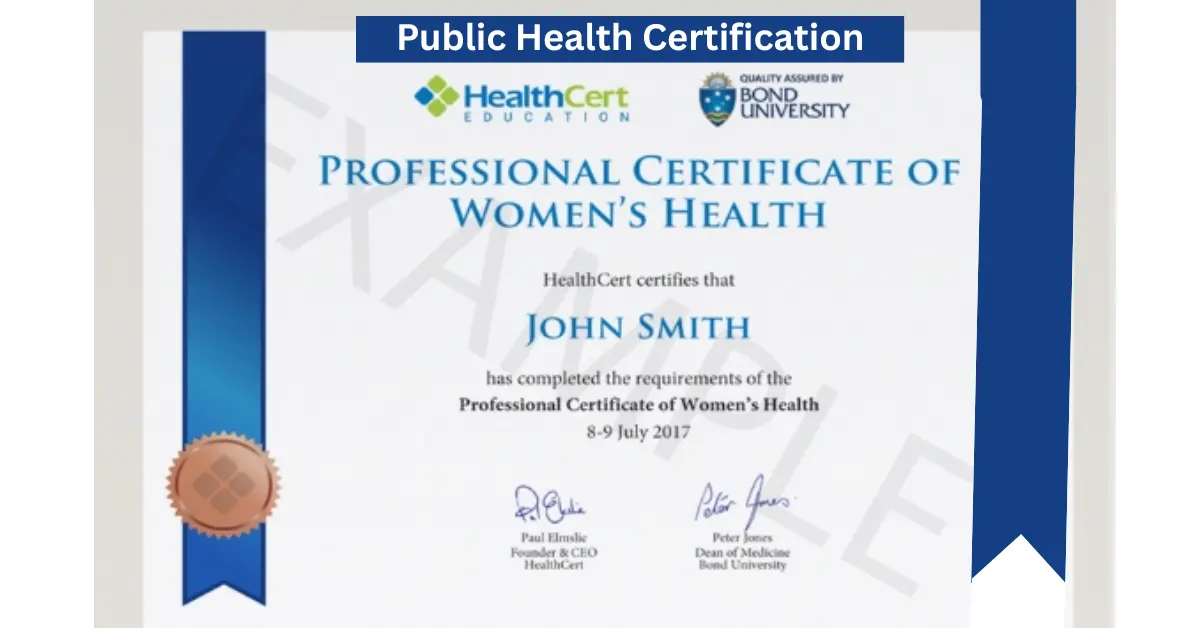
A public health certification is an official recognition that you have gained specific skills and knowledge in areas such as epidemiology, health education, environmental health, or global health. Unlike full degree programs, these certifications are often shorter, more focused, and tailored for those who want to advance their careers or specialize in a particular area of public health.
With increasing global health challenges—like pandemics, chronic diseases, and climate-related health risks—the demand for qualified public health professionals is on the rise. Governments, nonprofits, and private organizations are actively seeking individuals with recognized public health certifications to help lead prevention efforts, policy-making, and community health initiatives.
Investing in a certificate in public health not only boosts your professional credibility but also shows your commitment to making a real difference in population health.
What is a Public Health Certification?
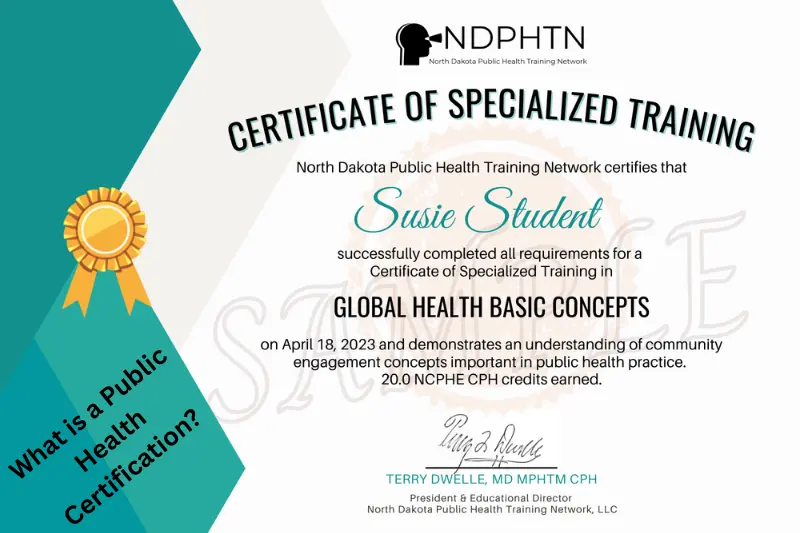
A public health certification is a formal credential awarded to individuals who have completed specialized training and demonstrated competence in specific areas of public health. These certifications validate your expertise and signal to employers, institutions, and peers that you meet industry-recognized standards.
Unlike full degree programs, public health certifications are typically shorter and more targeted. They focus on key topics such as epidemiology, health promotion, biostatistics, environmental health, or global health policy. Certifications can be academic—offered by universities as part of continuing education—or professional, such as the Certified in Public Health (CPH) credential, which is recognized by the National Board of Public Health Examiners (NBPHE).
It’s important to note the distinction between public health certifications and public health degrees. While a Master of Public Health (MPH) offers a broader education, certifications are ideal for professionals seeking to upskill, change career paths, or specialize in a particular domain without committing to a multi-year program.
Whether you’re looking to enhance your resume, meet licensing requirements, or gain a competitive edge in the job market, obtaining a certificate in public health can be a valuable and flexible option.
Types of Public Health Certifications
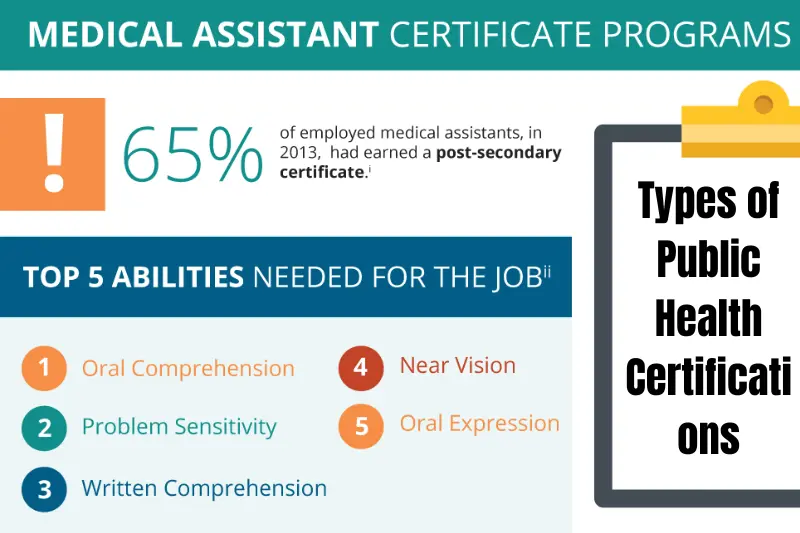
There are a variety of public health certifications available, each designed to meet different professional goals and areas of expertise. Whether you’re just starting out or looking to deepen your specialization, there’s likely a certificate in public health that aligns with your career path.
Certified in Public Health (CPH)
Offered by the National Board of Public Health Examiners (NBPHE), the CPH is one of the most recognized credentials in the field. It validates your core knowledge of public health and is ideal for those who have completed or are enrolled in a CEPH-accredited program.
Certified Health Education Specialist (CHES) / Master CHES
These certifications focus on health education and promotion. They are offered by the National Commission for Health Education Credentialing (NCHEC) and are perfect for professionals involved in community outreach, health literacy, and education.
Infection Control Certification (CIC)
This certification is ideal for those working in clinical or hospital settings. It emphasizes infection prevention, epidemiology, and outbreak response.
Environmental Health Certifications
For professionals focusing on air and water quality, hazardous materials, or occupational health, certifications like the Registered Environmental Health Specialist (REHS) are highly relevant.
Academic Certificate in Public Health
Many universities now offer online or on-campus certificate programs in public health, covering areas like global health, biostatistics, or public health policy. These are great for professionals wanting to gain formal education without pursuing a full degree.
These diverse options allow you to tailor your learning and credentials to your interests, career goals, and the needs of the ever-evolving public health sector.
Benefits of Getting Certified in Public Health
Earning a public health certification offers a wide range of benefits for both new professionals and experienced practitioners. Whether you’re advancing your career or entering the field for the first time, a certification provides a competitive edge and demonstrates your commitment to improving community health.
Career Advancement Opportunities
A certificate in public health can significantly enhance your resume and make you a more attractive candidate for employers. Many organizations prefer or require certifications when hiring for roles in epidemiology, health education, policy analysis, and program management.
Increased Earning Potential
Certified professionals often command higher salaries. A recognized public health certification can position you for leadership roles and promotions, especially in government agencies, NGOs, and healthcare systems.
Specialized Knowledge and Skills
Certification programs focus on specific public health competencies, allowing you to develop expertise in areas like disease prevention, health equity, or data analysis—skills that are in high demand.
Professional Credibility and Recognition
Holding a public health certification shows employers, peers, and the public that you meet national or international standards. It reflects your dedication to ethical practice, ongoing education, and public service.
Greater Impact on Public Health Outcomes
With the right training and credentials, you’re better equipped to make meaningful contributions to community health, policy development, and health equity initiatives.
In short, a public health certification doesn’t just boost your qualifications—it empowers you to make a greater impact in one of the most important fields of our time.
How to Choose the Right Public Health Certification for You
With so many public health certifications available, selecting the right one can feel overwhelming. However, the best choice depends on your career goals, current qualifications, and area of interest within public health. Here’s how to make an informed decision:
Define Your Career Goals
Start by identifying where you want to go professionally. Are you aiming to become a health educator, epidemiologist, policy analyst, or environmental health specialist? Each role may align with a different certificate in public health.
Example: If you’re interested in community education, the CHES certification may be ideal. If you’re targeting leadership roles, consider the CPH credential.
Check Prerequisites and Eligibility
Some public health certifications—like the CPH—require a degree from a CEPH-accredited program or relevant work experience. Others may be open to all applicants. Be sure to review eligibility requirements before applying.
Consider Cost and Time Commitment
Certification programs can vary widely in price and duration. Academic certificates may take a few months, while professional credentials could involve ongoing education and renewal fees.
Choose Between Online and In-Person Options
If you’re a working professional, online certificate in public health programs offer flexibility. However, in-person courses may offer networking opportunities and hands-on experience that some learners value.
Accreditation and Industry Recognition
Ensure that the program or issuing body is reputable. Certifications from recognized institutions and boards carry more weight with employers and licensing agencies.
Choosing the right public health certification is a strategic step—one that should align with your professional direction, interests, and long-term impact in the field.
Top Programs Offering a Certificate in Public Health
Here are some well-known programs that offer a certificate in public health, ranging from fully online to university-based graduate certificates. These help you compare options in terms of flexibility, prestige, cost, and specialization.
| Program | Institution | Mode (Online / In-Person / Hybrid) | Key Features |
|---|---|---|---|
| Certificate in Public Health and Health Services | University of the People | Fully online | Takes as little as 7 months, low cost per course; good foundation if you may later pursue a degree. (University of the People) |
| Graduate Certificate in Global Public Health | Cedarville University | Online accelerated | Four ~7-week courses; suitable for those in health, nursing, psychology, social work, public administration. (Cedarville University) |
| Graduate Certificate of Public Health | Monash University | Online | Globally ranked institution; emphasizes strong foundational public health knowledge. (Monash Online) |
| Certificate Programs | Johns Hopkins Bloomberg School of Public Health | Online & In-person | Very broad; specialties cover vaccine science, health informatics, health economics & more. Recognized globally. (Johns Hopkins Public Health) |
| Graduate Certificates (Population & Health Sciences) | University of Michigan School of Public Health | Online (for graduate students) | Specialization options like epidemiology, environmental health, health equity etc. (www1.sph.umich.edu) |
| Undergraduate Certificate in Public Health Leadership | CSU Global | Online | Focused on leadership, managing health programs, policy, and population health. Good for someone starting out or combining with undergrad. (Colorado State University Global) |
| 100% Online Certificate in Public Health Training | University of Louisville | Online | 12-credit / 4-course format; covers epidemiology, biostatistics, prevention and applying public health principles in organizations & government. (uoflonline.com) |
| Public Health Certificate Programs | Drexel University Dornsife School of Public Health | Online | Multiple certificates: general public health, infectious disease prevention, maternal & child health, etc. Especially good if you want specialization. (Drexel University) |
| Local Certificate Courses | Institute of Public Health, Punjab (Pakistan) | In-person / blended locally | Short courses (one month, six months) in applied epidemiology, fundamental public health topics. Useful for local professionals. (Punjab Government IPH) |
Steps to Get Certified in Public Health
Getting your public health certification is a structured process that involves careful planning and dedication. Here are the key steps to help you navigate this journey successfully:
Research Available Certifications and Programs
Start by exploring the types of certifications that align with your career goals and interests. Look into program requirements, course content, duration, and costs to find the best fit.
Meet Eligibility Requirements
Ensure you meet the prerequisites, which may include a certain level of education, relevant work experience, or enrollment in a degree program accredited by public health organizations.
Enroll in a Certificate Program
Once you’ve identified a program, register and begin coursework. Many programs offer online, in-person, or hybrid formats to suit your schedule.
Complete Required Coursework
Successfully finish all required classes, which typically cover foundational public health topics like epidemiology, biostatistics, health policy, and community health.
Prepare for and Pass Certification Exams (If Applicable)
Some certifications, such as the Certified in Public Health (CPH), require passing an exam that tests your knowledge and skills.
Maintain Your Certification
Many certifications require ongoing education (continuing education units or CEUs) and periodic renewal to ensure you stay current with public health practices.
Following these steps will help you gain a recognized public health certification, positioning you for career advancement and greater impact in the field.
FAQs About Public Health Certifications
Is a public health certification worth it?
Yes! A certification boosts your credentials, enhances job prospects, and often leads to higher salaries. It also demonstrates your commitment to professional growth in public health.
How long does it take to get certified in public health?
The time varies. Some certificate programs can be completed in a few months, while professional certifications may require additional study and exam preparation.
What jobs can I get with a public health certification?
Certifications open doors to roles such as health educator, epidemiologist, program coordinator, policy analyst, infection control specialist, and public health manager.
Can I get a certificate in public health online?
Absolutely. Many accredited universities and institutions offer fully online certificate programs, allowing flexibility for working professionals.
What’s the difference between a public health degree and a certification?
A degree (like an MPH) provides a comprehensive education over several years, while a certification focuses on specific skills and knowledge areas and usually takes less time.
Do public health certifications expire?
Some do. Many certifications require periodic renewal through continuing education or re-examination to maintain active status.
Conclusion
Earning a public health certification is a powerful way to advance your career, build specialized expertise, and make a meaningful impact on community health. With the growing demand for qualified public health professionals worldwide, obtaining a certificate in public health can set you apart in a competitive job market.
From flexible online programs to recognized professional credentials, there are many pathways to fit your goals, schedule, and interests. Whether you aim to work in health education, epidemiology, policy, or environmental health, the right certification will equip you with the knowledge and credibility needed to succeed.
If you’re ready to take the next step, start exploring accredited programs today and invest in your future as a public health leader.