Introduction
Our eyes are among the most vital organs in the body, allowing us to experience and interact with the world around us. Yet, despite their importance, eye health is often overlooked—until problems arise. From minor irritations to serious vision-threatening conditions, eye problems can significantly affect daily life, making routine tasks like reading, driving, or using digital devices challenging.
Understanding common eye diseases and conditions is essential for early detection and effective treatment. Whether it’s a temporary issue or a chronic disorder, recognizing the signs of potential eye problems can help preserve vision and maintain overall quality of life. In this article, we explore the most common eye conditions, their causes, symptoms, and how to protect your eyesight for the long term.
What Are Eye Diseases and Conditions?
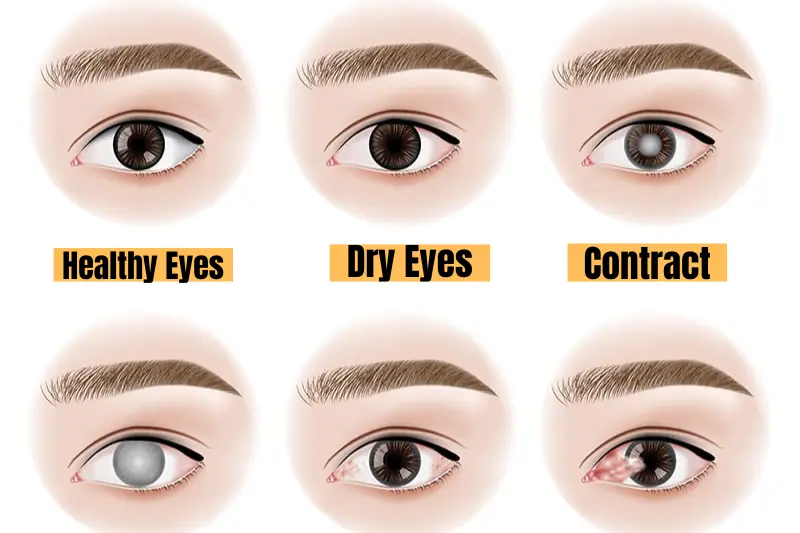
Eye diseases and conditions refer to a wide range of issues that affect the eyes and visual system. These can include temporary eye problems like dryness or irritation, as well as more serious, long-term conditions such as glaucoma or macular degeneration that may lead to permanent vision loss if left untreated.
Unlike occasional discomfort or eye strain, eye diseases typically involve structural or functional damage to parts of the eye, including the retina, cornea, optic nerve, or lens. Some conditions develop gradually over time, while others may appear suddenly and require immediate medical attention.
Understanding the difference between everyday eye problems and more serious diseases is crucial. For example, redness or itching might indicate conjunctivitis, while persistent blurry vision could signal a more advanced condition like diabetic retinopathy. Recognizing these differences helps in seeking timely professional care, reducing the risk of complications.
In short, being informed about eye diseases and conditions empowers individuals to take proactive steps in protecting their vision—something that becomes increasingly important with age or underlying health issues.
Most Common Eye Diseases and Conditions
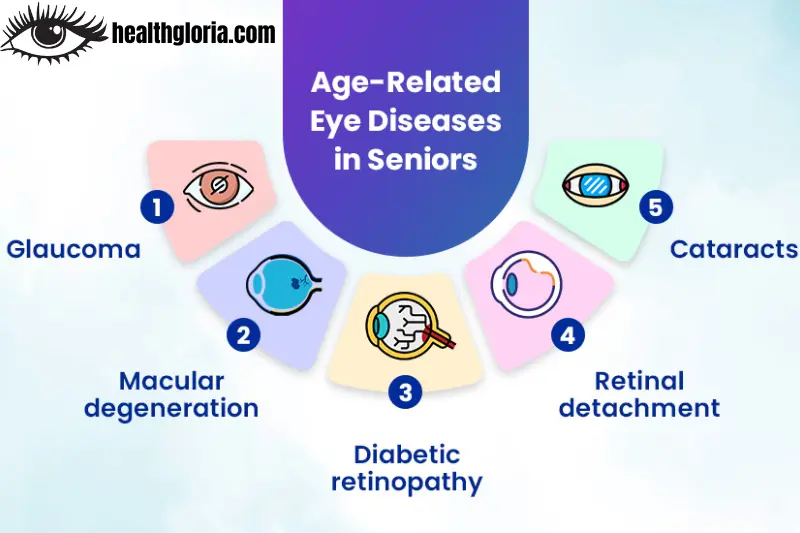
Many people will experience some form of eye disease or condition during their lifetime. While some eye problems are minor and treatable, others can lead to serious complications if not diagnosed early. Below are some of the most common eye diseases and conditions that affect people of all ages:
Cataracts
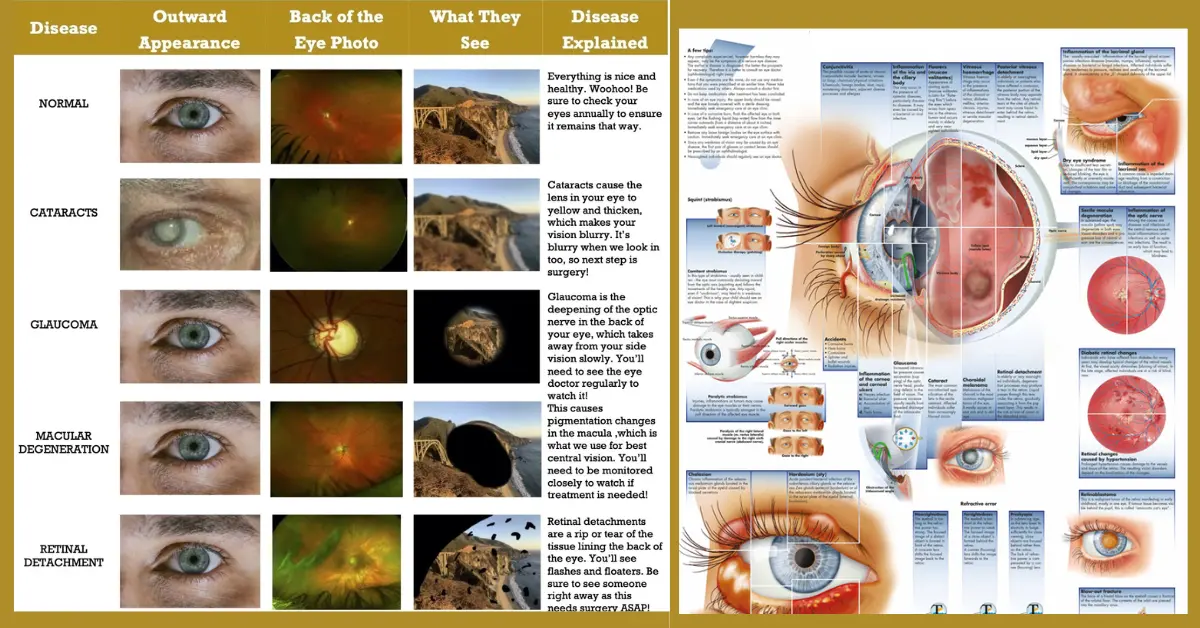
Cataracts occur when the eye’s natural lens becomes cloudy, leading to blurry vision, faded colors, and increased sensitivity to light. This condition is most common in older adults but can develop earlier due to genetics, injury, or certain medications. Cataract surgery is a safe and effective treatment.
Glaucoma
Often called the “silent thief of sight,” glaucoma damages the optic nerve, usually due to increased eye pressure. It progresses slowly and often has no symptoms until significant vision loss has occurred. Regular eye exams are critical for early detection.
Age-Related Macular Degeneration (AMD)
AMD affects the macula—the central part of the retina responsible for sharp vision. It leads to difficulty reading, recognizing faces, or seeing fine detail. This condition is a leading cause of vision loss in people over 60.
Diabetic Retinopathy
This condition occurs in people with diabetes and results from damage to the blood vessels in the retina. In its early stages, it may not cause symptoms, but it can progress to permanent vision loss if not managed properly.
Dry Eye Syndrome
Dry eye happens when the eyes don’t produce enough tears or when tears evaporate too quickly. Common symptoms include burning, redness, and a gritty feeling. It’s often linked to screen time, aging, and environmental factors.
Conjunctivitis (Pink Eye)
Conjunctivitis is an inflammation or infection of the conjunctiva—the transparent layer covering the white part of the eye. It can be caused by bacteria, viruses, or allergens and is highly contagious in its viral or bacterial forms.
Refractive Errors
While not classified as a disease, refractive errors like myopia (nearsightedness), hyperopia (farsightedness), astigmatism, and presbyopia are among the most common eye problems. They affect how light is focused on the retina and are typically corrected with glasses, contact lenses, or refractive surgery.
Causes and Risk Factors
Understanding the causes and risk factors behind eye diseases and conditions is essential for prevention and early intervention. While some eye problems are inherited or age-related, others stem from lifestyle choices, underlying health issues, or environmental exposure.
Aging
Age is one of the most significant risk factors for many eye diseases, including cataracts, glaucoma, and macular degeneration. As we grow older, the eyes undergo natural changes that can affect vision and increase vulnerability to certain conditions.
Genetics and Family History
Some eye diseases, such as glaucoma and retinal disorders, tend to run in families. If you have a close relative with a serious eye condition, your risk may be higher—making regular eye exams especially important.
Chronic Health Conditions
Diseases like diabetes and hypertension can significantly impact eye health. For example, diabetic retinopathy is directly linked to uncontrolled blood sugar levels, while high blood pressure can damage the tiny blood vessels in the retina.
Environmental Factors
Prolonged exposure to UV rays, pollution, smoke, and dry or windy climates can contribute to eye problems like dry eye syndrome, cataracts, and irritation. Wearing sunglasses and using artificial tears can help mitigate these effects.
Poor Lifestyle Habits
Smoking increases the risk of macular degeneration and cataracts. Excessive screen time can cause digital eye strain, while poor diet lacking in key nutrients (like vitamins A, C, and E) may also harm eye health.
Eye Injuries or Infections
Trauma to the eye or untreated infections can lead to long-term eye diseases or complications, including corneal damage or vision loss.
Knowing these risk factors empowers you to make healthier choices, get timely screenings, and lower your risk of developing serious eye problems.
Signs and Symptoms to Watch For
Recognizing early signs of eye diseases and conditions can make a significant difference in preserving your vision. While some eye problems may seem minor at first, they can be early indicators of more serious underlying issues.
Here are some of the most common symptoms to look out for:
Blurry or Distorted Vision
Sudden or gradual blurriness can be a sign of refractive errors, cataracts, or macular degeneration. Distorted vision—such as straight lines appearing wavy—often points to retinal problems.
Eye Pain or Discomfort
Pain in or around the eye should never be ignored. It could be caused by glaucoma, corneal ulcers, or infections. Even mild discomfort could indicate dry eye or irritation from screen exposure or allergens.
Redness or Swelling
Persistent redness or swelling may be a sign of conjunctivitis, allergies, or more serious inflammation like uveitis. If it doesn’t improve within a day or two, it’s best to seek medical advice.
Sensitivity to Light (Photophobia)
Discomfort when exposed to bright light may indicate corneal issues, migraines, or inflammation inside the eye.
Floaters and Flashes
Seeing floaters (tiny specks or cobwebs drifting across your vision) or sudden flashes of light could be normal—but if they appear suddenly or increase, they may indicate retinal detachment, which requires immediate attention.
Poor Night Vision
Difficulty seeing at night or in low-light conditions can be associated with cataracts, vitamin A deficiency, or early stages of retinal diseases.
Double Vision
Seeing two images of a single object could result from corneal irregularities, lens issues, or neurological conditions.
Eye Fatigue or Strain
Frequent eye strain, especially after screen use or reading, may be linked to uncorrected vision problems, poor lighting, or digital eye strain (also called computer vision syndrome).
If you experience any of these symptoms—especially if they come on suddenly or worsen over time—it’s important to consult an eye care professional. Early detection of eye diseases and conditions can prevent long-term damage and preserve your sight.
Diagnosis and Treatment Options
Timely diagnosis and proper treatment are crucial when it comes to managing eye diseases and conditions. Whether you’re dealing with temporary eye problems or a chronic disease, modern eye care offers a wide range of tools and therapies to protect and restore vision.
Eye Examinations
Regular comprehensive eye exams are the first step in diagnosing most eye diseases. During an exam, an optometrist or ophthalmologist may:
- Test your visual acuity (sharpness of vision)
- Check for refractive errors
- Examine the retina and optic nerve
- Measure intraocular pressure (to screen for glaucoma)
Many serious eye conditions can develop silently, so early detection during a routine exam is key.
Common Diagnostic Tools
- Slit-lamp exam: Provides a magnified view of the eye’s structures
- Retinal imaging: Helps detect diabetic retinopathy, AMD, and other retinal conditions
- Tonometry: Measures eye pressure, essential for detecting glaucoma
- Optical Coherence Tomography (OCT): Offers detailed cross-sections of the retina
Treatment Options
Treatment varies depending on the specific condition:
- Eyeglasses or Contact Lenses: For correcting refractive errors such as nearsightedness or astigmatism
- Eye Drops: Used for treating glaucoma, dry eyes, infections, and allergies
- Medication: Oral or topical medications may be prescribed for infections, inflammation, or systemic causes
- Laser Therapy: Common in treating glaucoma, diabetic retinopathy, and retinal tears
Surgery:
- Cataract surgery to replace the cloudy lens
- Glaucoma surgery to relieve intraocular pressure
- Vitrectomy or retinal detachment repair for more serious retinal conditions
Role of Eye Care Professionals
- Optometrists: Diagnose and treat basic eye problems, prescribe corrective lenses, and manage some medical conditions
- Ophthalmologists: Medical doctors specializing in surgical and advanced treatment of eye diseases and conditions
Prompt and proper treatment not only relieves symptoms but can also prevent irreversible vision loss. The earlier a problem is caught, the better the outcome.
Preventing Eye Problems
While not all eye diseases and conditions can be avoided, many are preventable through simple lifestyle changes and proactive care. Taking steps to protect your eye health can significantly reduce your risk of developing both minor and serious eye problems over time.
Get Regular Eye Exams
One of the most effective ways to prevent vision loss is through routine eye check-ups. Even if you don’t wear glasses, a comprehensive eye exam can detect early signs of glaucoma, cataracts, diabetic retinopathy, and other conditions—often before symptoms appear.
Eat a Vision-Healthy Diet
A diet rich in vitamins and antioxidants supports long-term eye health. Focus on foods high in:
- Vitamin A (carrots, sweet potatoes)
- Vitamin C (oranges, bell peppers)
- Vitamin E (almonds, sunflower seeds)
- Omega-3 fatty acids (salmon, flaxseeds)
- Lutein and Zeaxanthin (leafy greens like spinach and kale)
These nutrients help protect the eyes from oxidative stress and age-related damage.
Protect Your Eyes from UV Rays
Long-term exposure to ultraviolet (UV) light increases the risk of cataracts and macular degeneration. Wear sunglasses that block 100% of UVA and UVB rays, even on cloudy days.
Limit Screen Time and Practice the 20-20-20 Rule
Digital eye strain is one of the most common modern eye problems. To reduce strain:
- Follow the 20-20-20 rule: Every 20 minutes, look at something 20 feet away for 20 seconds.
- Adjust screen brightness and positioning
- Use artificial tears if needed to reduce dryness
Quit Smoking
Smoking increases the risk of several serious eye diseases, including AMD, cataracts, and optic nerve damage. Quitting smoking benefits your eyes as well as your overall health.
Manage Chronic Conditions
Keep conditions like diabetes, high blood pressure, and high cholesterol under control, as they can directly impact your vision. Regular monitoring and medication compliance can help prevent associated eye complications.
Practice Good Hygiene
To avoid infections like conjunctivitis:
- Avoid touching your eyes with unwashed hands
- Replace contact lenses as directed
- Never share eye makeup or eye drops
Taking these preventive steps doesn’t just reduce the risk of eye problems—it also helps maintain clear, healthy vision for years to come.
When to Seek Medical Attention
Many eye problems start off as mild irritations or visual changes—but without proper care, they can quickly turn into serious eye diseases and conditions. Knowing when to seek professional help can protect your vision and prevent long-term complications.
Here are key warning signs that indicate it’s time to see an eye doctor:
Sudden Vision Loss or Blurry Vision
Any abrupt change in vision—especially if it affects one eye—requires immediate medical evaluation. It could signal retinal detachment, optic nerve damage, or stroke-related vision loss.
Eye Pain or Severe Discomfort
Persistent or sharp pain in or around the eye can be a sign of an underlying issue like glaucoma, uveitis, or corneal injury. Pain accompanied by nausea or vomiting could indicate a sudden increase in eye pressure and should be treated as an emergency.
Flashes, Floaters, or a Shadow in Your Vision
While floaters are common with age, a sudden increase in floaters, flashes of light, or the sensation of a dark curtain moving over your vision may indicate retinal detachment and requires urgent care.
Redness and Swelling That Doesn’t Improve
Red, swollen eyes that don’t respond to over-the-counter drops or worsen over time may suggest infection, inflammation, or an allergic reaction that needs medical attention.
Double Vision or Difficulty Focusing
Seeing double or struggling to focus can result from corneal issues, neurological disorders, or muscle dysfunction in the eyes. This symptom should never be ignored.
Sensitivity to Light (Photophobia)
Increased light sensitivity—especially if it’s new or worsening—could be linked to corneal abrasion, inflammation, or even serious infections.
Eye Injuries or Foreign Objects
Any trauma to the eye, even if it seems minor, should be examined by a professional. Avoid rubbing or applying pressure, and seek medical help immediately.
Ongoing Dryness, Itching, or Burning
Chronic dry eye symptoms may indicate dry eye syndrome or other underlying issues that require prescription treatment or management strategies.
If you’re unsure whether your symptoms are serious, it’s always better to err on the side of caution. Early intervention is one of the best ways to avoid permanent damage from eye diseases and conditions.
Conclusion
Maintaining good eye health is essential for preserving vision and ensuring a high quality of life. By understanding common eye diseases and conditions, their causes, symptoms, and treatment options, you empower yourself to take proactive steps in protecting your eyesight.
Whether it’s through regular eye exams, healthy lifestyle choices, or timely medical care, addressing eye problems early can prevent complications and preserve your vision for years to come. Don’t wait for symptoms to worsen—prioritize your eye health today and consult an eye care professional if you notice any changes.
Remember, your eyes are your windows to the world—taking care of them should always be a top priority.