Introduction
In recent years, gluten-free products have exploded in popularity, driven by increased awareness around gluten intolerance, celiac disease, and a general shift toward alternative diets. What once seemed like a niche category is now mainstream, with everything from bread to cookies getting a gluten-free makeover.
One of the most talked-about additions to the gluten-free snack aisle is the Gluten Free Oreo. Released by Nabisco in 2021, these cookies promise the same classic taste and texture as the original — just without the gluten. But while they’re safe for those with gluten sensitivities, many consumers are left wondering: How do they actually stack up in terms of nutrition?
In this article, we’ll break down the Gluten Free Oreos nutrition facts, take a closer look at the ingredients, and explore whether these cookies are truly a healthier option — or just a gluten-free twist on an indulgent treat.
What Are Gluten Free Oreos?
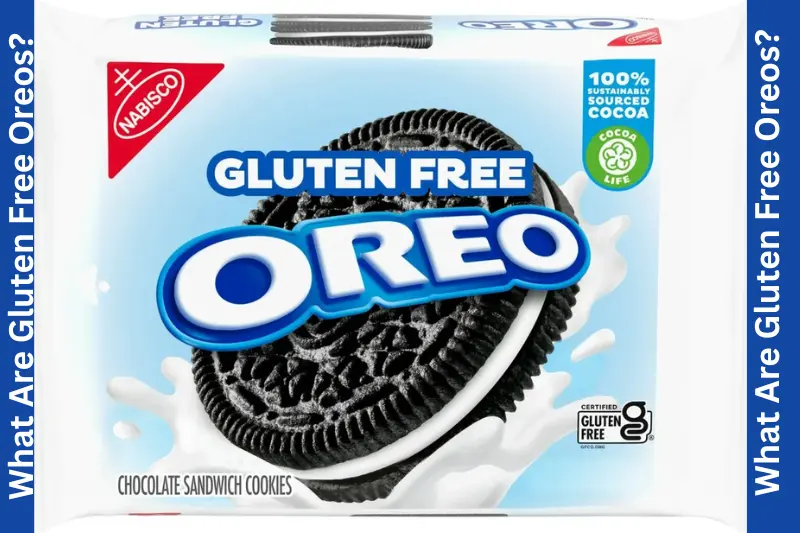
Gluten Free Oreos are a certified gluten-free version of the classic Oreo cookie, made specifically for people with celiac disease or gluten sensitivity. They were officially launched by Nabisco in early 2021 and quickly gained popularity among both gluten-free and curious snackers alike.
Unlike traditional Oreos, which are made with wheat flour (a source of gluten), Gluten Free Oreos use a combination of rice flour and tapioca starch to replicate the familiar chocolate cookie texture — without triggering gluten-related health issues. Despite the ingredient swap, the goal was to keep the taste and crunch as close to the original as possible.
There are currently two main varieties available in the gluten-free line:
- Classic Gluten Free Oreo (just like the original)
- Double Stuf Gluten Free Oreo (extra creme filling for those who like it richer)
For those avoiding gluten, these cookies offer a way to enjoy the nostalgic treat without the health risks. But beyond being gluten-free, how do they compare nutritionally to regular Oreos? Let’s take a closer look.
Gluten Free Oreos Nutrition Facts (Per Serving)
When it comes to indulging in cookies, nutrition matters — especially if you’re trying to make informed choices. Let’s break down the Gluten Free Oreos nutrition to see how they compare to the original.
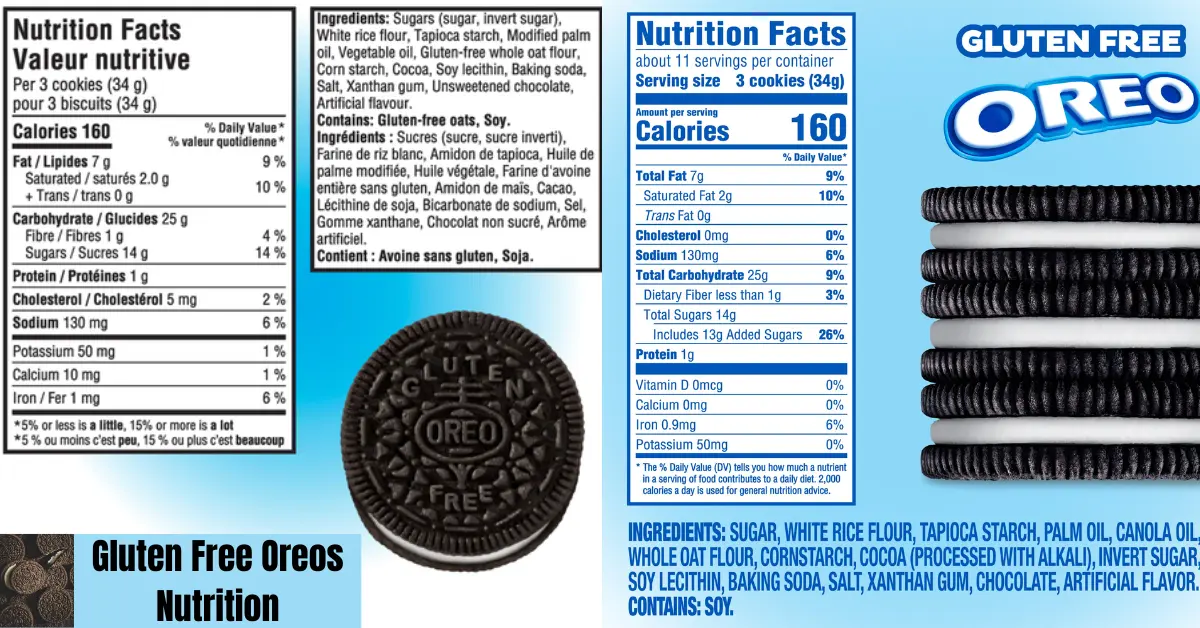
Nutrition Facts (Classic Gluten Free Oreo – per 3 cookies / 34g serving):
| Nutrient | Amount |
|---|---|
| Calories | 160 |
| Total Fat | 7g |
| Saturated Fat | 2g |
| Trans Fat | 0g |
| Cholesterol | 0mg |
| Sodium | 135mg |
| Total Carbohydrates | 25g |
| Dietary Fiber | <1g |
| Total Sugars | 14g |
| Added Sugars | 14g |
| Protein | <1g |
Note: These values are from Nabisco’s official packaging and may vary slightly by batch or retailer.
Gluten Free vs Regular Oreos: What’s the Difference?
Nutritionally, Gluten Free Oreos are nearly identical to their classic counterpart. The calorie count, sugar content, and fat levels are the same. The primary difference lies in the flour substitute — where regular Oreos use enriched wheat flour, gluten-free Oreos use a blend of rice flour and tapioca starch.
So, while they are safer for those with celiac disease or gluten intolerance, Gluten Free Oreos are not necessarily lower in sugar, fat, or calories.
Key Takeaways:
- Same calories and sugar as regular Oreos.
- Not a low-calorie snack — gluten-free doesn’t mean guilt-free.
- A suitable treat for gluten-sensitive individuals, but still an indulgence.
Ingredients in Gluten Free Oreos

What makes Gluten Free Oreos different — beyond just being gluten-free — lies in their ingredients. Nabisco has reformulated the classic Oreo to remove gluten-containing wheat while maintaining the signature taste and texture that fans love.
Gluten Free Oreo Ingredients (Classic Version):
- Sugar
- Palm and/or Canola Oil
- Rice Flour
- Tapioca Starch
- Cocoa (processed with alkali)
- Invert Sugar
- Leavening (baking soda and/or calcium phosphate)
- Soy Lecithin (emulsifier)
- Salt
- Xanthan Gum (thickener and stabilizer)
- Chocolate
- Natural Flavor
Allergen Info: Contains soy. While gluten is removed, Gluten Free Oreos are made in facilities that also handle dairy and other allergens, so individuals with multiple sensitivities should read packaging carefully.
What’s Different From Regular Oreos?
- No Wheat Flour: The biggest change — replaced by rice flour and tapioca starch, which are naturally gluten-free and offer a similar texture.
- Xanthan Gum: Helps mimic the elasticity and chewiness normally provided by gluten.
- Same sugar, fat, and oil content: Gluten-free doesn’t mean less processed — the product still contains sugar, oil, and additives for flavor and shelf stability.
Are These Ingredients Healthy?
While the cookies are gluten-free, they are still considered processed snacks with added sugars, refined oils, and low nutritional density. If you’re avoiding gluten for health reasons, these are a safe treat — but not a daily health food.
Are Gluten Free Oreos Healthier Than Regular Oreos?
This is the big question on many minds:
Does “gluten-free” automatically mean “healthier”? When it comes to Gluten Free Oreos, the answer is a bit more nuanced.
Nutritional Comparison: Not Much Difference
As we saw earlier in the nutrition facts, Gluten Free Oreos and regular Oreos are virtually identical in terms of:
- Calories
- Sugar content
- Fat and saturated fat
- Carbohydrates
The only real difference is in the type of flour used — rice flour and tapioca starch replace wheat flour. These substitutions remove gluten but do not significantly reduce calories or improve nutritional value.
Gluten-Free ≠ Health Food
It’s a common misconception that gluten-free versions of popular snacks are somehow “healthier.” In reality:
- They are still processed foods.
- They contain added sugars, refined oils, and artificial flavors.
- They offer minimal fiber or protein — both of which are important for satiety and nutrition.
So, while Gluten Free Oreos are a smart choice for those with celiac disease or gluten sensitivity, they aren’t inherently better for you than the regular kind.
Who Benefits Most?
- People with Celiac Disease
- Those with Non-Celiac Gluten Sensitivity
- Individuals following a gluten-free lifestyle for personal reasons
For everyone else, the health impact is the same — a sweet, processed treat best enjoyed in moderation.
Bottom Line:
Gluten Free Oreos are not healthier — just gluten-safe. If you’re choosing them for dietary restrictions, they’re a win. If you’re looking for a healthier cookie, you might want to explore other options with more nutritional value.
Who Should Eat Gluten Free Oreos?
While Gluten Free Oreos look and taste nearly identical to the classic version, they’re designed for a very specific group of people. Here’s who should consider adding them to their snack shelf:
People with Celiac Disease
This is the primary audience for gluten free Oreos. Celiac disease is an autoimmune condition where even small amounts of gluten can damage the small intestine. These cookies are certified gluten-free, which means they’re tested to contain less than 20 parts per million (ppm) of gluten — safe for most individuals with celiac.
Those with Non-Celiac Gluten Sensitivity
Some people experience symptoms like bloating, fatigue, or joint pain after consuming gluten — even if they don’t have celiac disease. Gluten Free Oreos offer a way to enjoy a sweet treat without triggering discomfort.
People Following a Gluten-Free Diet by Choice
Whether it’s for personal health goals, perceived digestive benefits, or simply experimenting with diet trends, many individuals choose to reduce or eliminate gluten. Gluten Free Oreos let them enjoy a nostalgic snack without compromising their dietary choices.
Kids with Gluten Intolerance
For children with dietary restrictions, finding treats that match what their friends are eating can be tough. These Oreos allow kids to enjoy a familiar cookie — no special alternatives needed at birthday parties or school lunches.
Who Should Probably Skip Them?
- People looking for a healthier snack option.
These cookies have the same sugar and fat content as regular Oreos. If health is your priority, you’re better off with lower-sugar, higher-fiber alternatives. - Those without gluten sensitivity or celiac disease.
Unless you have a medical reason, switching to gluten-free versions won’t provide added health benefits.
Tip: Just because it says gluten-free doesn’t mean it’s nutrient-rich. Always check the label — especially if you’re managing blood sugar, weight, or other health conditions.
Where to Buy Gluten Free Oreos
As demand for gluten-free products continues to grow, Gluten Free Oreos have become widely available both online and in physical stores. Whether you’re shopping for your first box or restocking your pantry, here’s where you can find them.
Major Retail Stores (In-Person)
You can find Gluten Free Oreos in the cookie or gluten-free section at most large grocery chains, including:
- Walmart
- Target
- Kroger
- Safeway
- Publix
- Whole Foods
- Costco (in bulk, availability may vary)
Tip: Check the “gluten-free” or “specialty diet” aisles — they may not always be stocked next to regular Oreos.
Online Retailers
If you prefer to shop from home, Gluten Free Oreos are easy to order online:
- Amazon – Offers single packs, bundles, and subscription options.
- Walmart.com – Often has both in-store pickup and delivery.
- Target.com – Check for deals and local inventory.
- Instacart – Order from nearby stores and get same-day delivery.
- Thrive Market – A good option for gluten-free households.
Bonus Tip: Online reviews often mention freshness and packaging quality — helpful for first-time buyers.
Available Varieties:
- Gluten Free Oreo (Classic)
- Gluten Free Double Stuf Oreo
- Limited-time seasonal gluten-free flavors may also appear (e.g., mint, birthday cake), depending on your location.
Pro Tip: Prices can vary widely — especially online. Compare per-ounce pricing or look for coupons when buying in bulk.
Final Verdict: Are Gluten Free Oreos Worth It?
So, after breaking down the nutrition facts, ingredients, and who should eat them, the big question is:
Are Gluten Free Oreos actually worth it?
Yes — If You Need to Avoid Gluten
If you have celiac disease, gluten intolerance, or are following a strict gluten-free diet, these cookies are a fantastic option. Nabisco has done an impressive job replicating the taste and texture of the original Oreo without using wheat-based ingredients.
You don’t have to feel left out during snack time, parties, or dessert. Gluten Free Oreos allow you to enjoy a classic treat without compromising your health.
No — If You’re Just Looking for a Healthier Option
- It’s important to remember:
- These cookies have the same amount of sugar, fat, and calories as regular Oreos.
- They’re still processed snacks, not health foods.
- “Gluten-free” does not mean “low calorie” or “low sugar.”
If you’re looking for a cleaner, more nutritious snack, you might want to explore other options like low-sugar cookies, whole grain snacks, or naturally gluten-free foods like fruits, nuts, or homemade treats.
Final Thoughts
Gluten Free Oreos are a win for inclusion — allowing those with dietary restrictions to indulge just like everyone else. They’re not a better choice nutritionally, but they are a necessary and appreciated option for gluten-free consumers.
Bottom line:
If you need to eat gluten-free — yes, they’re worth it.
If you’re just avoiding gluten for general health — probably not.
Frequently Asked Questions (FAQs)
Q1: Are Gluten Free Oreos vegan?
Yes, Gluten Free Oreos are considered vegan because they contain no animal-derived ingredients. However, they are made in facilities that process dairy, so there is a risk of cross-contamination.
Q2: Do Gluten Free Oreos taste the same as regular Oreos?
Many people say the taste and texture are very similar, though some notice a slight difference due to the gluten-free flours used. Overall, they offer a comparable Oreo experience.
Q3: Can I use Gluten Free Oreos in recipes?
Absolutely! Gluten Free Oreos can be crushed and used in gluten-free dessert recipes like cheesecakes, pie crusts, or ice cream toppings, just like the original Oreos.
Q4: Are Gluten Free Oreos safe for people with celiac disease?
Yes, they are certified gluten-free and safe for most people with celiac disease. Always check the packaging for certification symbols and ingredient updates.
Q5: Where can I buy Gluten Free Oreos?
You can find them in most major grocery stores and online retailers like Amazon, Walmart, and Target.
Conclusion
Gluten-free living doesn’t mean giving up all your favorite treats — and Gluten Free Oreos prove that you can still enjoy a delicious cookie without gluten. While they deliver the familiar Oreo flavor and crunch, their nutrition profile is almost identical to regular Oreos, meaning they’re still an indulgence rather than a health food.
For those with celiac disease or gluten sensitivity, these cookies offer a safe and satisfying snack option. However, if you’re simply avoiding gluten as a lifestyle choice, keep in mind that these treats are still high in sugar and calories.
Ultimately, Gluten Free Oreos are a great option for gluten-free diets but should be enjoyed in moderation like any sweet snack.