
Introduction
A handspring is a dynamic gymnastic move that involves launching the body forward or backward onto the hands and then pushing off to land on the feet. It’s a fundamental skill in gymnastics, cheerleading, and various fitness routines that demands strength, coordination, and precision.
Maintaining handspring health is crucial for gymnasts, athletes, and fitness enthusiasts alike. Proper care and attention to technique not only enhance performance but also significantly reduce the risk of injury. Whether you’re training for competition or practicing for fun, focusing on the right form, conditioning, and recovery strategies will help you execute handsprings safely and effectively.
What is Handspring Health?
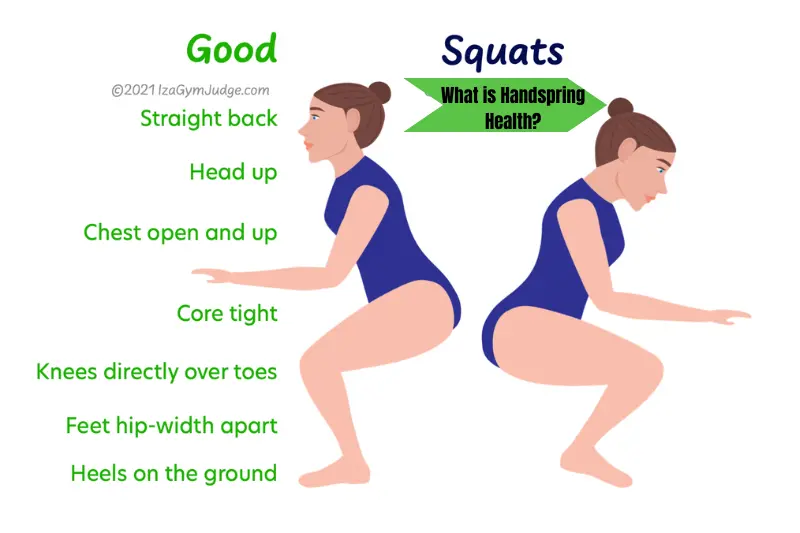
Handspring health refers to the overall physical condition and well-being that supports the safe and effective execution of handsprings. It encompasses the strength, flexibility, balance, and proper technique needed to perform this skill without strain or injury. Maintaining handspring health is essential not just for gymnasts but also for athletes and fitness enthusiasts who incorporate this move into their routines.
Focusing on handspring health helps prevent common injuries such as wrist sprains, shoulder strains, and muscle fatigue. Moreover, it promotes better performance by improving body control, coordination, and confidence. By prioritizing handspring health, individuals can enjoy long-term progress and reduce downtime caused by avoidable injuries.
Key Components of Handspring Health

Achieving and maintaining handspring health involves several essential elements that work together to ensure safety and performance:
- Strength and Flexibility
Strong muscles, especially in the wrists, shoulders, core, and legs, provide the power needed for a controlled handspring. Flexibility allows the body to move through the full range of motion without strain, reducing the risk of injuries. - Proper Technique and Form
Mastering the correct handspring technique is vital. This includes body alignment, hand placement, and timing. Good form distributes forces evenly and prevents undue stress on joints and muscles. - Warm-up and Cool-down Routines
Preparing the body with a thorough warm-up increases blood flow and loosens muscles, making them ready for action. Cooling down after practice helps prevent stiffness and promotes recovery. - Core Stability and Balance
A strong core stabilizes the body during the handspring, helping to maintain control and prevent falls. Balance training complements this by improving coordination and body awareness.
By focusing on these components, athletes can build a strong foundation for safe, efficient handspring execution and reduce the likelihood of injury.
Common Injuries Related to Handsprings
Despite being a fundamental skill, handsprings can lead to several injuries if proper care and technique are not followed. Understanding these common injuries can help you recognize symptoms early and take steps to prevent them:
- Wrist Sprains and Strains
Because handsprings place a lot of weight on the wrists, sprains and strains are common. Overuse or improper hand positioning can cause pain, swelling, and limited mobility. - Shoulder Injuries
The shoulders bear significant stress during the push-off phase of a handspring. Rotator cuff strains, tendonitis, or impingements can develop without adequate strength and flexibility. - Elbow Pain and Overuse Injuries
Repeated impact and poor technique may lead to conditions like tennis elbow or joint inflammation, which can cause discomfort and reduce range of motion. - Muscle Fatigue and Strains
Insufficient warm-up or overtraining can lead to muscle strains, especially in the core, back, and legs, affecting your ability to perform safely.
Early detection and proper management of these injuries are key to maintaining handspring health and ensuring long-term success in your training.
Tips to Improve Handspring Health
Maintaining handspring health requires a combination of proper technique, conditioning, and recovery. Here are some practical tips to help you stay strong and injury-free:
Master the Technique
Focus on learning the correct hand placement, body alignment, and timing. Working with a qualified coach can provide personalized feedback and help you refine your form.
Strengthen Key Muscle Groups
Incorporate exercises that target your wrists, shoulders, core, and legs. Wrist curls, shoulder presses, planks, and squats are excellent for building the strength necessary to support your handsprings.
Prioritize Flexibility
Regular stretching, especially for the wrists, shoulders, and hamstrings, enhances your range of motion and reduces stiffness.
Warm Up and Cool Down Properly
Always begin your practice with a dynamic warm-up to increase blood flow and prepare your muscles. Finish with a cool-down routine including gentle stretching to aid recovery.
Rest and Recover
Avoid overtraining by scheduling rest days and listening to your body. Adequate sleep and hydration also play a critical role in injury prevention.
Use Protective Supports if Needed
Consider wrist guards or taping for additional support during intensive training sessions, especially if you’ve had previous injuries.
By integrating these tips into your training regimen, you can improve your handspring health, perform better, and reduce the risk of injury.
Handspring Health and Nutrition
Proper nutrition plays a vital role in supporting handspring health by fueling your body and aiding recovery. Eating the right foods helps maintain strong muscles, healthy joints, and overall energy levels essential for performing handsprings safely.
Focus on Protein
Protein is crucial for muscle repair and growth. Include lean sources like chicken, fish, beans, and dairy in your diet to support recovery after intense training.
Include Healthy Fats
Omega-3 fatty acids found in fish, nuts, and seeds help reduce inflammation and promote joint health, which is especially important for preventing injuries.
Prioritize Hydration
Staying well-hydrated keeps muscles flexible and joints lubricated, reducing the risk of cramps and strains during training.
Eat Plenty of Fruits and Vegetables
Rich in vitamins, minerals, and antioxidants, fruits and vegetables support overall health and help your body recover faster.
Consider Supplements Wisely
Supplements like calcium, vitamin D, and glucosamine may benefit bone and joint health, but it’s best to consult a healthcare professional before adding them to your routine.
Combining good nutrition with your training and recovery plan will enhance your handspring health and keep you performing at your best.
When to See a Professional
While many handspring-related aches and pains can be managed with proper care, some symptoms require the attention of a healthcare professional to prevent further injury and promote healing:
Persistent Pain
If you experience ongoing or worsening pain in your wrists, shoulders, elbows, or back that doesn’t improve with rest and basic treatment, it’s time to consult a doctor or physical therapist.
Limited Mobility
Difficulty moving a joint or significant stiffness that interferes with your training signals a potential injury needing professional assessment.
Swelling or Bruising
Noticeable swelling, bruising, or deformities after a fall or sudden pain during a handspring should be evaluated immediately.
Recurring Injuries
If you frequently get the same injury or pain, a specialist can help identify underlying issues and create a tailored rehabilitation plan.
Guidance on Technique and Training
Working with a qualified coach or trainer can prevent injuries before they happen by ensuring your handspring technique is safe and effective.
Early intervention from healthcare providers like physiotherapists or sports medicine doctors can speed recovery and help you maintain handspring health for the long term.
Conclusion
Maintaining handspring health is essential for gymnasts, athletes, and fitness enthusiasts who want to perform this skill safely and effectively. By focusing on proper technique, building strength and flexibility, warming up correctly, and listening to your body, you can reduce the risk of injury and improve your overall performance.
Remember, nutrition and rest are just as important as training, helping your body recover and stay strong. And if you ever experience persistent pain or injuries, don’t hesitate to seek professional help.
Prioritize your handspring health today to enjoy long-lasting progress and confidence in every move. Share your experiences or questions below, and keep pushing towards your goals safely!