Introduction
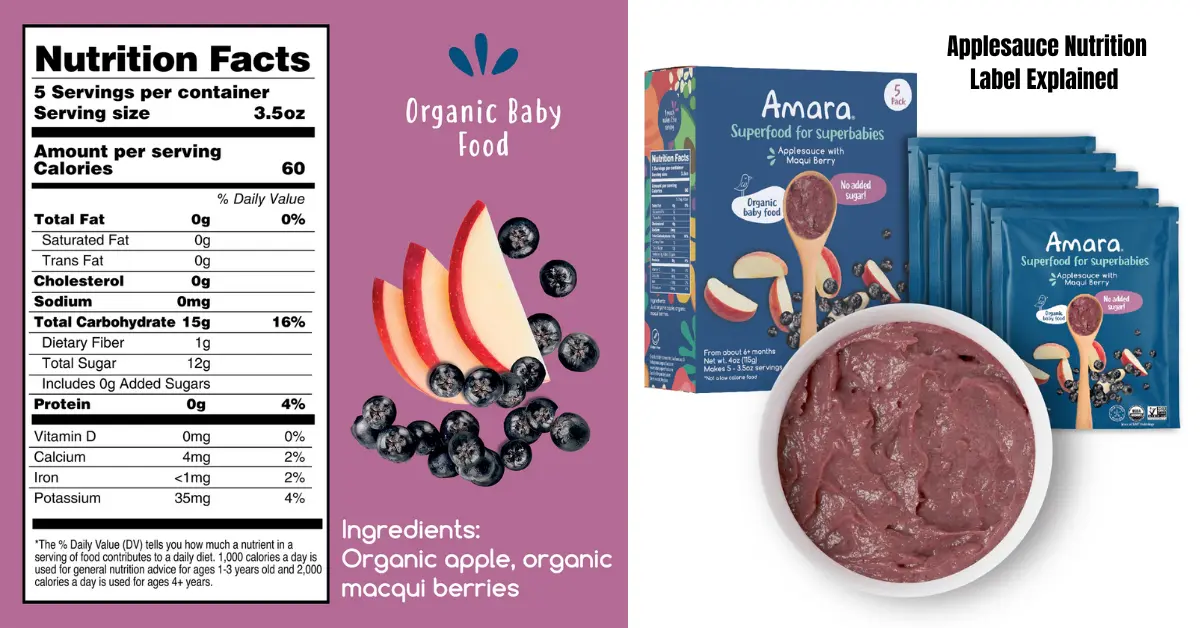
Applesauce has long been a popular snack and versatile ingredient in many kitchens. Whether enjoyed on its own, used in baking, or as a healthy substitute for fats and sugars, applesauce offers a delicious and nutritious option for people of all ages. But to make the healthiest choice, it’s important to understand what’s inside each serving. That’s where the applesauce nutrition label comes in.
Reading the applesauce nutrition label helps you learn about the calorie content, sugar levels, fiber, and other essential nutrients present in the product. By paying attention to the applesauce nutrition facts, you can make informed decisions that align with your dietary needs and health goals. In this article, we’ll break down everything you need to know about the nutrition label on applesauce to help you enjoy this tasty treat wisely.
What Is an Applesauce Nutrition Label?
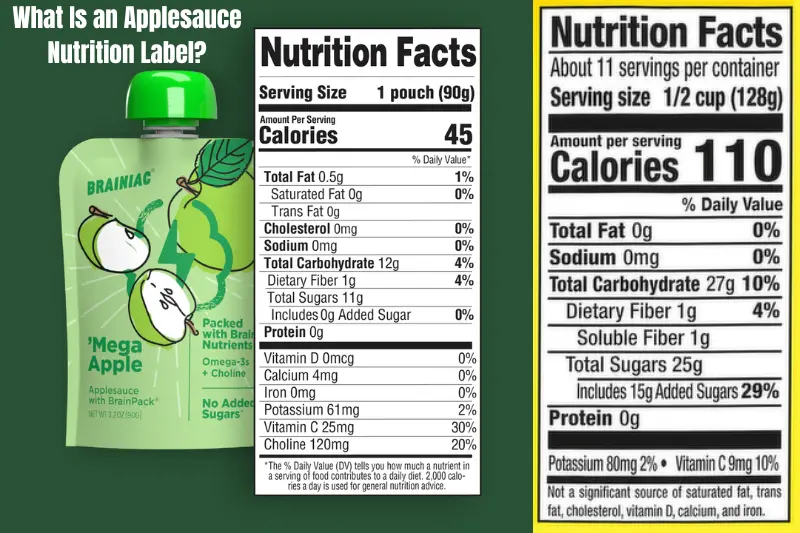
When you pick up a jar or pouch of applesauce at the store, the applesauce nutrition label provides a snapshot of what’s inside the product. This label is a standardized chart that outlines key nutritional information such as calories, macronutrients (carbohydrates, proteins, fats), vitamins, minerals, and sometimes additives.
Understanding the nutrition label on applesauce is essential because it tells you how much energy and nutrients you’re consuming per serving. It also highlights important details like sugar content—both natural and added—which can vary widely between different brands and types of applesauce.
By learning to read and interpret the applesauce nutrition label, you can better manage your intake of sugars, calories, and other nutrients, making it easier to choose the healthiest option for your lifestyle.
Key Nutritional Components in Applesauce
When examining the applesauce nutrition label, there are several key components to pay close attention to:
- Calories: This indicates how much energy you get from a serving of applesauce. Most plain applesauce options are relatively low in calories, making them a great light snack.
- Carbohydrates: Applesauce is primarily made up of carbs, mostly from natural sugars found in apples. However, some products may contain added sugars, so it’s important to distinguish between the two.
- Sugar: Naturally occurring sugars come from the fruit itself, but added sugars can significantly increase the calorie content and affect blood sugar levels. Always check for added sugars on the label.
- Fiber: Applesauce contains dietary fiber, which helps with digestion and promotes a feeling of fullness. The amount can vary depending on whether the applesauce is strained or chunky.
- Vitamins and Minerals: Applesauce is a source of important nutrients like Vitamin C and potassium, which support immune health and muscle function.
- Fat and Protein: Most applesauce products have negligible amounts of fat and protein, making them a low-fat snack option.
By understanding these components on the applesauce nutrition label, you can choose the best product to fit your nutritional goals and preferences.
Applesauce Nutrition Facts: Typical Values
To give you a clearer picture, here’s a breakdown of typical nutrition facts you might find on a standard serving (about 1/2 cup or 122 grams) of unsweetened applesauce:
- Calories: 50–60
- Total Carbohydrates: 14–16 grams
- Sugars: 12–14 grams (mostly natural fruit sugars, no added sugar)
- Dietary Fiber: 1–2 grams
- Protein: Less than 1 gram
- Fat: 0 grams
- Vitamin C: Around 2% of the daily value
- Potassium: About 2% of the daily value
In contrast, sweetened applesauce products can have higher sugar and calorie content due to added sugars. For example, a sweetened variety may contain up to 25 grams of sugar per serving, nearly doubling the natural sugar content.
Health Benefits of Applesauce Based on Nutrition
Applesauce offers several health benefits that come from its natural nutritional profile:
- Low in Calories and Fat: Unsweetened applesauce is a low-calorie, fat-free snack, making it a great choice for those watching their weight or looking for a light treat.
- Rich in Fiber: The dietary fiber in applesauce helps support healthy digestion and can promote feelings of fullness, which may help with appetite control.
- Natural Sugars for Quick Energy: The natural sugars in apples provide a quick source of energy without the crash that can come from processed sugars.
- Vitamins and Antioxidants: Applesauce contains Vitamin C and antioxidants that help protect your cells from damage and support your immune system.
- Gentle on the Stomach: Its soft texture and mild flavor make applesauce easy to digest, making it suitable for people with digestive issues or recovering from illness.
By understanding the applesauce nutrition label, you can see how this simple fruit product can fit into a balanced and healthy diet.
What to Watch Out For on the Applesauce Nutrition Label
While applesauce can be a healthy choice, it’s important to be mindful of certain things when reading the applesauce nutrition label:
- Added Sugars: Many commercial applesauces contain added sugars, which can significantly increase calorie content and impact blood sugar levels. Look for terms like “sugar,” “corn syrup,” “high fructose corn syrup,” or “fruit juice concentrate” in the ingredients.
- Sodium Content: Although typically low in sodium, some flavored or processed varieties might have added salt. It’s best to check the label if you are monitoring your sodium intake.
- Preservatives and Additives: Some applesauce brands add preservatives or artificial flavors to extend shelf life or enhance taste. If you prefer a cleaner product, choose options with minimal ingredients or organic labels.
- Serving Size: Pay attention to the serving size on the label. Packages might contain multiple servings, which can affect how much sugar and calories you’re actually consuming.
By carefully reading the applesauce nutrition label, you can avoid hidden sugars and additives, ensuring you pick the healthiest option available.
How to Choose the Best Applesauce for Your Diet
Selecting the right applesauce comes down to reading the applesauce nutrition label and knowing what fits your dietary needs. Here are some tips to help you choose wisely:
- Opt for Unsweetened Varieties: To avoid added sugars, pick applesauce labeled “unsweetened” or “no added sugar.” These options usually contain only natural fruit sugars.
- Check the Ingredient List: Look for products with minimal ingredients — ideally just apples and maybe a bit of cinnamon or natural flavor. Avoid those with preservatives, artificial colors, or sweeteners.
- Consider Fiber Content: If you want more fiber, choose chunky or unstrained applesauce, which retains more of the apple’s natural fiber compared to smooth varieties.
- Organic vs. Conventional: Organic applesauce can be a better choice if you want to avoid pesticides and chemicals, but it may be pricier.
- Watch Serving Sizes: Make sure the portion you eat aligns with the serving size on the label to accurately track your calorie and sugar intake.
- Special Dietary Needs: If you have diabetes or other health conditions, focus on low-sugar options and consult your nutritionist for personalized advice.
By paying attention to the applesauce nutrition label and ingredients, you can enjoy this tasty snack while staying on track with your health goals.
Frequently Asked Questions (FAQs)
Q: Is applesauce healthy?
A: Yes, especially unsweetened varieties. Applesauce is low in fat and calories, provides fiber, and contains important vitamins and antioxidants.
Q: How much sugar is in applesauce?
A: Natural applesauce contains about 12-14 grams of natural sugars per half-cup serving. Sweetened varieties can have significantly more due to added sugars.
Q: Can applesauce be part of a diabetic diet?
A: Unsweetened applesauce can fit into a diabetic diet when consumed in moderation, but it’s important to monitor carbohydrate intake and avoid added sugars.
Q: What is the best serving size for applesauce?
A: A typical serving size is about 1/2 cup (122 grams), but always check the nutrition label as serving sizes can vary by brand.
Conclusion
Understanding the applesauce nutrition label is key to making smart and healthy choices. Whether you’re looking for a low-calorie snack, managing sugar intake, or simply want to enjoy applesauce as part of a balanced diet, reading the nutrition facts can guide you toward the best options. By choosing products with minimal added sugars and preservatives, and paying attention to serving sizes, you can enjoy the natural goodness of applesauce while supporting your overall health.