Introduction
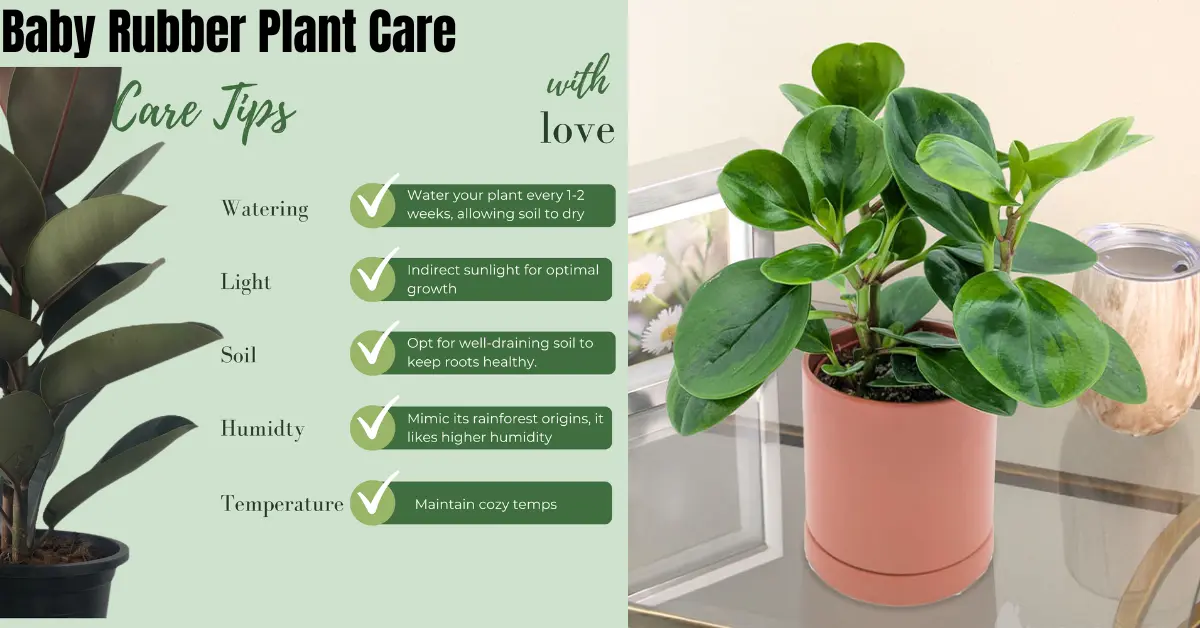
The baby rubber plant, a charming and compact variety of the popular rubber tree, has quickly become a favorite among indoor plant enthusiasts. Its glossy, vibrant leaves and manageable size make it an ideal choice for homes and offices looking to add a touch of greenery without overwhelming space. As one of the most sought-after indoor plants, the baby rubber plant not only enhances décor but also helps improve air quality.
However, like all indoor plants, baby rubber plants require specific care to thrive. Proper baby rubber plant care ensures that your plant remains healthy, vibrant, and long-lasting. Understanding its unique needs—from light and watering to feeding and pruning—can make all the difference between a thriving plant and one that struggles. In this article, we will explore everything you need to know about caring for your baby rubber plant, helping you create the perfect environment for this beautiful indoor companion.
What is a Baby Rubber Plant?
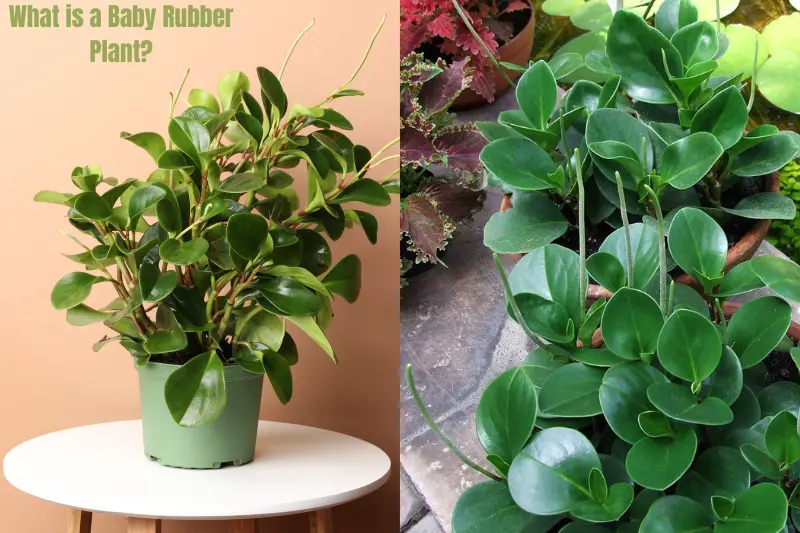
The baby rubber plant (Ficus elastica ‘Baby Rubber’) is a compact variety of the popular rubber tree, known for its smaller size and strikingly glossy, thick leaves. Unlike its larger relatives, the baby rubber plant fits perfectly into smaller indoor spaces, making it an ideal choice for apartments, desks, or cozy corners. This plant’s ease of care and ability to adapt to various indoor environments has contributed to its rise in popularity among indoor plant enthusiasts.
Not only does the baby rubber plant add a touch of lush greenery to your home, but it also acts as a natural air purifier, filtering toxins and improving air quality. Its vibrant foliage and sturdy nature make it a favorite for both beginners and experienced indoor gardeners alike.
Ideal Conditions for Baby Rubber Plant Care
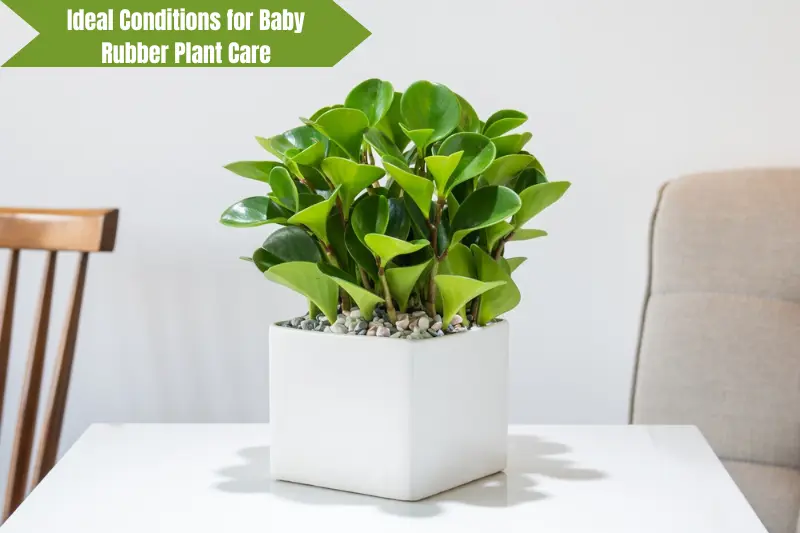
To keep your baby rubber plant thriving, it’s important to provide the right environment that mimics its natural habitat. Here are the key conditions you should aim for:
Light
Baby rubber plants prefer bright, indirect light. They can tolerate some direct sunlight, but too much harsh sun can scorch their leaves. Placing your plant near a north or east-facing window is ideal. If your space has low light, the plant may grow slower or become leggy, but it can still survive with proper care.
Temperature
These plants thrive in temperatures between 60°F and 75°F (15°C–24°C). Avoid exposing them to drafts, sudden temperature changes, or cold spots below 50°F (10°C), as this can stress the plant.
Humidity
While baby rubber plants can adapt to average indoor humidity, they prefer moderate to high humidity levels. You can boost humidity by misting the leaves occasionally or placing a humidifier nearby, especially in dry environments or during winter months.
Soil and Drainage
Use well-draining potting soil rich in organic matter. A mix designed for indoor plants or one containing peat, pine bark, and perlite is perfect. Good drainage is crucial—make sure your pot has drainage holes to prevent waterlogging, which can lead to root rot.
By providing these ideal conditions, you’ll set the foundation for healthy growth and vibrant foliage in your baby rubber plant.
Watering Your Baby Rubber Plant
Watering is one of the most crucial aspects of baby rubber plant care. While these plants enjoy consistent moisture, overwatering can quickly become a problem.
How Often to Water
Generally, water your baby rubber plant when the top 1-2 inches of soil feel dry to the touch. This usually means watering about once every 1-2 weeks, but it depends on factors like room temperature, humidity, and the size of your pot. During the growing season (spring and summer), your plant may need more frequent watering, while in the dormant period (fall and winter), watering can be reduced.
Avoid Overwatering
Baby rubber plants are susceptible to root rot if kept too wet. Make sure excess water drains freely from the pot, and never let the plant sit in standing water. Yellowing leaves and a mushy stem are signs of overwatering.
Signs of Underwatering
If your plant’s leaves start to curl, brown at the edges, or drop, it may be thirsty. Increase your watering frequency slightly, but always check the soil moisture first.
Best Practices for Watering Indoor Plants
- Use room-temperature water to avoid shocking the roots.
- Water thoroughly until water drains from the bottom of the pot.
- Empty the drainage tray after watering to prevent root rot.
- Consider using filtered or distilled water if your tap water is hard or chlorinated.
Proper watering not only keeps your baby rubber plant hydrated but also supports strong roots and glossy leaves, essential for a thriving indoor plant.
Fertilizing and Feeding
To keep your baby rubber plant lush and vibrant, regular feeding is important—especially during its active growing seasons.
Recommended Fertilizers
Use a balanced, water-soluble fertilizer with equal parts nitrogen, phosphorus, and potassium (such as a 10-10-10 or 20-20-20 formula). Organic options like fish emulsion or seaweed extract also work well and promote healthy growth without chemical buildup.
Feeding Schedule
Feed your baby rubber plant every 4-6 weeks during spring and summer when it’s actively growing. Avoid fertilizing during fall and winter, as the plant’s growth slows and it requires fewer nutrients.
How Fertilization Helps
Fertilizing provides essential nutrients that promote new leaf growth, strengthen stems, and enhance the plant’s natural color. Well-fed baby rubber plants are more resilient to pests and environmental stress.
Tips for Fertilizing Indoor Plants
- Always water your plant before applying fertilizer to prevent root burn.
- Follow the package instructions carefully to avoid overfeeding.
- If you notice leaf burn or discoloration, reduce the fertilizer concentration or frequency.
By incorporating fertilizing into your baby rubber plant care routine, you’ll encourage healthy, vigorous growth that makes your indoor plant a standout feature in your home.
Pruning and Maintenance
Regular pruning is an important part of baby rubber plant care, helping to maintain its shape, encourage bushier growth, and keep the plant healthy.
When and How to Prune
Prune your baby rubber plant during the spring or early summer when it’s actively growing. Use clean, sharp pruning shears to cut back any leggy stems or unwanted growth. Cutting just above a leaf node will encourage new branches to grow, making your plant fuller and more compact.
Removing Dead or Yellow Leaves
Check your plant regularly for yellowing or dead leaves and remove them promptly. This not only keeps your plant looking neat but also prevents potential disease and pest problems.
Cleaning the Leaves
Dust can accumulate on the thick, glossy leaves of your baby rubber plant, which can block sunlight and reduce photosynthesis. Gently wipe the leaves with a damp cloth or sponge every few weeks to keep them clean and shiny.
Supporting Healthy Growth
If your baby rubber plant grows tall and leggy, consider staking it for support or pruning to maintain its shape. Repotting every 1-2 years with fresh soil also helps provide nutrients and space for root growth.
Common Problems and Solutions
Even with the best baby rubber plant care, you might encounter some common issues. Here’s how to identify and address them:
Pest Issues
- Spider Mites: These tiny pests cause speckled, yellow leaves and fine webbing. Treat infestations by wiping leaves with insecticidal soap or neem oil and increasing humidity around the plant.
- Aphids: Small, green or black insects often found on new growth. Spray with water or insecticidal soap to remove them.
- Mealybugs: White, cottony pests that cluster in leaf joints. Remove manually with a cotton swab dipped in rubbing alcohol.
Disease Symptoms and Treatments
- Root Rot: Caused by overwatering or poor drainage. Symptoms include yellowing leaves and mushy stems. Prevent by allowing soil to dry between waterings and using pots with drainage holes.
- Leaf Spot: Brown or black spots on leaves usually indicate fungal infections. Remove affected leaves and improve air circulation.
Troubleshooting Leaf Issues
- Yellow Leaves: Often a sign of overwatering, underwatering, or nutrient deficiencies. Check watering routine and adjust fertilization accordingly.
- Leaf Drop: Can result from sudden temperature changes, drafts, or stress. Keep your plant in a stable environment and avoid moving it frequently.
By staying attentive and addressing these problems early, you can keep your baby rubber plant healthy and thriving.
Propagation Tips for Baby Rubber Plants
If you want to expand your indoor garden or share your plant with friends, propagating your baby rubber plant is easier than you might think.
How to Propagate Through Stem Cuttings
- Choose a healthy stem: Select a young, healthy stem with a few leaves.
- Cut the stem: Using clean, sharp scissors or pruning shears, cut a 4-6 inch section just below a leaf node.
- Remove lower leaves: Strip the leaves from the bottom 2 inches of the cutting to prevent rotting when planted.
- Optional rooting hormone: Dip the cut end in rooting hormone to encourage faster root growth.
- Plant the cutting: Insert the cutting into moist, well-draining potting mix.
- Create a humid environment: Cover the cutting with a plastic bag or place it in a propagator to retain moisture.
- Place in bright, indirect light: Avoid direct sunlight, which can stress the cutting.
- Wait for roots: Roots usually develop in 4-6 weeks. Gently tug the cutting to check for resistance, indicating root growth.
Best Time for Propagation
Spring and early summer are the best times to propagate your baby rubber plant because it’s actively growing, increasing the chances of successful rooting.
Caring for New Plants
Once roots have developed, gradually acclimate the new plant to normal indoor conditions by removing the plastic cover and increasing light exposure. Water sparingly until the plant establishes itself.
Propagation is a rewarding way to grow your indoor plant collection and give life to new baby rubber plants for your home or to gift to others.
Why Baby Rubber Plants Are Great Indoor Plants
Baby rubber plants have earned their place as favorites among indoor plant lovers, and for good reason. Here’s why they make excellent additions to your indoor garden:
Air-Purifying Benefits
Like many indoor plants, baby rubber plants help improve indoor air quality by filtering toxins such as formaldehyde and benzene. This makes them not only beautiful but also beneficial for your health and wellbeing.
Low Maintenance and Adaptability
Baby rubber plants are surprisingly easy to care for. They tolerate a range of indoor conditions, including varying light and humidity levels, making them perfect for beginners or those with busy lifestyles.
Aesthetic Appeal
Their glossy, deep green leaves add a touch of elegance and freshness to any room. The compact size of the baby rubber plant makes it versatile, fitting well on shelves, desks, or as part of a larger indoor plant arrangement.
Longevity and Growth
With proper care, baby rubber plants can live for many years, gradually growing into stunning focal points in your home.
Overall, baby rubber plants combine beauty, air-cleaning properties, and easy care, making them one of the best indoor plants you can choose.
Conclusion
Caring for a baby rubber plant doesn’t have to be complicated. With the right balance of light, water, and occasional feeding, your baby rubber plant can thrive as a beautiful and healthy indoor companion. By following these baby rubber plant care tips—from proper watering and pruning to pest prevention and propagation—you’ll ensure your plant grows strong and vibrant for years to come.
Whether you’re a seasoned plant parent or just starting your indoor gardening journey, the baby rubber plant is an excellent choice thanks to its low-maintenance nature and striking appearance. Embrace the joy of nurturing this wonderful indoor plant and enjoy the fresh, lively atmosphere it brings to your home.
Have your own baby rubber plant care tips or questions? Feel free to share them in the comments below!