When people picture postpartum depression, they often imagine symptoms beginning almost immediately after a baby is born. But the postpartum experience does not always follow such a clear timeline. A parent may feel relatively well during the first several weeks after delivery. They may be tired and overwhelmed, but emotionally they feel like they are managing. Then, a few months later, something changes. They may become unusually sad, disconnected, irritable, anxious, or exhausted. Things they once enjoyed may feel less important. Everyday responsibilities may suddenly seem much harder. And because several months have passed since the birth, they may not connect what they are experiencing with their postpartum mental health. “Why Would This Be Happening Now?” This is one of the questions that can make later postpartum symptoms so confusing. The early weeks after having a baby often come with a lot of support and activity. Family members may visit. Friends bring meals. Medical appointments happen frequently. A partner may be home from work. Eventually, everyday life begins again. Support may decrease while the demands of parenting remain. Sleep deprivation can accumulate. A parent may return to work. Feeding challenges may continue. Relationship stress can become more noticeable. The mental load of caring for a baby can feel relentless. Sometimes it is only after the initial intensity settles that a parent realizes how much they are struggling. The Postpartum Period Is More Than the First Few Weeks There can be an assumption that once someone reaches their six-week postpartum appointment, the most difficult emotional part of recovery should be behind them. For many parents, that simply is not their experience. Adjusting to parenthood continues for months. Your baby’s needs change. Your sleep changes. Your relationship may change. Your body may still feel different. Your work life may change. Even your sense of identity can feel unfamiliar. Mental health does not operate according to a six-week deadline. Returning to Work Can Be a Turning Point For some parents, returning to work brings emotions they were not expecting. There may be guilt about leaving the baby, anxiety about childcare, difficulty concentrating, pumping or feeding challenges, and pressure to perform professionally while functioning on interrupted sleep. A parent who seemed to be coping at home may suddenly feel overwhelmed trying to balance both worlds. Others may feel isolated because they are staying home while their partner returns to work. Neither experience means someone is failing at parenthood. It means their circumstances have changed, and their emotional response may change with them. Sometimes It Looks More Like Irritability Than Sadness Another reason postpartum depression can go unnoticed is that it does not necessarily look the way someone expects depression to look. A parent might not spend every day crying. Instead, they may notice that they have very little patience. Small inconveniences feel enormous. They snap at their partner. They feel resentful that everyone else’s life seems to have returned to normal. They may want to be left alone and then feel guilty for wanting space from the people they love. Because they are still getting dressed, going to work, caring for their baby, and completing everyday responsibilities, they may assume they cannot possibly be struggling with depression. But emotional distress can exist even when someone appears to be functioning from the outside. “But I Was Fine Before” Feeling okay during the beginning of the postpartum period does not mean you should dismiss emotional changes that happen later. This can be particularly confusing when someone remembers feeling genuinely happy during the newborn stage. They may think: I loved those first few months. Why am I struggling now? Or: My baby is doing well. Shouldn’t I be happier? That second question can bring a tremendous amount of guilt. Having a healthy baby and loving your child do not prevent you from struggling emotionally. Both things can be true at the same time. It Can Be Hard to Know What Is “Normal” Parenthood is tiring. Babies disrupt sleep. Relationships experience stress. Returning to work can be difficult. So when does ordinary adjustment become something worth discussing with a professional? There is no single symptom or moment that answers that question for everyone. Instead, pay attention to changes in yourself. Maybe you don’t feel like yourself anymore. Perhaps you are withdrawing from people you normally enjoy. You may find yourself crying frequently, feeling numb, becoming increasingly irritable, struggling to concentrate, or finding it difficult to enjoy things. You might simply have the persistent feeling that something is wrong. You do not need to determine whether your experience officially qualifies as postpartum depression before talking with someone about it. Several Months Have Passed. Is It Too Late to Ask for Help? Some parents hesitate to reach out because their baby is no longer a newborn. They may wonder whether they have missed the window when postpartum mental health support would have been appropriate. You haven’t. If emotional changes after having a baby are becoming difficult to manage, specialized postpartum depression and anxiety therapy can help parents better understand what they are experiencing and find appropriate support. You do not have to ignore what you are feeling simply because it did not begin immediately after delivery. You Don’t Have to Wait Until Things Become Unmanageable There is another common belief about therapy: that you should wait until you know something is seriously wrong. That can leave parents trying to determine whether they are struggling “enough” to deserve support. You do not have to reach a breaking point. You can talk with a mental health professional because you feel different. Because you’re overwhelmed. Because you are not enjoying life the way you expected. Because your relationship is suffering. Or simply because you want help understanding what has changed. Parenthood Keeps Changing, and So Can Your Mental Health Having a baby is not one adjustment that happens on the day of birth. It is an ongoing transition. The newborn stage becomes infancy. Parental leave ends. Work resumes. Sleep patterns change. Relationships evolve. Responsibilities grow. Your emotional needs can change along with those circumstances. So if several months have passed since your baby was born and you suddenly find yourself struggling, don’t dismiss what you’re feeling because you believe postpartum depression should have happened sooner. There is no prize for waiting until things get worse. Sometimes recognizing that “I don’t feel like myself lately” is enough reason to start a conversation.

Author: techrankzone@gmail.com
Ask most people to picture a lonely older adult, and the image that comes to mind is often a woman: a widow living alone, perhaps, surrounded by photographs of a fuller life. The reality tells a different story. Older men, not women, consistently report the highest rates of social isolation in the United States, and the consequences reach far beyond hurt feelings. Isolation in older men is linked to higher rates of depression, cognitive decline, cardiovascular disease, and premature death, yet it remains one of the least discussed health risks facing aging Americans. This article looks at why older men end up isolated more often than older women, why the warning signs are so easy for families to miss, and what actually helps. The Scope of the Problem Loneliness among older adults has become significant enough that the U.S. Surgeon General issued a formal advisory on the subject in 2023, describing social disconnection as a public health concern on par with other major risk factors and noting that its health effects are comparable to smoking a pack of cigarettes a day. Within that broader picture, older men consistently show up as one of the highest-risk groups. Several patterns show up again and again in research on aging and social connection: None of this means women don’t experience loneliness in later life. They do, often significantly. But the data consistently shows that men are less equipped, socially and emotionally, to rebuild connection once it’s lost, which leaves them more vulnerable when a major life change strips away the structures that used to provide it. Why Men Lose Their Social Networks First Loneliness in older men rarely arrives suddenly. It tends to build gradually, often traced back to a handful of specific transitions. Retirement removes a built-in social structure. For many men, work has functioned as their primary source of daily social contact for decades. Coworkers, work friendships, the structure of a workday, all of it disappears at retirement, often without anything built to replace it. Women are statistically more likely to maintain social networks outside of work throughout their careers, which gives them something to fall back on when their job ends. Many men don’t have that same backup structure in place. Friendship patterns differ significantly by gender. Research on adult friendship consistently finds that men’s friendships tend to be built around shared activities, work, sports, hobbies, rather than the kind of direct emotional check-in that tends to sustain relationships once those shared activities stop. When the activity goes away (the job ends, the golf group stops meeting, health limits the activities that used to bring people together), the friendship built around it often quietly fades with it. The loss of a spouse hits men differently. In many households, a wife has served as the family’s primary social coordinator, the one who calls the kids, plans visits, remembers birthdays, and maintains friendships on behalf of the household. When she is no longer there, either through death or divorce, that entire social infrastructure often disappears with her, and many men have no established pattern for rebuilding it on their own. Cultural expectations discourage help-seeking. Many men in the current generation of older adults were raised with strong cultural messaging around self-reliance and emotional restraint. Admitting to loneliness, or actively seeking out new friendships and social opportunities, can feel deeply uncomfortable in a way it often doesn’t for women of the same generation, who are more likely to have practiced this kind of relationship-building throughout their lives. Physical limitations compound the problem. Mobility issues, hearing loss, vision changes, or no longer being able to drive can each independently shrink a person’s world. For a man who is already socially thin, losing the ability to easily leave the house can be the final piece that tips isolation into full withdrawal. Why the Health Consequences Are So Serious Loneliness is not simply an emotional discomfort. It functions as a measurable health risk, and the evidence for this has grown substantially over the past decade. Chronic loneliness has been associated with increased risk of heart disease, stroke, and high blood pressure, likely tied to the way sustained social stress affects the cardiovascular system over time. It has also been linked to faster cognitive decline and a higher risk of dementia, since regular social engagement appears to help maintain cognitive function in ways that isolated daily routines do not. Depression is significantly more common among isolated older adults, and for older men specifically, that combination of depression and isolation is particularly dangerous. Men over 65 have the highest suicide rate of any demographic group in the country, a statistic that has remained persistently high even as public awareness of mental health has grown elsewhere in society. Perhaps most striking, several long-term studies have found that chronic loneliness is associated with an increased risk of early death, with some researchers describing the mortality impact as comparable to other well-established risk factors like obesity or physical inactivity. Isolation, in other words, is not just unpleasant. For older men in particular, it behaves like a serious medical risk factor in its own right. Why Families Often Miss the Signs If loneliness were obvious, families would act on it sooner. Instead, it tends to hide behind behaviors that look like ordinary aging or a stable, if quiet, personality. A few reasons the signs get missed: Men are skilled at projecting “fine.” Decades of cultural conditioning around emotional restraint make many older men very good at sounding steady on a phone call, even when their day-to-day life has become quiet and isolated. A five-minute weekly check-in call rarely surfaces the full picture. Quiet and lonely can look identical from a distance. A father who has always been reserved doesn’t necessarily raise alarm bells when he seems even quieter than usual, even though that shift may be meaningful. Withdrawal happens gradually. Skipping one family gathering doesn’t concern anyone. Skipping most of them over the course of a year, without anyone noticing the pattern as it built, is a much bigger signal, but it rarely gets tracked that way in real time. Adult children are often geographically distant. Many families now live hours or states apart, which limits opportunities to observe daily patterns, like whether Dad is still leaving the house regularly, cooking real meals, or maintaining any of his old routines. What Actually Helps The good news is that loneliness in older men, while serious, is genuinely responsive to intervention. Families who take a proactive, low-pressure approach tend to see real improvement. Build routine before crisis forces it. Waiting for a health scare or a visible decline before addressing isolation means starting from a much harder position. Regular contact, scheduled visits, or structured activities work best when they start early, ideally well before retirement or the loss of a spouse. Frame connection around activity, not emotion. Given how many men’s friendships were originally built around shared activities, rebuilding social connection through activity, a regular walking group, a hobby class, volunteering, a standing weekly outing, tends to be far more successful than framing it as “making friends” or “talking about feelings,” which can feel unfamiliar or uncomfortable. Watch the transitions, not just the person. Retirement, the loss of a spouse, a move, or a new health limitation are the moments when isolation risk spikes sharply. Increasing check-ins and support specifically around these transitions, rather than waiting for visible signs of trouble, tends to prevent the slow slide into isolation before it fully takes hold. Bring in consistent, familiar outside support. For men who are reluctant to seek out new social connections on their own, a steady, recurring presence, whether that’s a regular caregiver, a consistent home-care companion, or a reliable weekly visitor, can provide meaningful social contact without requiring him to build a new friendship from scratch. Consistency matters here more than novelty. The same familiar person showing up on a predictable schedule tends to be far more welcome than a rotating cast of new faces. Involve him in the plan. Loneliness interventions that are done to someone rather than with them tend to be resisted or quietly abandoned. Asking what he’d actually enjoy, a fishing trip, a standing lunch, help getting to a specific club or event, produces much better buy-in than a generic suggestion to “get out more.” Fathers and husbands often show this pattern in particular ways, and the signs can be easy to miss if you’re not looking for them. This guide to recognizing when an aging father needs more support walks through those subtler signs and how to start the conversation without it feeling like an intervention. Frequently Asked Questions Is loneliness really as dangerous as people say it is? The research increasingly supports this. Chronic loneliness has been linked to higher rates of heart disease, cognitive decline, depression, and early death. Several studies have compared its health impact to other well-established risk factors like smoking or physical inactivity. It is a genuine health concern, not just an emotional one. Why don’t older men just ask for help or reach out to friends themselves? Cultural conditioning plays a significant role. Many men in the current generation of older adults were raised with strong messaging around self-reliance and emotional restraint, which makes both acknowledging loneliness and actively seeking out new social connections feel uncomfortable in ways that tend to differ from how many older women approach the same challenge. What’s the biggest risk period for social isolation in older men? Major life transitions tend to be the highest-risk windows: retirement, the loss of a spouse, a significant health decline, or losing the ability to drive. Isolation often builds gradually after one of these events, rather than announcing itself immediately. How can I tell if my father is lonely if he insists everything is fine? Look for patterns rather than a single conversation: skipped family events becoming a habit, a shrinking list of regular activities, less enthusiasm about things he used to enjoy, or a home that seems increasingly quiet and understimulated. A single phone call rarely reveals loneliness, since many men are skilled at sounding fine in short conversations. Does bringing in a caregiver actually help with loneliness, or is it just practical support? Both. While non-medical home care is often framed around practical tasks, medication reminders, transportation, meal preparation, one of its most meaningful effects for isolated older men is simply providing consistent, predictable social contact. A familiar person showing up on a regular schedule can meaningfully reduce the isolation that builds when someone spends most of their days alone. Loneliness in older men doesn’t announce itself the way a medical diagnosis does. It builds quietly, often disguised as a naturally quiet personality or an unremarkable daily routine, until the health consequences eventually make it impossible to ignore. Understanding why this pattern is so common among men specifically, and recognizing the transitions that put them most at risk, gives families a real chance to intervene early, before isolation becomes a crisis rather than simply a hard season to move through.
Pregnancy scans provide accurate information and peace of mind by showing how your baby is growing at every stage. There are important scans in each trimester that help doctors track development, detect any concerns early, and ensure both mother and baby are healthy. This guide explains the DHA and SEHA-recommended pregnancy scan timelines in the UAE so you can plan your scans confidently and understand what each one means for your baby’s well-being. Why Pregnancy Scans are Important Pregnancy scans play a vital role in monitoring your baby’s growth and your overall health. They help doctors check the baby’s heartbeat,…
Why Dating Sites Ask So Many Profile Questions Before You Can Start Creating a dating profile can feel less like joining a website and more like completing an interview. Before seeing many profiles, a new member may be asked about age, location, work, education, habits, religion, politics, children, relationship goals, and personality. Some questions have a clear purpose. A dating site needs basic information to show relevant people and apply search preferences. Other questions may feed a compatibility score or become visible on the profile. A few can feel too personal, especially when the website does not explain why it needs the answer. This issue matters on every type of service, from a relationship-focused platform to a hookup site. The right amount of information can help two people understand whether they want similar things. Too much detail can make registration tiring, create false confidence in a score, or expose information that never needed to be public. [Inference] The questionnaire is best understood as a sorting and profile-building tool. It can organize stated preferences, but it cannot fully measure attraction, honesty, timing, or how two people will behave together. Why Dating Sites Need More Than a Photo and Email A dating website has a difficult starting problem. It knows almost nothing about a new member, yet the member expects useful profiles to appear quickly. Without any questions, the site may know only an email address and a rough location. That is not enough to determine who the member wants to meet, what age range is relevant, or whether the person wants casual dates, a long-term relationship, or something else. Questions give the site structured information. Structured answers are easier to sort than a free-form biography. A website can filter a field such as distance or smoking preference. It cannot reliably interpret every meaning hidden inside a paragraph written in the user’s own style. The result is a tradeoff. More questions can create more usable fields, but each extra step adds time and asks the member to share another piece of information. The Six Main Jobs of a Dating Questionnaire1. Establishing basic eligibility Some questions are necessary to create an appropriate account. Age is used to confirm that the user meets the service’s minimum requirement. Location helps the site apply geographic settings. Gender and the genders a member wants to meet help define the relevant group of profiles. These questions establish the basic boundaries within which the service operates. 2. Building search filters Many dating sites let members search by age, location, relationship goal, education, family plans, religion, lifestyle, or other criteria. Those filters work only when the website has information in consistent fields. For example, a member who does not smoke may prefer to meet another non-smoker. A parent may want to know whether another person has children or wants them. Someone who plans to move abroad may care less about current distance than a person who wants to date locally. The website does not need to declare one answer better than another. It uses the fields to connect stated preferences with available profiles. 3. Creating compatibility scores Some services use questionnaires as inputs for compatibility systems. Eharmony says every new member takes its Compatibility Quiz. According to the company’s current tour page, answers about habits, interests, goals, values, needs, and communication contribute to a Personality Profile and a Compatibility Score with other members. This explains why a site built around compatibility may ask more questions than a simple profile directory. It needs enough answers to calculate differences and similarities under its own model. However, a score remains a product of the questions, the answers, and the website’s method. It does not observe a real conversation or a date. [Inference] A compatibility percentage can be useful for discovery, but it should be read as the site’s estimate based on available data – not a measurement of future relationship quality. 4. Turning blank profiles into readable profiles Many people find it difficult to write a biography from nothing. Specific prompts make the task easier. A question about an ideal weekend, a meaningful goal, or a favorite way to spend time can produce a detail that another member can mention in a first message. The website also benefits from consistent profile sections. Visitors know where to look for relationship goals, interests, or family plans instead of searching through a long block of text. 5. Helping members define what they want A questionnaire can force useful decisions. Someone may begin registration with the broad idea of “meeting people” and then realize that distance, children, smoking, or religious practice is important. Eharmony says its quiz is intended to identify values, needs, and communication preferences. That is the service’s description of its own process, not independent proof that every user will gain new self-knowledge. [Inference] Even when a match score is ignored, answering a few well-designed questions can help a member separate true dealbreakers from minor preferences. 6. Personalizing the website experience Websites can use account information and browsing behavior to remember settings, show personalized content, and measure how people use the service. The US Federal Trade Commission explains that websites may track activity to save preferences, remember searches, provide personalized content, collect analytics, or show targeted advertising. This does not mean every answer on every dating site is used for all of those purposes. The site’s privacy policy should explain its practices. [Inference] A member should not assume that a question exists only to find a partner. Some data may also support site operation, analysis, marketing, fraud prevention, or product development, depending on the published policy and local law. Why Some Questionnaires Feel ExcessiveThe benefit arrives later Registration requires effort before the member sees whether the site has suitable people nearby. A long sequence feels more demanding when the value is still uncertain. [Inference] This creates an uneven exchange: the website receives information immediately, while the member learns whether the service is useful only after completing enough steps. Similar questions appear repeatedly A site may ask about the same subject in different ways. One question records a factual preference, while another tries to measure importance or personality. For example, “Do you enjoy social events?” and “How often would you attend a large party?” are related but not identical. Yet repeated themes can make the process feel padded. The reason is not visible People are more comfortable answering when they know whether a field is: When the interface does not make those differences clear, members may share more than intended or give rushed answers simply to reach the next page. Some answers depend on context Personality questions often force a fixed choice where real life is more flexible. A person may enjoy both quiet evenings and crowded concerts. Communication preferences may change during stress. Political or religious identity may not fit a short list. [Inference] The more a question removes context, the greater the risk that a neat data field will flatten a complicated person. The questionnaire can feel like a test Members may try to choose the answer that looks attractive rather than the answer that is true. This is especially likely when a question appears to have an obvious “good” option. A matching system can compare only what people submit. It cannot automatically tell whether a response reflects daily behavior, an ideal self-image, or a strategic answer. Which Questions Are Usually Worth Answering Carefully? Not every field deserves the same amount of thought. The most useful answers tend to affect who is relevant, what both people want, or whether ordinary life could fit. Relationship goals State whether the goal is casual dating, a committed relationship, marriage, non-monogamy, friendship, or uncertainty when those options are available. A vague answer may attract more profiles but create more mismatched conversations. Distance and willingness to travel Choose a realistic area. A wide radius may increase the number of profiles while creating meetings that are difficult to arrange. Children and future family plans These answers can affect long-term compatibility. Members do not need to publish children’s names, ages, schools, schedules, or photos to state that they are a parent or have a view about future children. Smoking, alcohol, and other lifestyle factors Answer according to normal behavior rather than an unusually healthy week or special occasion. These habits can affect daily comfort and shared routines. Values or practices that shape everyday life Religion, politics, diet, culture, and work patterns matter differently to different people. The useful question is not whether a topic sounds important. It is whether a difference would affect the relationship being sought. Genuine dealbreakers A dealbreaker should describe a condition that would make the connection unsuitable, not a minor preference. Too many strict filters can remove people who might otherwise fit well. [Inference] Treating every preference as mandatory gives a questionnaire more control than it deserves. Questions That Deserve More Caution A dating profile needs enough detail to start a conversation, not enough detail to reconstruct a person’s identity or daily movements. Be careful with fields or open-text prompts that could reveal: Instead of naming a small employer, use a broad field such as healthcare, education, logistics, or design. Instead of listing a regular running route, mention running as an interest. Instead of publishing an exact neighborhood and schedule, give only the general location needed for practical dating. [Inference] A good public answer creates conversation without making the person easy to locate, impersonate, or monitor. Public Answers and Private Matching Answers Are Different Some websites separate information used for matching from information shown on the profile. That distinction matters. A private answer may still be processed and stored by the service even if other members cannot see it. A public answer may be copied, screenshotted, indexed, or shared outside the original context. Before answering a sensitive question, check: The FTC advises people to review privacy settings and explains that private browsing does not stop a website from seeing activity during the session. It also notes that protections vary by browser. Does Answering More Questions Create Better Matches? More answers give a matching system more declared information. That can make certain filters and scores more specific. It does not follow that every additional question improves the final result. Several limits remain: [Inference] Quality matters more than raw quantity. Ten honest answers about goals and daily life may be more useful than one hundred rushed answers chosen to finish registration. The website’s method also matters. I cannot confirm that one dating site’s questionnaire is more accurate than another without a current, independent evaluation using clear outcome measures. How to Complete a Long Questionnaire Without Wasting TimeStart with facts and true dealbreakers Complete age, general location, who you want to meet, relationship goal, and the lifestyle factors that would clearly affect a connection. Separate preference from requirement Ask, “Would I reject an otherwise suitable person because of this answer?” If the honest answer is no, avoid marking the preference as mandatory. Use ordinary behavior as the reference Answer based on a typical month, not an ideal future version of yourself. If you exercise twice most weeks, do not choose “daily” because that is the goal. Skip what the site does not need If a sensitive field is optional and has little value for discovery, leaving it blank can be reasonable. A required field that feels unjustified is also a reason to review the privacy policy before continuing. Save nuance for the profile text Use open text to explain an answer that a checkbox cannot capture. Keep the explanation short and avoid details that reveal identity, security information, or a precise routine. Review answers after using the site A person’s goals can change after meeting people, moving, starting a new job, or thinking more clearly about what worked. Old answers can keep shaping search results long after they stop being accurate. Signs a Questionnaire Is Well Designed [Inference] A useful questionnaire usually makes its role understandable. Positive signs include: Warning signs include unexplained requests for financial details, exact addresses, identity documents outside an official verification process, or information unrelated to dating-site operation. Frequently Asked QuestionsWhy do dating sites ask about religion and politics? Some members treat these subjects as important values or lifestyle factors, so websites may use the answers for profiles, preferences, or compatibility features. The exact use depends on the site. Check whether the answer is public and whether it can be skipped. Should I answer every profile question? No. Complete required fields and answer useful matching questions honestly. Optional questions can be skipped when they add little value or request information you do not want processed or displayed. Can a compatibility quiz predict a successful relationship? A quiz can compare submitted answers under the website’s method. It cannot observe attraction, timing, communication during conflict, or future behavior. Treat the result as a discovery aid rather than a prediction. Is a private questionnaire answer completely private?…
The beauty and skincare industry has changed dramatically over the past few years. Customers are no longer looking only for traditional facials. They want treatments that are comfortable, effective, quick, and capable of delivering visible results. One technology that has become increasingly popular in professional skincare is the hydrafacial machine. A hydrafacial machine is designed to combine several skincare steps into one treatment. Depending on the model and treatment protocol, it can help cleanse the skin, exfoliate dead skin cells, extract impurities, and deliver hydrating or nourishing solutions to the skin. The result is a treatment that feels refreshing while…
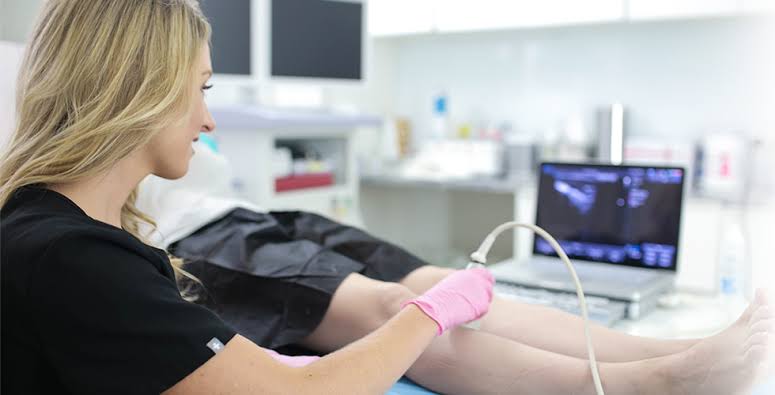
Living in New York City means being on the move. Between walking to the subway, standing during a commute, working long shifts, and navigating the city on foot, your legs put in a lot of work every day. So when aching, swelling, heaviness, cramping, or visible veins start becoming part of your routine, it can be tempting to blame it on the demands of city life. But persistent leg symptoms shouldn’t always be ignored. If you’re searching for a vein clinic in New York City, understanding what may be causing your symptoms—and knowing what to look for in a vein…
Comprehensive Care for Musculoskeletal Injuries Comprehensive spine and joint medical care is an integrated, multidisciplinary approach to diagnosing, treating, and rehabilitating acute musculoskeletal trauma. Following a car accident, traumatic forces rarely damage only a single isolated tissue. Instead, the sudden acceleration, deceleration, and rotational forces impact an entire network of spinal bones, intervertebral discs, facet joints, supportive ligaments, and deep muscle groups. When recovering from motor vehicle collisions, receiving piecemeal care from isolated providers can create diagnostic gaps and delay targeted therapy. A comprehensive model unites medical physicians, interventional pain specialists, physical therapists, and diagnostic imaging professionals under a single…
The Role of Comprehensive Cancer Patient Care Navigation Glioblastoma is a highly aggressive brain cancer. It brings unique and difficult challenges for patients and their families. They often face rapid health changes, complex medical decisions, and strong emotions. Navigating this journey, especially during the end-of-life phase, can feel overwhelming. This is where patient care navigation plays a crucial role. We believe it is essential for providing continuous support and guidance. Effective navigation helps patients and their loved ones understand their options. It also ensures they receive the right care at every stage. Our guide will explore how comprehensive care navigation…
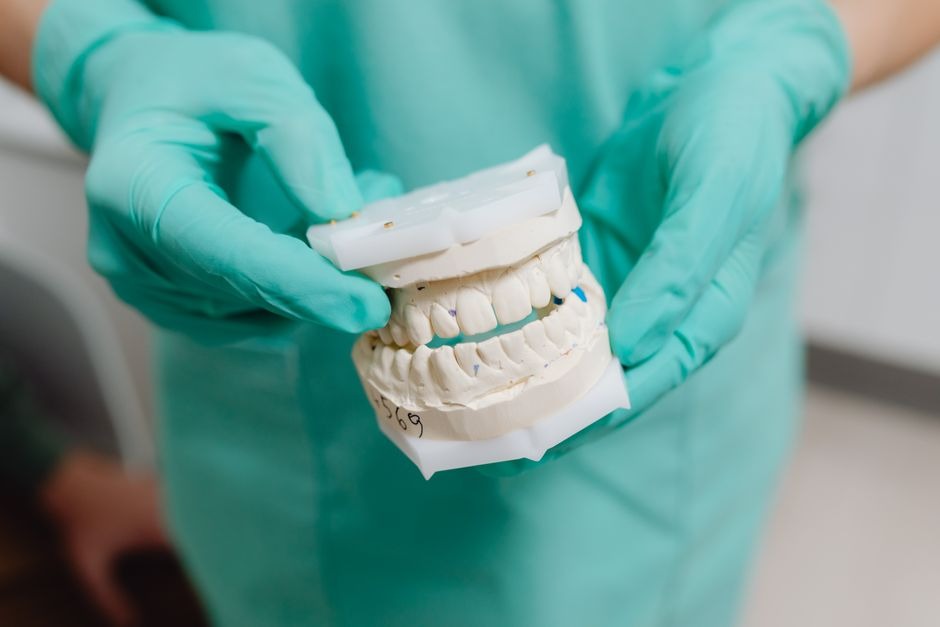
Advancements in Comprehensive Restorative and Cosmetic Dentistry A healthy, confident smile is fundamental to our overall well-being. It impacts how we eat, speak, and move through every day with ease. But what happens when dental challenges become complex, affecting multiple teeth or the entire mouth? While many dental practices focus on general and cosmetic dentistry, addressing everyday needs and aesthetic enhancements, some situations call for a more extensive strategy. This is where comprehensive restorative and cosmetic dentistry offers transformative solutions. This specialized field goes beyond simple aesthetics. It addresses widespread damage, disease, or tooth loss. The goal is to restore…
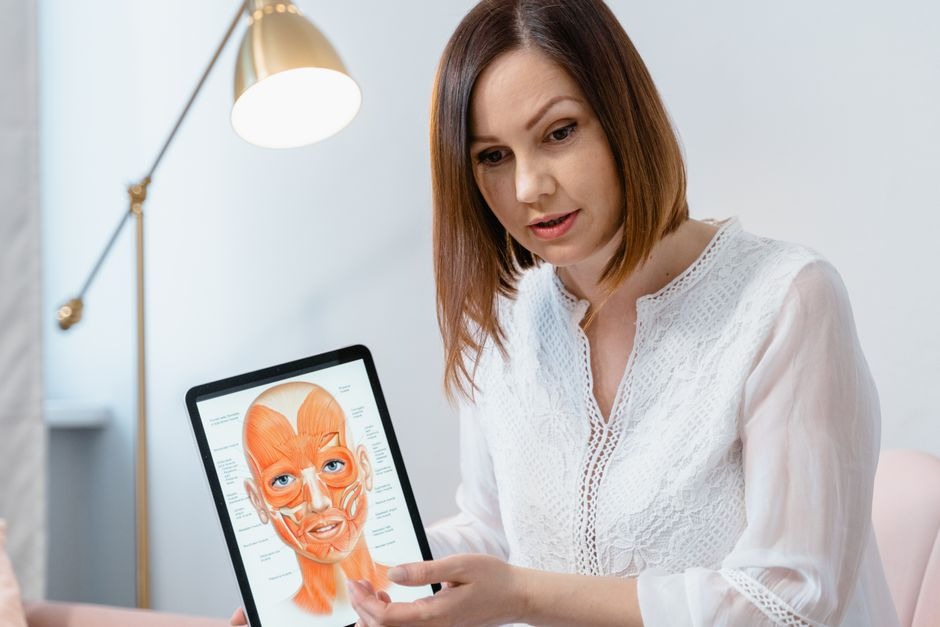
The Rise of Non-Surgical Cosmetic Injections Non-surgical cosmetic injections, particularly neuromodulators like onabotulinumtoxinA (commonly known as Botox Cosmetic), have revolutionized how we address visible signs of aging. These treatments offer a sophisticated, minimally invasive approach to facial rejuvenation, focusing on dynamic wrinkles—those lines that appear when we make facial expressions. For forehead lines, the primary target is the frontalis muscle, responsible for raising the eyebrows. By strategically relaxing this muscle, we can achieve a smoother, more youthful appearance without the need for surgery. Anatomy of Upper Facial Wrinkles The human face is a complex network of muscles, each contributing to…