Introduction
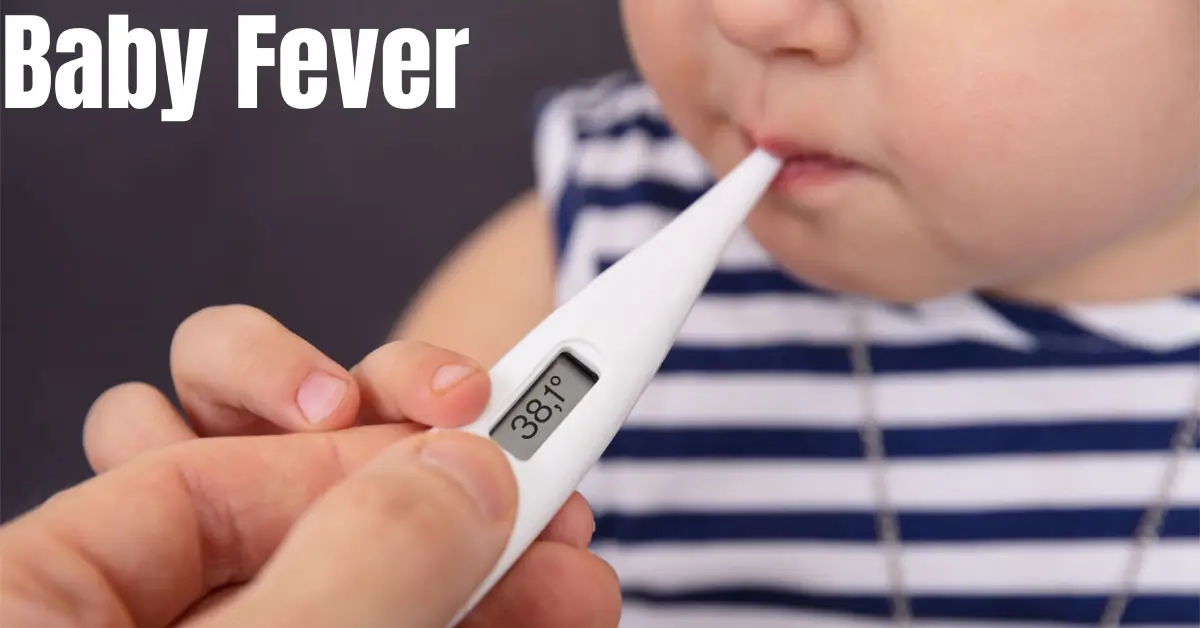
Baby fever is one of the most common reasons parents reach for the thermometer in the middle of the night. A fever in toddlers or infants can be alarming, especially when your little one feels warm, tired, or fussy. But in most cases, a fever isn’t an illness itself — it’s the body’s natural way of fighting off infections.
Toddler fever often happens when the immune system is doing its job, responding to common viruses like colds, ear infections, or even after vaccinations. Still, every parent wonders the same thing: When is a fever too high for a child? and is 101°F considered high? Understanding the difference between a mild fever and one that needs medical attention can help you stay calm and take the right action.
In this guide, you’ll learn what causes baby fever, how to treat it safely at home, and when to call your doctor. With the right knowledge, you can comfort your child and feel confident knowing when to worry — and when not to.
What Is Considered a Fever in Babies and Toddlers?
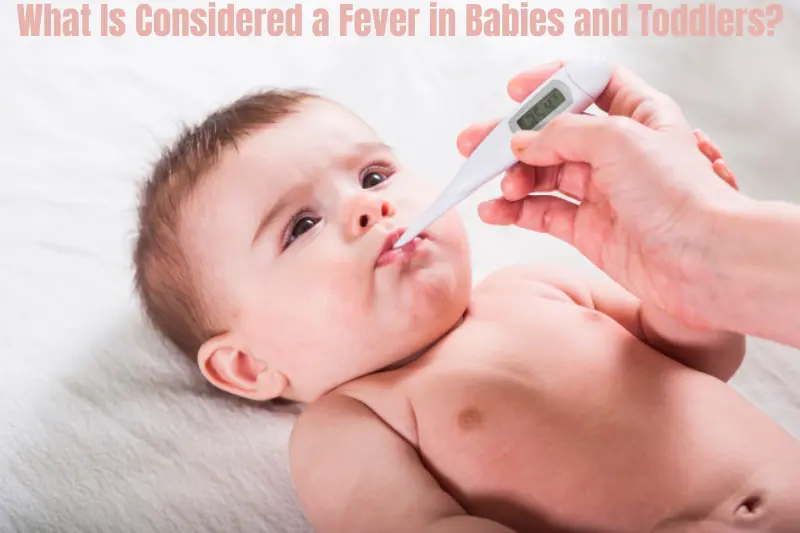
A fever in toddlers or babies is typically defined as a body temperature higher than 100.4°F (38°C) when measured with a reliable thermometer. It’s important to remember that a fever itself isn’t an illness — it’s a sign that the body’s immune system is working hard to fight off infection.
For newborns and young infants, even a small temperature increase can be significant, while toddler fever is often a normal response to viruses such as the common cold or flu.
Many parents ask, “Is 101 a high fever for a child?” The answer depends on the child’s age and overall behavior.
For infants under 3 months, any temperature of 100.4°F (38°C) or higher should be checked by a doctor.
For toddlers and older children, a fever of 101°F (38.3°C) is usually considered mild, while temperatures over 102.5°F (39.2°C) may indicate a stronger immune response.
Here’s a quick reference chart for clarity:
| Temperature (°F) | Classification | What It Means |
|---|---|---|
| 97–99°F (36–37.2°C) | Normal | Typical healthy range |
| 99–100.4°F (37.2–38°C) | Low-grade fever | Mild response, often after play or warm environment |
| 100.4–102.5°F (38–39.2°C) | Moderate fever | Common with viral infections |
| Above 102.5°F (39.2°C) | High fever | May require closer monitoring or medical advice |
Understanding what counts as a baby fever helps you react appropriately — not every warm forehead means something serious. The key is observing your child’s behavior, hydration, and comfort level alongside the thermometer reading.
Common Causes of Fever in Babies and Toddlers
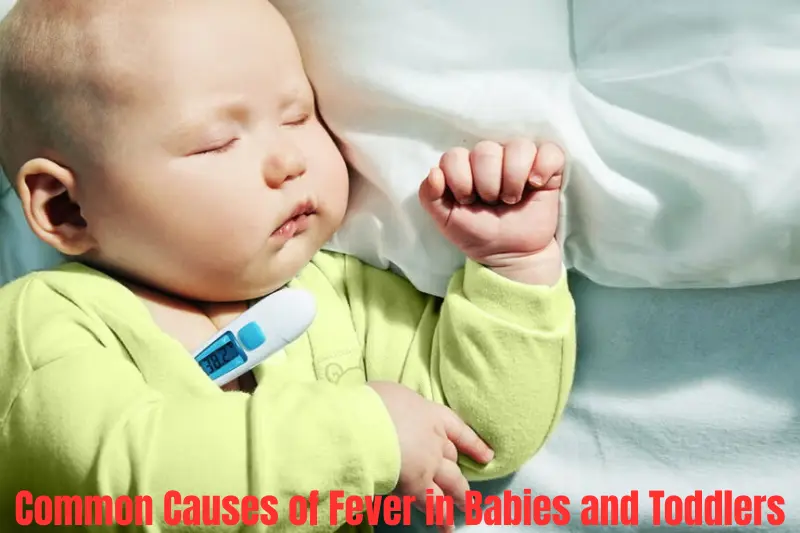
When baby fever strikes, it can seem sudden and scary — but in most cases, it’s the body’s healthy reaction to something simple and temporary. A fever in toddlers is the immune system’s way of fighting off germs and restoring balance. Understanding what causes these temperature spikes can help parents stay calm and respond appropriately.
Viral Infections
The most common cause of toddler fever is a viral infection. Colds, flu, and other respiratory viruses often trigger a mild to moderate rise in body temperature. These fevers usually come with other symptoms like runny nose, cough, or fatigue and tend to resolve within a few days without medical treatment.
Bacterial Infections
Occasionally, baby fever can result from bacterial infections such as ear infections, strep throat, or urinary tract infections. These may cause higher or more persistent fevers and often require a doctor’s evaluation and antibiotics.
Teething
Many parents notice a slight temperature increase when their baby is teething. While teething can make a child irritable and warm, it rarely causes a true fever in toddlers above 100.4°F (38°C). If your baby’s temperature is higher, another cause is likely.
Immunizations
It’s common for children to develop a low-grade baby fever within 24 hours after certain vaccinations. This is a normal response as the immune system builds protection against disease. Fevers from vaccines are generally mild and go away within a day or two.
Overheating
Sometimes, what feels like a toddler fever may simply be overheating from too many layers, warm weather, or dehydration. Always dress your baby in lightweight clothing and keep the environment cool and comfortable.
When Is a Fever Too High for a Child?
Every parent wonders at some point, “When is a fever too high for a child?” or “Is 101 a high fever for a child?” The truth is, not all fevers are cause for alarm — what matters most is your child’s age, symptoms, and behavior.
A fever in toddlers or babies is usually harmless if your child is drinking fluids, playful at times, and alert. But in certain cases, a high or persistent baby fever can signal a more serious condition that needs medical attention.
Understanding Temperature Levels
Here’s a quick guide to help you interpret fever readings safely:
| Age Group | Seek Medical Advice If… |
|---|---|
| Infants under 3 months | Any fever ≥100.4°F (38°C) should be checked immediately by a doctor. |
| Babies 3–6 months | Fever ≥102°F (38.9°C) or lasting more than 24 hours. |
| Toddlers and older children | Fever ≥103°F (39.4°C) or lasting more than 3 days, or if the child looks very unwell. |
When to Worry
You should contact your pediatrician or seek urgent care if your child:
- Is unusually sleepy, weak, or unresponsive
- Has difficulty breathing or persistent vomiting
- Cries constantly and cannot be comforted
- Shows signs of dehydration (no tears, dry mouth, fewer wet diapers)
- Develops a rash that spreads quickly
- Experiences seizures (febrile seizures can occur in young children during high fevers)
The Role of Behavior
Doctors often say that your child’s behavior matters more than the number on the thermometer.
If your little one is alert, drinking fluids, and responsive — even with a toddler fever — you can usually manage it at home. But if your instincts tell you something isn’t right, always trust them and seek help.
In short:
A baby fever or fever in toddlers becomes concerning when it’s very high, persistent, or accompanied by worrying symptoms. Knowing these thresholds helps you act quickly when needed — and avoid unnecessary panic when it’s not.
How to Treat and Comfort a Child with Fever
When your little one has a baby fever, the main goal is to keep them comfortable and hydrated while their body fights off the infection. In most cases, a fever in toddlers doesn’t need aggressive treatment — it simply needs time, care, and a watchful eye.
Keep Your Child Comfortable
Dress your child in light, breathable clothing and keep the room at a comfortable temperature. Over-bundling can trap heat and raise the fever further. If your baby feels chilled, cover them lightly with a thin blanket until they settle.
Encourage Fluids
Hydration is essential during a toddler fever because fever increases fluid loss. Offer plenty of breast milk, formula, water, or clear fluids depending on your child’s age. You can also offer electrolyte solutions if your doctor recommends them — they help replace lost salts and minerals.
Rest Is the Best Medicine
Allow your child to rest as much as they need. Sleep helps the immune system work more effectively. Quiet play or naps throughout the day can help recovery without overexertion.
Use Medication Only If Necessary
If your child is uncomfortable or in pain, you can use acetaminophen (Tylenol) or ibuprofen (Motrin) according to your pediatrician’s dosage guidelines.
- Avoid aspirin in children under 18, as it can cause Reye’s syndrome.
- Always check the label for correct dosing by weight, not just age.
If you’re unsure whether to give fever medicine, consult your healthcare provider first — especially for baby fever in infants under 6 months.
Use Lukewarm Compresses or Baths
A lukewarm bath or sponge bath can help lower body temperature gently. Avoid cold water or alcohol rubs, as these can cause shivering and make the fever worse.
Monitor Regularly
Check your child’s temperature every few hours and keep track of symptoms. If the fever in toddler persists beyond 3 days, or if new symptoms appear, it’s best to contact your pediatrician.
Parent Tip:
Fevers are the body’s way of fighting infection. You’re not trying to “cure” the fever itself — you’re helping your child stay comfortable while the immune system does its job.
When to See a Doctor Immediately
Most cases of baby fever or toddler fever are mild and resolve on their own. However, sometimes a fever can be a sign of something more serious that needs medical attention. Knowing the red flags can help you act fast and keep your child safe.
Call Your Doctor or Seek Emergency Care If:
Your infant under 3 months has a temperature of 100.4°F (38°C) or higher
- Your baby or toddler’s fever is 103°F (39.4°C) or higher
- The fever in toddler lasts more than three days or keeps coming back
- Your child appears very drowsy, limp, or unresponsive
- There are signs of dehydration, such as dry lips, sunken eyes, or fewer wet diapers
- Your child has trouble breathing, persistent vomiting, or severe diarrhea
- A rash appears suddenly or spreads quickly
- Your child experiences seizures or stiff neck
In these situations, it’s best not to wait — contact your pediatrician or visit the nearest urgent care or emergency department.
Trust Your Parental Instincts
Even if your child’s temperature isn’t extremely high, when a fever feels “too high for your child” because they seem unusually weak, irritable, or different from normal, that’s enough reason to call your doctor.
Parents often know when something feels off — and doctors appreciate that insight. Trust your instincts; it’s always better to ask and be reassured than to delay care.
What to Expect at the Doctor’s Office
Your healthcare provider will:
- Take a detailed history (temperature, duration, symptoms)
- Examine your child’s ears, throat, and chest
- Possibly order tests (urine, blood, or swabs) to find the cause of the baby fever
They’ll then recommend the best course of treatment — whether it’s continued home care or medication for an infection.
Remember: Most fevers are the body’s natural defense. But if your toddler fever or baby fever comes with worrying symptoms, early medical attention ensures your child recovers quickly and safely.
FAQs About Baby and Toddler Fever
Parents often have similar worries when it comes to baby fever or fever in toddlers — and that’s completely normal. Here are answers to some of the most common questions parents ask pediatricians.
Is 101 a high fever for a child?
A temperature of 101°F (38.3°C) is generally considered a mild fever for most children. For toddlers and older babies, this usually means their immune system is working to fight off a virus or infection.
However, for infants under 3 months, any fever of 100.4°F (38°C) or higher should be evaluated by a doctor right away.
When is a fever too high for a child?
You should contact your healthcare provider if your child’s fever reaches 103°F (39.4°C) or higher, or if the fever persists for more than three days.
A fever is also considered too high if your child appears lethargic, dehydrated, or in severe discomfort, regardless of the number on the thermometer.
How long does a baby fever usually last?
Most baby fevers last between 24 and 72 hours, depending on the cause. Viral fevers tend to fade on their own, while bacterial infections may require medical treatment. If the fever in toddler lasts longer than three days or keeps returning, it’s best to call your pediatrician.
Can teething cause fever in toddlers?
Teething can cause slight temperature increases but rarely leads to a true fever above 100.4°F (38°C). If your child’s temperature is higher than that, the cause is likely an infection or another factor.
Should I always give medicine for a fever?
Not necessarily. You only need to give medication if your child is uncomfortable, in pain, or unable to sleep. A mild toddler fever doesn’t always need to be treated — it can help the body recover naturally. Focus on hydration, rest, and comfort first.
What is the best way to take my baby’s temperature?
For the most accurate results:
Use a digital thermometer
Rectal readings are best for babies under 3 months
Ear or forehead thermometers are fine for older infants and toddlers (if used correctly)
Avoid mercury thermometers for safety reasons
Conclusion
Dealing with baby fever or toddler fever can be stressful, but most fevers are the body’s natural way of fighting infection and are not dangerous. Understanding what counts as a fever in a toddler, knowing when 101°F is high, and recognizing when a fever is too high for a child helps parents stay calm and confident.
Remember:
- Monitor your child’s behavior, hydration, and comfort, not just the thermometer.
- Mild fevers often resolve on their own with rest, fluids, and comfort measures.
- Seek medical attention if the fever is very high, persistent, or accompanied by red-flag symptoms like lethargy, dehydration, or seizures.
By staying informed and observant, you can support your child through their fever in toddler or baby stage safely and effectively. With the right knowledge, you’ll know exactly when to worry — and when to comfort.