Introduction
The baby tears plant, known for its delicate, tiny leaves and lush green carpet-like appearance, has quickly become a favorite among indoor plant enthusiasts and gardeners alike. Its charming, gentle foliage makes it an excellent choice for adding a touch of freshness and elegance to any space, from terrariums to hanging baskets. Whether you’re a beginner or a seasoned plant lover, understanding baby tears plant care is essential to keep this beautiful plant thriving. In this guide, we’ll explore everything you need to know to nurture your baby tears plant—helping you enjoy its vibrant greenery and soothing presence in your home for years to come.
What is a Baby Tears Plant?
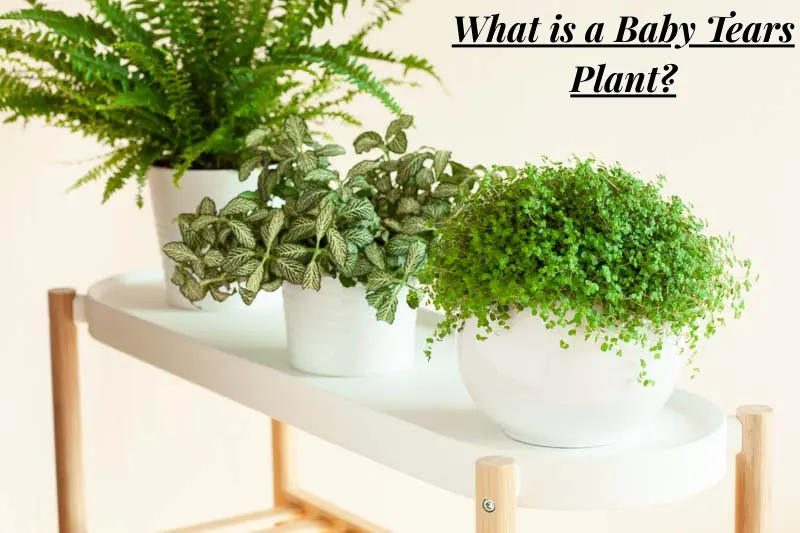
The baby tears plant, scientifically known as Soleirolia soleirolii, is a low-growing perennial herb prized for its dense mats of tiny, round leaves. Often described as looking like a lush green carpet, this plant is perfect for filling small spaces or creating beautiful ground covers in terrariums and indoor gardens.
A close relative often confused with baby tears is the pilea baby tears (Pilea depressa), which has a similar appearance but slightly different care needs and growth habits. Both plants are loved for their delicate textures and vibrant green hues, making them popular choices for adding life and softness to indoor environments.
How to Care for Your Baby Tears Plant
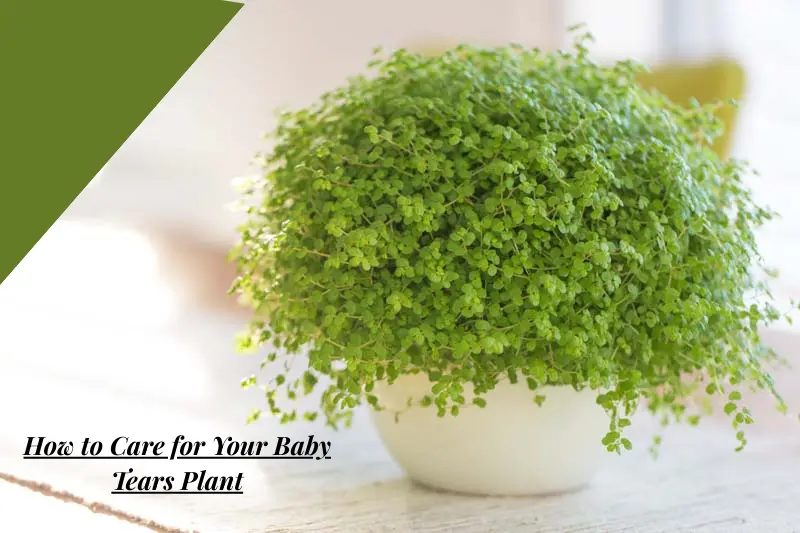
Caring for your baby tears plant is straightforward once you understand its needs. Follow these tips to keep your plant healthy and thriving:
Light Requirements
Baby tears plants prefer bright, indirect light. Direct sunlight can scorch their tiny leaves, so placing them near a window with filtered light or in a well-lit room is ideal. If grown indoors, avoid harsh midday sun.
Watering Needs
These plants thrive in consistently moist soil but are sensitive to overwatering. Water your baby tears plant regularly to keep the soil evenly damp, but avoid waterlogging, which can lead to root rot. Check the top inch of soil—if it feels dry, it’s time to water.
Humidity and Temperature
Baby tears love humidity and cooler temperatures, ideally between 60°F and 75°F (15°C – 24°C). To mimic their natural moist environment, mist the leaves occasionally or place a humidity tray nearby. Avoid placing them near drafts or heating vents.
Soil Type
Use a well-draining, peat-based potting mix that retains moisture without becoming soggy. Adding perlite or sand can improve drainage, helping prevent root problems.
Fertilizing Tips
Feed your baby tears plant with a balanced, water-soluble fertilizer diluted to half strength every 4-6 weeks during the growing season (spring and summer). Avoid over-fertilizing, as this can damage the delicate leaves.
Common Problems and How to Fix Them
While baby tears plants are relatively easy to care for, they can sometimes face issues that affect their health and appearance. Here are some common problems and how to address them:
Yellowing Leaves
Yellow leaves often indicate overwatering or poor drainage. Make sure your plant’s soil is moist but not soggy, and check that your pot has drainage holes. Reduce watering frequency and let the soil dry slightly between watering sessions.
Wilting or Drooping
Wilting can be caused by underwatering or too much direct sunlight. If the soil feels dry, water the plant immediately. Also, ensure your plant isn’t exposed to harsh sunlight that may scorch its leaves.
Root Rot
This is a serious issue caused by waterlogged soil. If you notice a foul smell or mushy roots, repot your plant in fresh, well-draining soil and cut away any damaged roots. Adjust your watering routine to prevent recurrence.
Pests
Baby tears plants can occasionally attract pests like aphids, spider mites, or mealybugs. Check your plant regularly for signs of infestation, such as webbing or sticky residue. Treat pests with insecticidal soap or neem oil as soon as you notice them.
Propagation Techniques for Baby Tears Plant
Propagating baby tears plants is a simple and rewarding process, allowing you to expand your greenery or share with friends.
Propagation by Division
The easiest way to propagate baby tears is through division. Gently separate a healthy clump of the plant from the main pot, making sure to keep the roots intact. Plant the division in fresh, moist soil and keep it in a shaded, humid environment until it establishes.
Propagation by Cuttings
You can also propagate baby tears by stem cuttings. Take a small section of the plant with several leaves, and place it on moist soil or in water until roots develop. Once rooted, transplant the cutting into a pot with well-draining soil.
Special Note on Pilea Baby Tears
If you have pilea baby tears (Pilea depressa), the propagation methods are similar. However, pilea cuttings often root faster in water, making it a popular method for this variety.
Creative Uses and Placement Ideas for Baby Tears Plant
The versatile and charming baby tears plant can brighten up many spaces in your home or garden. Here are some creative ways to display it:
Terrariums and Glass Containers
Baby tears thrive in the humid environment of terrariums, where their delicate foliage creates a soft, lush carpet. Use them as ground cover alongside mosses and small ferns for a mini indoor garden.
Hanging Baskets and Planters
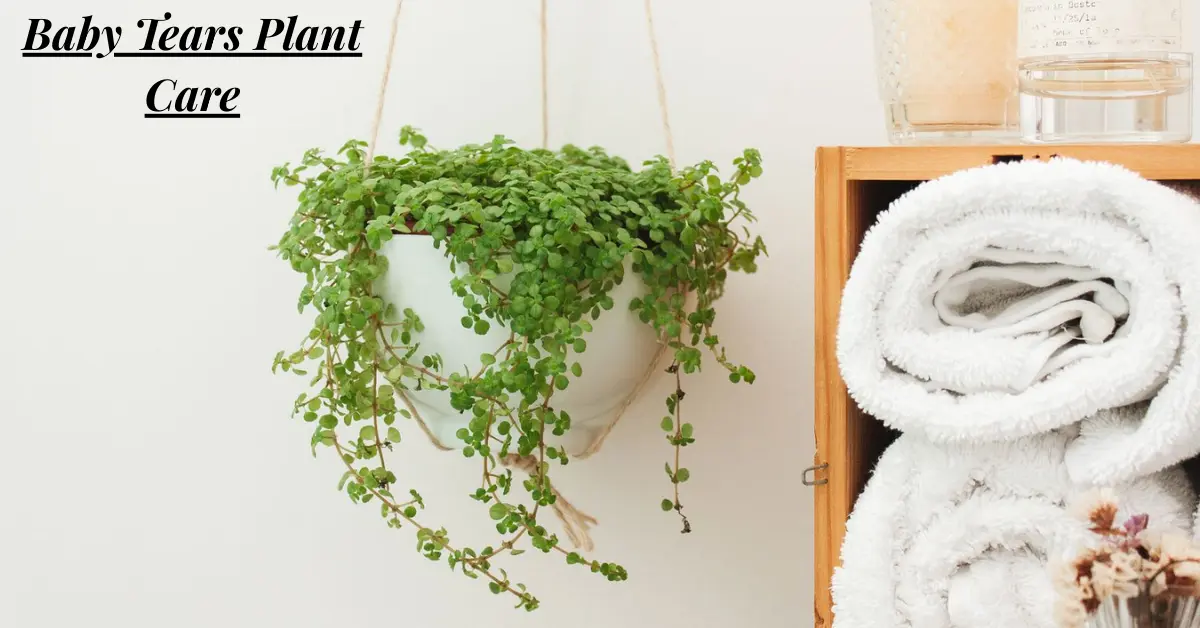
Due to their trailing nature, baby tears look stunning cascading over the edges of hanging baskets or elevated planters, adding a fresh, green touch to your space.
Ground Cover in Indoor Gardens
Their dense growth makes baby tears ideal as a green carpet in indoor or shaded garden areas. They work well under larger houseplants or alongside succulents in mixed arrangements.
Tabletop or Shelf Decor
Place baby tears in small pots on shelves, desks, or tables to bring a natural, calming vibe to your living or workspace.
FAQs About Baby Tears Plant Care
Q: How fast does a baby tears plant grow?
A: Baby tears plants grow relatively quickly under optimal conditions, often spreading to fill pots or terrariums within a few months.
Q: Can baby tears survive indoors?
A: Yes! Baby tears thrive indoors as long as they receive bright, indirect light and consistent moisture.
Q: What’s the difference between baby tears and pilea baby tears?
A: While both have similar appearances, Soleirolia soleirolii (baby tears) typically forms dense mats, whereas Pilea depressa (pilea baby tears) has slightly larger, rounder leaves and often trails more prominently.
Conclusion
Taking care of a baby tears plant is a rewarding experience that brings natural beauty and tranquility into your home. By following simple care steps—like providing indirect light, consistent moisture, and proper humidity—you can enjoy the vibrant green charm of your baby tears for years. Whether you’re looking to propagate new plants or create stunning displays, this delicate plant is a versatile and lovely addition to any plant collection. Ready to start your baby tears plant journey? Give it a try and watch your indoor garden flourish!