
Introduction
In today’s fast-paced, achievement-driven world, grades are often treated as the ultimate measure of a student’s worth. Report cards, test scores, and GPA dominate conversations about education and future success. But behind every number and letter grade is a young person with emotions, ambitions, and vulnerabilities. Increasingly, research shows that the relentless focus on academic performance is taking a toll on students’ mental health. Stress, anxiety, burnout, and low self-esteem are becoming common experiences, even among high achievers.
Understanding the link between grades and mental health is more important than ever. By looking beyond scores and recognizing the emotional well-being of students, parents and educators can help nurture not only better learners but healthier, happier individuals prepared for life beyond the classroom.
The Connection Between Grades and Mental Health
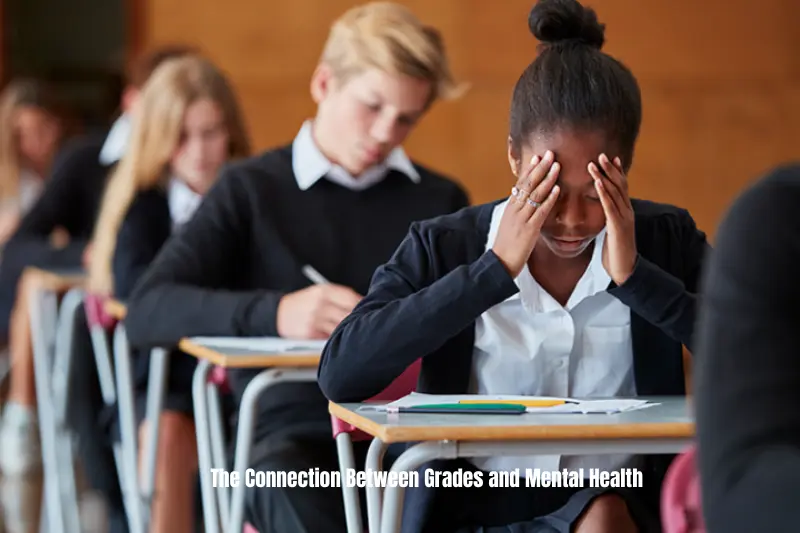
Grades are meant to measure how well students understand material, but for many young people they become much more than that — a reflection of self-worth, intelligence, and even future potential. This heavy weight can directly affect mental health.
When students receive high grades, they may feel proud and motivated to keep succeeding. But this can also create pressure to maintain perfection, leading to stress and fear of failure. On the other hand, low grades often trigger shame, self-doubt, or the belief that they’re “not good enough,” which can chip away at confidence over time.
Research consistently shows a strong link between academic pressure and issues like:
- Anxiety and stress from fear of underperforming.
- Burnout caused by long hours of studying without proper rest.
- Sleep problems and exhaustion that harm focus and mood.
- Depression and low self-esteem tied to constant comparison with peers.
While grades can motivate learning, they become harmful when they’re treated as the only measure of success. This imbalance creates a cycle where mental health struggles hurt performance, which then leads to even more stress.
Breaking this cycle starts with recognizing that students are more than their report cards. Academic success and mental well-being can coexist — but only when schools, parents, and students value both equally.
Common Mental Health Challenges Students Face
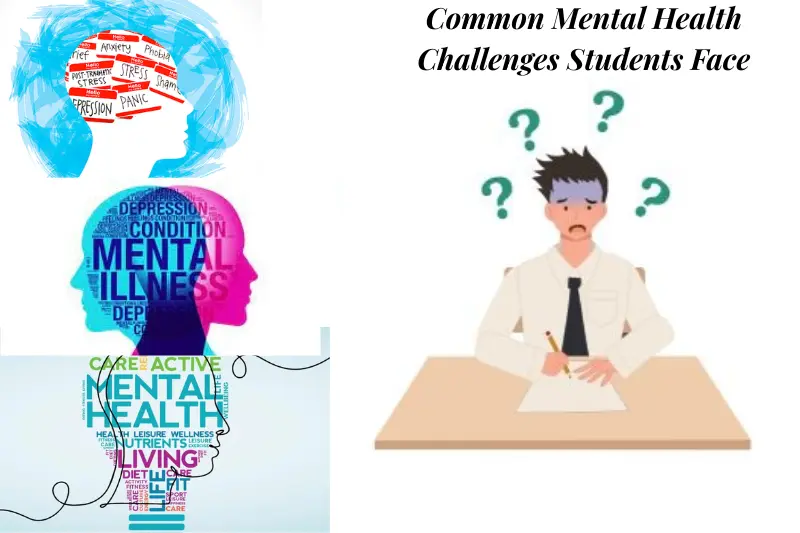
Academic life today is far more demanding than it was even a decade ago. Between tests, projects, extracurriculars, and social pressures, students often find themselves juggling multiple stressors. When grades become the main measure of success, these pressures can lead to significant mental health challenges. Some of the most common include:
- Academic Stress & Test Anxiety
Fear of poor performance, upcoming exams, or disappointing parents can trigger high stress and physical symptoms like headaches, stomach aches, or rapid heartbeat. - Burnout
Constant studying without adequate breaks or sleep can lead to exhaustion, loss of motivation, and even feelings of hopelessness. - Low Self-Esteem & Self-Worth Issues
Students who tie their value to grades may feel “less than” when they don’t achieve top marks, which can harm their confidence and relationships. - Sleep Problems
Late-night study sessions or constant worry about schoolwork often disrupt healthy sleep patterns, making concentration and mood worse. - Depression & Anxiety
Prolonged academic stress can contribute to persistent sadness, irritability, or overwhelming anxiety — all of which may require professional help.
These challenges are not just “part of being a student.” Left unaddressed, they can impact learning, relationships, and long-term well-being. Recognizing these warning signs early allows parents, teachers, and students to take action before mental health suffers further.
Role of Parents and Educators
Parents and teachers play a huge part in shaping how students view grades — and, by extension, how they experience mental health. While high expectations can motivate, unrealistic or harsh expectations often increase stress and harm a student’s confidence. Supportive adults can make the difference between healthy ambition and harmful pressure.
How Parents Can Help
- Focus on effort, not just results. Praise improvement, persistence, and problem-solving skills instead of only high marks.
- Model balance. Show that relaxation, hobbies, and family time are as valuable as academics.
- Keep communication open. Encourage children to talk about school struggles without fear of judgment or punishment.
- Watch for warning signs. Changes in sleep, appetite, or mood can indicate stress or burnout.
How Educators Can Help
- Create a positive classroom environment. Foster collaboration and growth rather than unhealthy competition.
- Offer mental health resources. School counselors, peer-support programs, and wellness workshops can make a big difference.
- Provide constructive feedback. Frame mistakes as opportunities to learn, not as proof of failure.
- Advocate for balanced workloads. Work with other teachers to avoid overwhelming students with overlapping deadlines.
When parents and educators work together to support students holistically, grades become one piece of a larger picture — a tool for growth rather than a source of fear. This cooperative approach helps students develop resilience, self-worth, and a healthier relationship with learning.
Strategies for Students to Balance Grades and Mental Health
While academic success is important, it should never come at the cost of emotional well-being. Students can take proactive steps to manage their workload, protect their mental health, and still perform well in school. Here are some effective strategies:
Plan Ahead and Manage Time Wisely
Break big projects or exam prep into smaller steps. Use planners, apps, or calendars to schedule study sessions and free time. This prevents last-minute cramming and reduces stress.
Prioritize Sleep and Self-Care
A well-rested brain learns and remembers better. Aim for 7–9 hours of sleep, eat nutritious meals, and incorporate exercise or outdoor time to recharge your body and mind.
Set Realistic Goals
Focus on progress, not perfection. Setting small, achievable goals can build confidence and keep motivation high.
Use Healthy Study Habits
Take regular breaks (like the 50/10 rule — 50 minutes of study, 10 minutes of rest), change study locations to stay fresh, and review material regularly instead of cramming.
Practice Stress-Relief Techniques
Meditation, deep breathing, journaling, or even short walks can help calm the nervous system and improve focus before exams or assignments.
Maintain a Support System
Talk to friends, family, teachers, or school counselors when overwhelmed. Asking for help isn’t a sign of weakness; it’s a smart way to handle stress.
Keep Perspective
Remember that grades are just one measure of success. Skills, character, and experiences outside of academics also shape your future.
By developing these habits early, students can learn to excel academically without sacrificing their mental health. Balance is a skill — and like any skill, it gets stronger with practice.
Redefining Success Beyond Grades
Grades are an important tool for measuring academic progress, but they don’t tell the whole story. A test score can’t capture creativity, kindness, resilience, or problem-solving — all of which are critical for success in life. When students, parents, and educators begin to see grades as just one part of a much bigger picture, the pressure eases and true growth becomes possible.
Success in the real world is multidimensional. Employers and universities increasingly value skills like teamwork, communication, adaptability, and emotional intelligence. These qualities often develop outside of the classroom — in sports, volunteer work, hobbies, leadership roles, and overcoming personal challenges.
Ways to Expand the Definition of Success:
- Celebrate strengths that aren’t graded, like empathy, creativity, or leadership.
- Encourage students to explore interests beyond academics to build confidence and discover passions.
- Promote a “growth mindset” where mistakes and setbacks are seen as opportunities to learn rather than failures.
- Highlight stories of people who achieved meaningful success through persistence, innovation, or nontraditional paths.
By redefining success beyond grades, we teach students that their worth isn’t tied to a letter or number. This mindset not only protects mental health but also nurtures more well-rounded, motivated individuals ready for life’s challenges.
Conclusion
Grades can open doors, but they should never close off well-being. The connection between grades and mental health is real and powerful — when students feel pressured to perform at any cost, their emotional and physical health often suffers. Yet, with balanced expectations, healthy habits, and supportive adults, students can achieve academic success without sacrificing their happiness or self-worth.
Parents and educators have a unique opportunity to shift the narrative. By valuing progress over perfection and redefining success to include skills, passions, and resilience, we can help students grow into not only high achievers but also confident, emotionally healthy individuals prepared for the real world.
In the end, a balanced approach to grades doesn’t just improve report cards — it shapes stronger, more fulfilled human beings.